
Food prices set to rise in 2026: report
Advertisement
Read this article for free:
or
Already have an account? Log in here »
We need your support!
Local journalism needs your support!
As we navigate through unprecedented times, our journalists are working harder than ever to bring you the latest local updates to keep you safe and informed.
Now, more than ever, we need your support.
Starting at $15.99 plus taxes every four weeks you can access your Brandon Sun online and full access to all content as it appears on our website.
Subscribe Nowor call circulation directly at (204) 727-0527.
Your pledge helps to ensure we provide the news that matters most to your community!
To continue reading, please subscribe:
Add Brandon Sun access to your Free Press subscription for only an additional
$1 for the first 4 weeks*
*Your next subscription payment will increase by $1.00 and you will be charged $20.00 plus GST for four weeks. After four weeks, your payment will increase to $24.00 plus GST every four weeks.
Read unlimited articles for free today:
or
Already have an account? Log in here »
A soup kitchen, food bank and women’s centre in Brandon worry more people will be facing food insecurity next year after a national report predicts overall food prices will increase by four to six per cent.
Canada’s 2026 Food Price Report, released Thursday, estimates the average family of four will spend up to $17,571.79 on food — an increase of $994.63 from this year.
“It’s hard to see that things are going to be even more expensive because people are already struggling,” said Angela Braun, executive director of the Helping Hands Centre of Brandon Inc. soup kitchen.
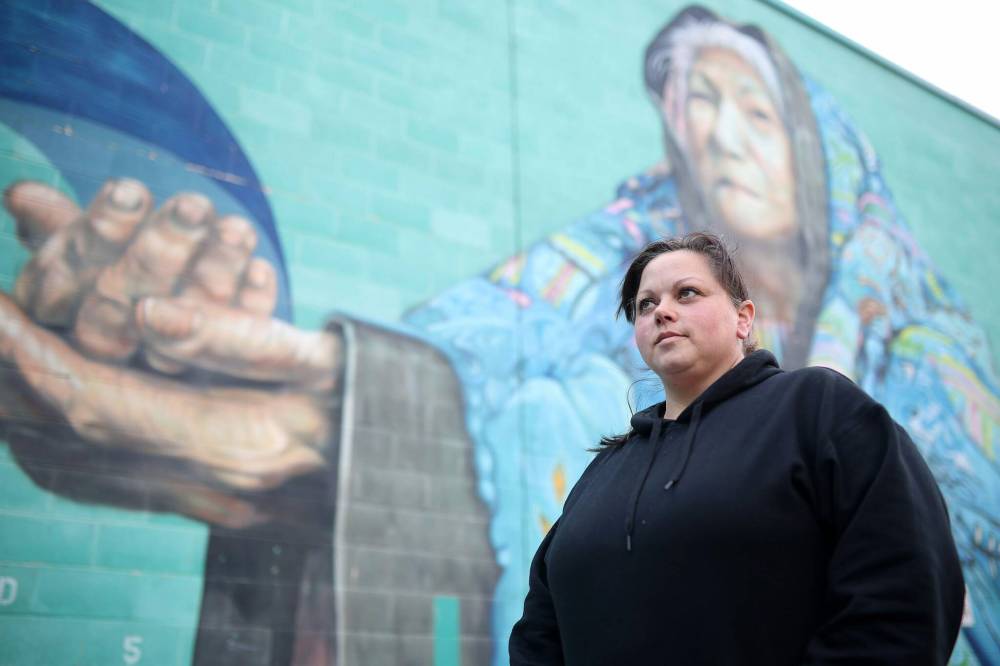
Angela Braun, executive director of Helping Hands Centre of Brandon Inc., stands outside the local soup kitchen on Friday. The centre has served more than 51,000 meals this year, up from 46,000 in 2024, Braun said. (Photos by Tim Smith/The Brandon Sun)
Food prices are impacted by multiple factors, including climate change, Canada and U.S. trade relations, consumer behaviours and changes in retail business models, according to the 39-page report, produced by several universities, including Dalhousie University.
Between 180 and 240 community members access a meal each day at the Brandon soup kitchen, which has served more than 51,000 meals this year, up from 46,000 in 2024, Braun said.
Most people who come to the centre during the week are desperate for food to take home such as bread, margarine, milk, a jar of peanut butter for sandwiches and school snacks for kids, but the centre doesn’t always have extra food to hand out, Braun told the Sun.
The majority of people Helping Hands serves range in age from 35 to 60 years old, she said. They see a lot of newcomers, students, families and seniors whose pensions aren’t enough to support them.
After the lunch meal on Friday, three women sat at a table bagging about 85 to 100 sandwiches that will be sent to the 7th Street Health Access Centre to help people in need over the weekend.
Braun and Heather Symbalisty, who is the executive director for Samaritan House Ministries Inc., fear an increase in food prices might result in less donations because more people are being careful with their spending.
“Our financial donations and our physical donations of non-perishable food items and frozen meats, like hams and turkeys, have decreased substantially,” Symbalisty said.
“It’s surprising how fast we are going through them and how much we’re handing out.”
The national report estimates meat will see the highest inflation rate compared to other foods, showing a price hike of 7.2 per cent.
High retail prices for beef have led people to buy chicken as a more affordable option, but chicken prices are set to increase substantially in 2026 due to underproduction, the report said.
Symbalisty is concerned the food bank won’t have enough frozen meat to give families so they can have a holiday meal.
Increased food costs are projected in other food categories, including vegetables (three to five per cent) dairy, eggs and baked goods (two to four per cent), fruit (one to three per cent) and seafood (up to two per cent).
Manitoba is expected to fall below the national average in 2026 after seeing above or average food prices in 2025, the report said.
Samaritan House delivered more than 18,000 food hampers from January to November, with 1,900 hampers delivered in November alone, Symbalisty said.
The food hampers include rice or pasta, cans of vegetables, cereal, bread, snacks, formula, diapers, milk, frozen meat and fresh produce from partnering grocers.
The food bank serves more than 3,300 households per month in the Brandon area and saw 82 new families visit the food bank last month, she said.

Volunteer Fatima Momoh stacks chairs after lunch was served at the Helping Hands soup kitchen on Friday.
Brandon has a population of more than 54,000 people, according to the 2021 census, but the city estimates a recent spike in immigration brings the total population closer to 58,000.
“That’s showing that there’s a steady flow of individuals coming, whether it’s once or twice, to get help,” Symbalisty said.
“It’s just everybody from all economic levels who are finding it extremely hard to make their dollar stretch from week to week. So, it’s going to be heartbreaking these next few months.”
Food costs are 27 per cent higher as compared to five years ago and consumers are feeling the strain as they shop for groceries, according to the report.
The Western Manitoba Women’s Resource Centre provides breakfast programming for about 10 women each day, said Megan Prince, who operates the program.
She’s seen a noticeable jump in food prices since she began working there in October last year.
“When I first started, it was like $13 for a can of coffee, but now it’s $20,” Prince said.
“That’s a big difference, and that really, like, cuts into the food that I could buy for these women for the program.”
Prince said she spends $200 per week on groceries for the breakfast program and she’s been having to dip into next week’s budget just to cover the costs.
A growing number of women are telling her they don’t have enough money to buy milk, she said.
“There’s already a lot of people that are struggling just to make ends meet. So, it’s scary to hear that the food prices are still rising,” Prince said.
Families Minister Nahanni Fontaine told the Sun on Friday that food banks are seeing a surge in demand across Canada and that the province is supporting families in need through initiatives like the universal school nutrition program, which provides at least one meal per day in 632 schools in Manitoba.
» tadamski@brandonsun.com