
PC MLAs unimpressed with report on media support
Advertisement
Read this article for free:
or
Already have an account? Log in here »
We need your support!
Local journalism needs your support!
As we navigate through unprecedented times, our journalists are working harder than ever to bring you the latest local updates to keep you safe and informed.
Now, more than ever, we need your support.
Starting at $15.99 plus taxes every four weeks you can access your Brandon Sun online and full access to all content as it appears on our website.
Subscribe Nowor call circulation directly at (204) 727-0527.
Your pledge helps to ensure we provide the news that matters most to your community!
To continue reading, please subscribe:
Add Brandon Sun access to your Free Press subscription for only an additional
$1 for the first 4 weeks*
*Your next subscription payment will increase by $1.00 and you will be charged $20.00 plus GST for four weeks. After four weeks, your payment will increase to $24.00 plus GST every four weeks.
Read unlimited articles for free today:
or
Already have an account? Log in here »
The recommendations of a recent all-party report on how to support Manitoba’s news media don’t go far enough, says a member of the committee that was tasked with drafting it.
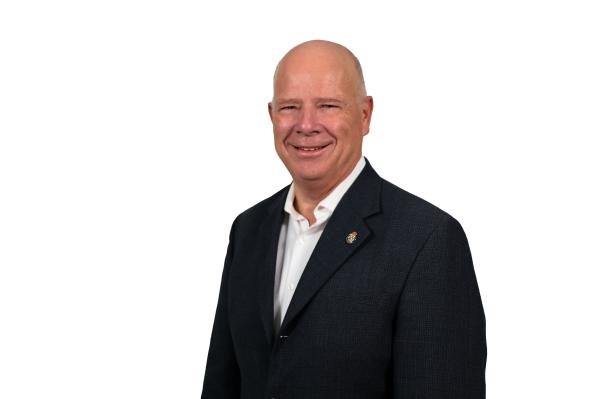
MLA Greg Nesbitt says he and fellow Progressive Conservative MLA Konrad Narth weren’t given a proper chance to provide input, and they want their names taken off the report.
“It wasn’t an all-party report, and that’s why we asked to have our names removed,” Nesbitt said.
The report, released on Dec. 19, included recommendations that the government spend 25 per cent of its advertising on local media, explore options to offer support through tax credits and develop a reporting mechanism for advertising spending, which would allow outlets to see where advertising money is being spent.
The PC MLAs were excluded from giving input when the report was written, Nesbitt (Riding Mountain) said in an interview on Sunday. The exclusion is why he wants his and Narth’s names excluded.
“We just expected a chance to voice our opinion, (to) have some comment from the other side. Let’s talk about it. Let’s come up with an all-party report,” said Nesbitt, a former newspaper publisher in the Riding Mountain area.
He said the six-member committee, made up of four NDP MLAs and the two PC members, had good discussions during public meetings in Brandon, Winnipeg, Thompson and Winkler about local journalism.
The problem arose afterward, as a meeting initially planned for the members to get together never happened, and the report was written without PC input, Nesbitt said in an interview on Sunday.
Committee chair and NDP MLA Robert Loiselle said PC MLAs were included throughout the process, including after the public meetings concluded.
“PC MLAs were shown the report before publication and given the opportunity to provide feedback,” Loiselle (St. Boniface) said in a statement on Sunday.
The 25 per cent advertising recommendation aligns with provinces like Ontario, Loiselle said, and “establishes a clear benchmark to support local journalism.”
He also said the PCs are “choosing to play partisan games,” and that the NDP is working to support local journalism.
Nesbitt also said the report’s published recommendation of 25 per cent of government advertising — which includes Crown corporations like Manitoba Hydro — going to local media sources isn’t high enough, and he would have asked for more than 50 per cent.
“As far as I’m concerned, 25 per cent is not enough, that’s saying the government can spend 75 per cent of all their advertising dollars outside of Manitoba,” Nesbitt said.
“The premier (Wab Kinew) stressed buy local — he had a buy local campaign. Spending 75 per cent of the advertising outside of Manitoba is not buying locally.”
Money going to sources away from home doesn’t help the province’s GDP, he said. More money being spent locally would also mean more jobs and “make businesses more viable,” Nesbitt added.
Nesbitt said if conversations with the PCs would have happened, he and Narth (La Vérendrye) would have “stressed” that media outside of Winnipeg needed to be assured of support as well.
He said he worries that government spending would be “very top-heavy in Winnipeg,” and would like to see a certain percentage for rural outlets in the report.
The report’s recommendation says “the Manitoba government should ensure that rural outlets and cultural communities are represented” in its 25 per cent benchmark, but it doesn’t give an exact figure on how much representation they would receive.
It’s hard to say what else could have been added to the document released on Dec. 19, as conversations between both parties would have been able to provide more balanced ideas, Nesbitt said.
Information on what the government currently spends on advertising wasn’t shared, he added, and that information would have also proved useful for additional recommendations.
Nesbitt also stressed the importance of having local media.
“Manitobans need access to information to know what the government’s doing, what programs they can apply for, what grants they can apply for, what’s happening in healthcare, things like that,” he said.
“We’ve lost a lot of media in Manitoba, and we’re going to continue to lose more unless the government comes to the conclusion that Manitoba media is worth putting their message in.”
» alambert@brandonsun.com