
Survey highlights retirement concerns
Advertisement
Read this article for free:
or
Already have an account? Log in here »
We need your support!
Local journalism needs your support!
As we navigate through unprecedented times, our journalists are working harder than ever to bring you the latest local updates to keep you safe and informed.
Now, more than ever, we need your support.
Starting at $15.99 plus taxes every four weeks you can access your Brandon Sun online and full access to all content as it appears on our website.
Subscribe Nowor call circulation directly at (204) 727-0527.
Your pledge helps to ensure we provide the news that matters most to your community!
To continue reading, please subscribe:
Add Brandon Sun access to your Free Press subscription for only an additional
$1 for the first 4 weeks*
*Your next subscription payment will increase by $1.00 and you will be charged $20.00 plus GST for four weeks. After four weeks, your payment will increase to $24.00 plus GST every four weeks.
Read unlimited articles for free today:
or
Already have an account? Log in here »
Residents across Manitoba and Saskatchewan need to start retirement planning earlier, review their savings strategies and seek professional advice, a BMO Private Wealth official told the Sun.
The bank’s senior private banker, Anthony Maros, who is based in Winnipeg, said a new BMO retirement survey found many Canadians believe their “golden years” may be becoming harder to achieve.
The survey found that two-thirds of Canadians — 67 per cent — believe saving for retirement is more difficult for them than it was for their parents. It also found 77 per cent worry that retirement will be even harder for the next generation. At the same time, nearly half said they plan to financially support their adult children, even if it negatively affects their own retirement plans.
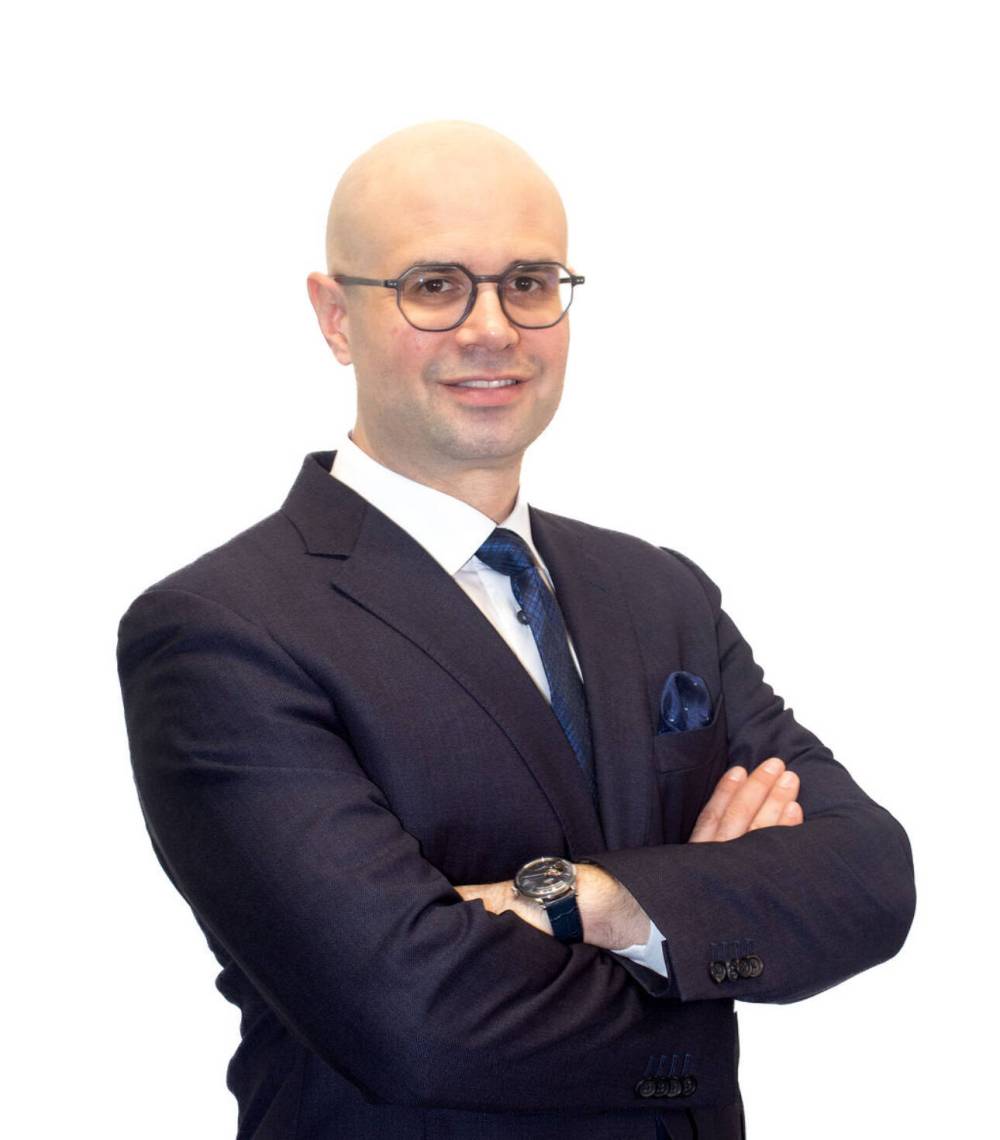
BMO Private Wealth senior private banker Anthony Maros says while investment opportunities are broadly similar across the country, residents in Manitoba and Saskatchewan may need to focus more on starting early and contributing consistently to retirement savings plans. (Supplied)
Maros said the concerns raised in the survey are reflected in the Prairie provinces, where rising living costs, housing pressures and economic uncertainty are reshaping how people approach retirement savings.
He said that while investment opportunities are broadly similar across the country, residents in Manitoba and Saskatchewan may need to focus more on starting early and contributing consistently to retirement savings plans.
“I would say that people mentioning that saving for retirement is harder is impacted by many factors in our economy,” Maros said. “For those in Manitoba and Saskatchewan, contributing earlier to retirement funds helps make up for what people perceive as a harder gap when it comes to saving.”
He said tools such as Registered Retirement Savings Plans (RRSPs), Tax-Free Savings Accounts (TFSAs) and First Home Savings Accounts can help individuals build long-term savings, especially when contributions begin early and are made regularly.
Maros said that retirement planning challenges are especially relevant for newcomers and mid-career workers who may only begin saving in their 40s or later, a growing demographic in Manitoba.
“It’s never too late,” he said. “But expectations need to be managed, and that’s where financial planning becomes more important. Understanding where you are today and what retirement may realistically look like in five or 10 years is key.”
He said mature savers often benefit most from sitting down with a financial planner to assess income, assets brought from other countries, and long-term goals.
For families, he said, education and open conversations about money can also play a major role in improving financial outcomes for the next generation.
“Families that have open conversations and are educational around finances tend to have more informed plans and better outcomes,” Maros said.
Maros said some Prairie households are turning to credit to manage day-to-day expenses — a trend that can undermine retirement savings if left unchecked.
“If you’re borrowing more than you’re saving, or spending more than you’re earning, that’s when you need to reassess,” Maros said.
He said lines of credit and credit cards are typically intended for short-term use.
Residents should review workplace retirement benefits as well, including employer matching programs that can significantly boost savings, he said.
“Sometimes people don’t realize that if they contribute a certain percentage, their employer will match it. That’s an easy way to increase retirement savings,” he said.
Maros said retirement investing does not always require large contributions at once.
“People think they need to put away hundreds or thousands of dollars, but even smaller amounts, like $50 per paycheque, can grow over time through compounding,” he said.
The survey and industry observations also point to a growing trend toward more holistic financial planning, including co-ordination between financial advisers, accountants and legal professionals.
Maros said this approach could benefit Manitoba clients in particular by simplifying complex decisions and ensuring retirement, tax and estate planning strategies work together.
In communities like Brandon, he said, residents can benefit from combining strong local relationships with the broader expertise and resources available through national organizations.
“Brandon punches well above its weight class when it comes to wealth,” he said. “Leveraging both local knowledge and national expertise can help clients make more informed decisions.”
The survey was conducted by Pollara Strategic Insights with an online sample of 1,500 adult Canadians between Nov. 4 and Nov. 10, 2025. Results from a random sample of this size can be considered accurate to within plus or minus 2.5 per cent, 19 times out of 20. Results have been weighted by gender, age and region, using the most recent census data, to be representative of the Canadian population.
» aodutola@brandonsun.com
» X: @AbiolaOdutola