
First Nation blasts boat decision
Advertisement
Read this article for free:
or
Already have an account? Log in here »
We need your support!
Local journalism needs your support!
As we navigate through unprecedented times, our journalists are working harder than ever to bring you the latest local updates to keep you safe and informed.
Now, more than ever, we need your support.
Starting at $15.99 plus taxes every four weeks you can access your Brandon Sun online and full access to all content as it appears on our website.
Subscribe Nowor call circulation directly at (204) 727-0527.
Your pledge helps to ensure we provide the news that matters most to your community!
To continue reading, please subscribe:
Add Brandon Sun access to your Free Press subscription for only an additional
$1 for the first 4 weeks*
- Enjoy unlimited reading on brandonsun.com
- Read the Brandon Sun E-Edition, our digital replica newspaper
*Your next Free Press subscription payment will increase by $1.00 and you will be charged $20.95 plus GST for four weeks. After four weeks, your payment will increase to $24.95 plus GST every four weeks.
Read unlimited articles for free today:
or
Already have an account? Log in here »
The chief of Keeseekoowenin Ojibway First Nation issued a statement this week saying he did not consent to the return of motorboats at Clear Lake.
Chief Dwayne Sonny Blackbird, responding Wednesday to Parks Canada’s boat policy announcement earlier in the day, said the decision did not reflect a collaborative or mutually supported outcome, even though engagement sessions took place.
“Our people have a sacred responsibility to protect these waters,” Blackbird said in a public letter. “Engagement without consent is not partnership, it is process without authority. We will not allow our rights to be interpreted as agreement where none has been given.”
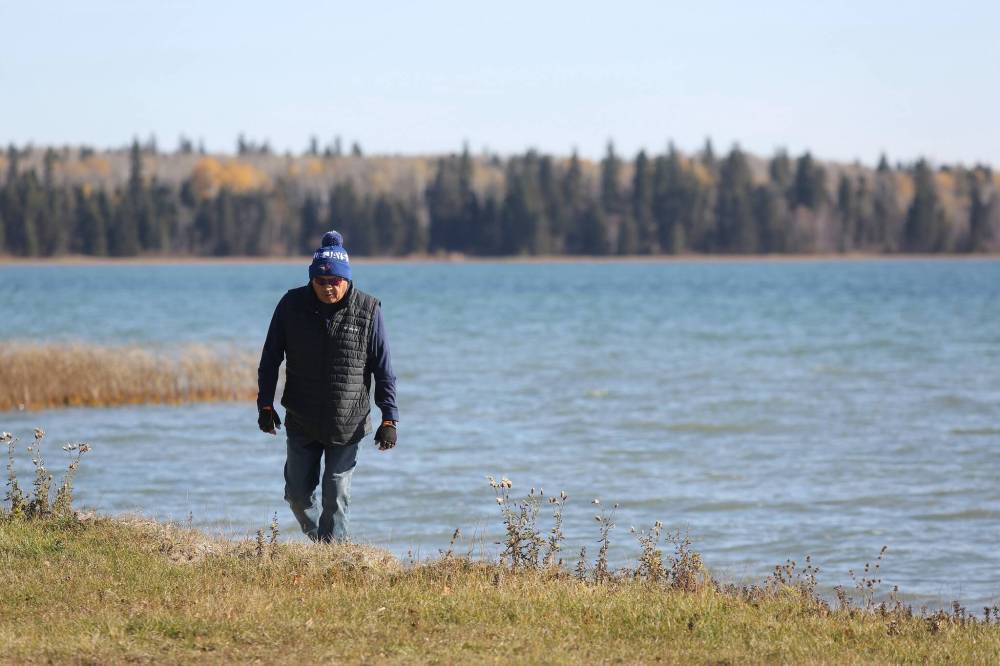
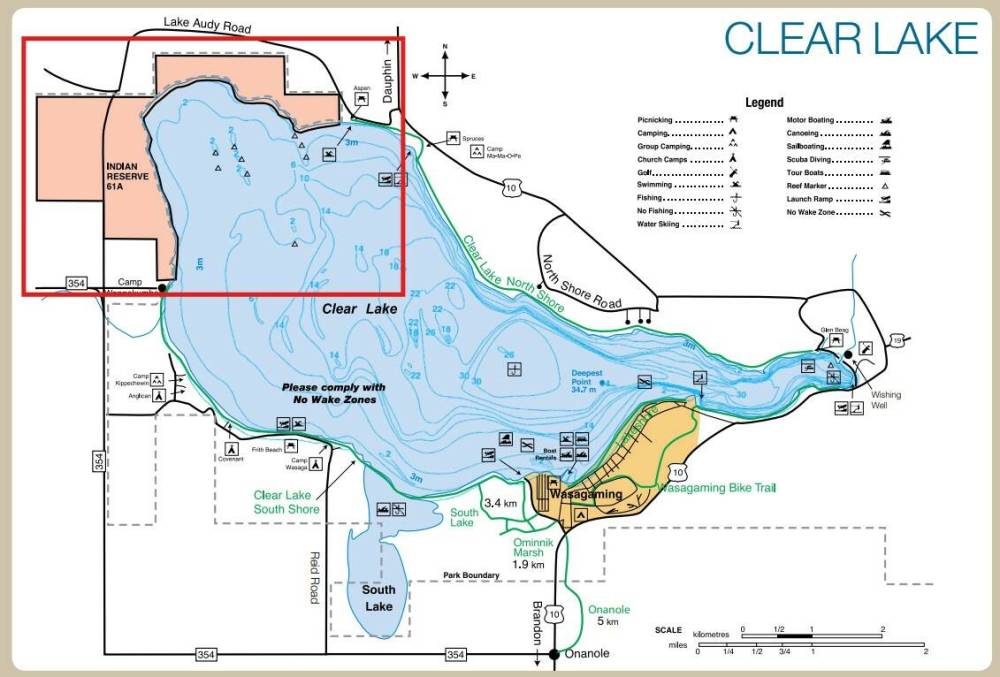
He said the First Nation, which has land on the northwest shore of Clear Lake, would continue to assert its jurisdiction in all matters concerning the lake and surrounding lands.
Parks Canada announced Wednesday it would allow motorized watercraft to return to Clear Lake in 2026 for five out of seven days per week, with bans at dawn and dusk during “quiet” periods and an expanded no-wake zone.
A number of prevention measures for aquatic invasive species have also been mandated for the year.
Blackbird came forward last year as the source of a legal threat that helped push Parks Canada to ban motorboats in 2025. Internal Parks Canada documents obtained by the Sun showed that Keeseekoowenin was arguing to protect its Section 35 constitutional rights to fish at the lake.
Blackbird did not provide a comment on Friday when contacted by the Sun.
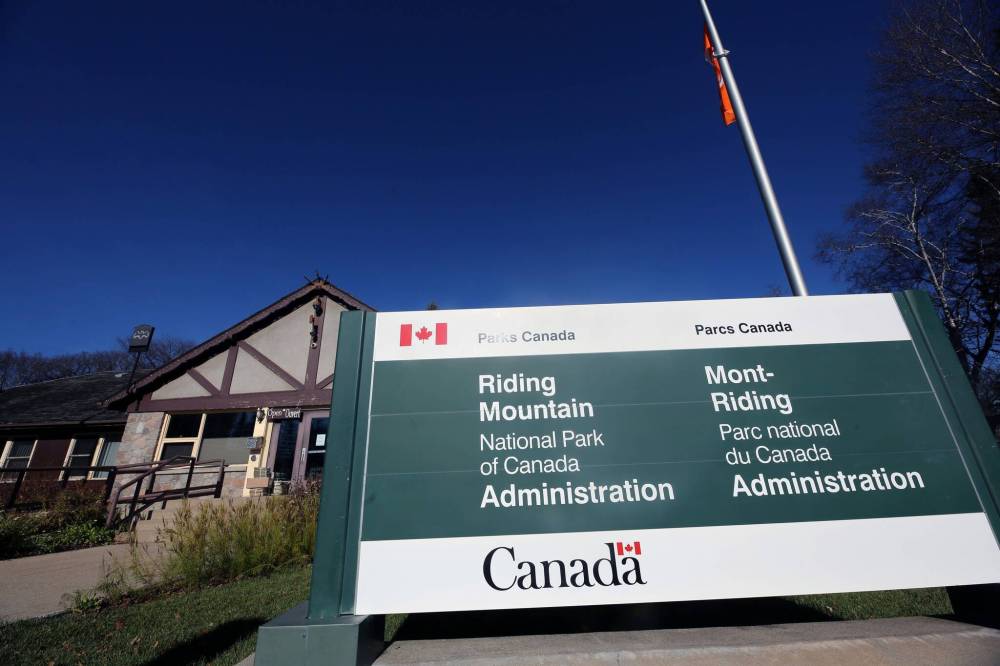
Some of the First Nation’s residents feel that the new policy is a setback after 30 years of consultations, James Plewak, a resident of the First Nation and senior official for the Coalition of First Nations with Interests in Riding Mountain National Park, told the Sun.
Plewak said he does not feel the First Nation’s position has been reflected in the new policy.
“Practically, none of the issues, the points within policy, were discussed at the table,” Plewak said Friday in a phone interview. “I just want to say that I am disappointed with the new approach that the new superintendent has taken.”
A big concern with motorboats is that they are a vector for bringing in invasive species that damage the health of the lake, Plewak said.
But he added that Wednesday’s announcement was a symptom of a bigger problem.
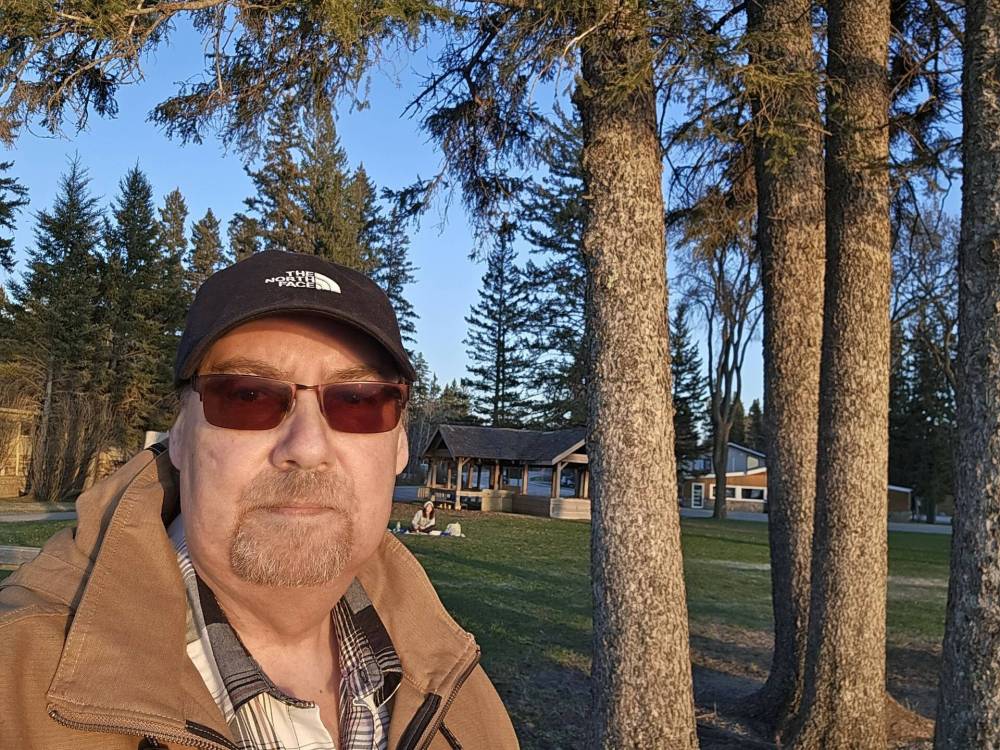
“It’s not just boats and motorboats and allowing the lake to open up, but the whole issue of recognition and respect by Parks Canada,” he said. “We are rights holders, and we believe that we should be dealt as such. Unfortunately, it seems that in this process, with the new superintendent, we’re now relegated to the position of stakeholder.”
He said the First Nation is considering its next steps.
“We’re looking at our options, and we’ll make what we feel will be the best decision. Whether we go to legal avenues or not, we’re weighing our options,” he said. “Certainly, we’re not going to do nothing.”
Parks Canada did not provide a response to Blackbird’s letter before deadline on Friday, but a spokesperson said the federal agency would issue a statement in the future.
The decision to allow motorboats and introduce new management measures followed several months of public engagement sessions, consultation with Indigenous groups, environmental monitoring and a review of literature, Parks Canada said in its announcement.
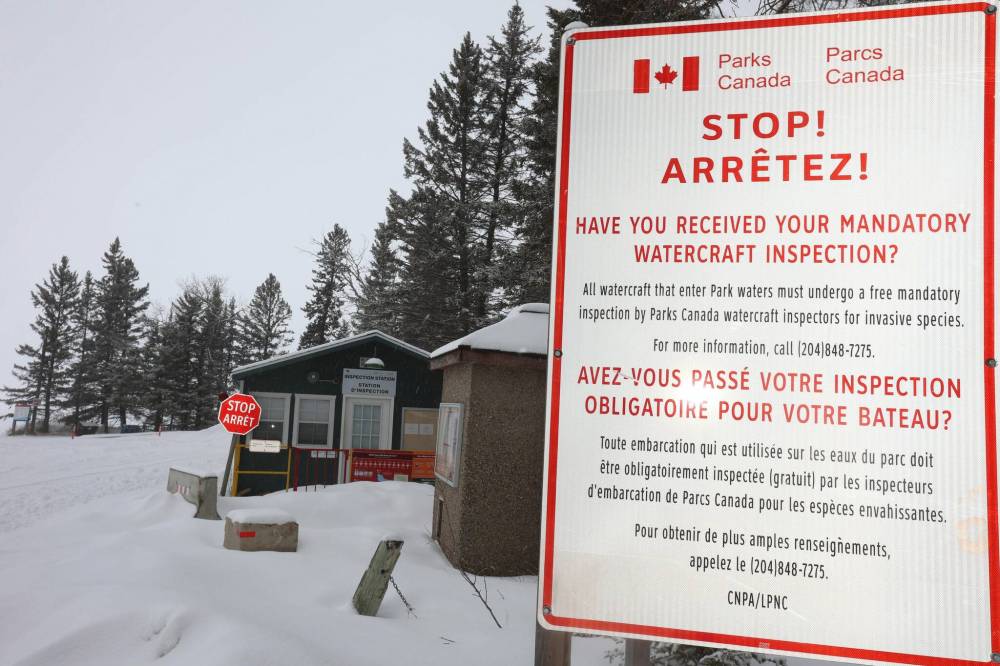
The aquatic invasive species program will also continue to require all watercraft, fishing equipment, wet suits and inflatable toys to be inspected by Parks Canada staff, and that equipment must be properly cleaned and drained, it added.
The agency also announced it would accelerate the advancement of a joint stewardship or management agreement with Blackbird and Keeseekoowenin, and support the First Nation’s continued participation in a monitoring program from the lake’s ecological integrity.
Plewak said he was surprised to see Parks Canada refer to the management agreement in the boating announcement.
“It’s being presented as some sort of win for the First Nation,” Plewak said. “It’s meaningless, because we are already dealing with it. It’s something we already have, and we already have a timeline on it. We’re about 90 per cent concluded on it, and it’s just some phrases and points in law that we need clarification on.”
Parks Canada’s website says a fishing station established in 1896 was designated for the First Nation and then wrongly removed in 1930. It was returned in 1991 following lengthy negotiations.
The site is seen as a place of healing to members of Keeseekoowenin, Blackbird said last year.
» cmcdowell@brandonsun.com