
Forensic nursing gap adds trauma for sexual-assault survivors: MNU
Advertisement
Read this article for free:
or
Already have an account? Log in here »
We need your support!
Local journalism needs your support!
As we navigate through unprecedented times, our journalists are working harder than ever to bring you the latest local updates to keep you safe and informed.
Now, more than ever, we need your support.
Starting at $15.99 plus taxes every four weeks you can access your Brandon Sun online and full access to all content as it appears on our website.
Subscribe Nowor call circulation directly at (204) 727-0527.
Your pledge helps to ensure we provide the news that matters most to your community!
To continue reading, please subscribe:
Add Brandon Sun access to your Free Press subscription for only an additional
$1 for the first 4 weeks*
- Enjoy unlimited reading on brandonsun.com
- Read the Brandon Sun E-Edition, our digital replica newspaper
*Your next Free Press subscription payment will increase by $1.00 and you will be charged $20.95 plus GST for four weeks. After four weeks, your payment will increase to $24.95 plus GST every four weeks.
Read unlimited articles for free today:
or
Already have an account? Log in here »
A sexual-assault nursing program at Brandon’s hospital had no nurses available to examine a victim earlier this month, requiring the individual to travel to Winnipeg for care — a situation the head of the Manitoba Nurses Union says is “very concerning.”
The patient presented to the emergency department at the Brandon Regional Health Centre about two weeks ago and was told to come back a different day when a forensic nurse could complete a sexual assault evidence kit, MNU president Darlene Jackson said.
The sexual-assault survivor decided to drive more than two hours to access care at either Health Sciences Centre or Klinic Community Health — the only medical facilities in Manitoba’s largest city with the program.
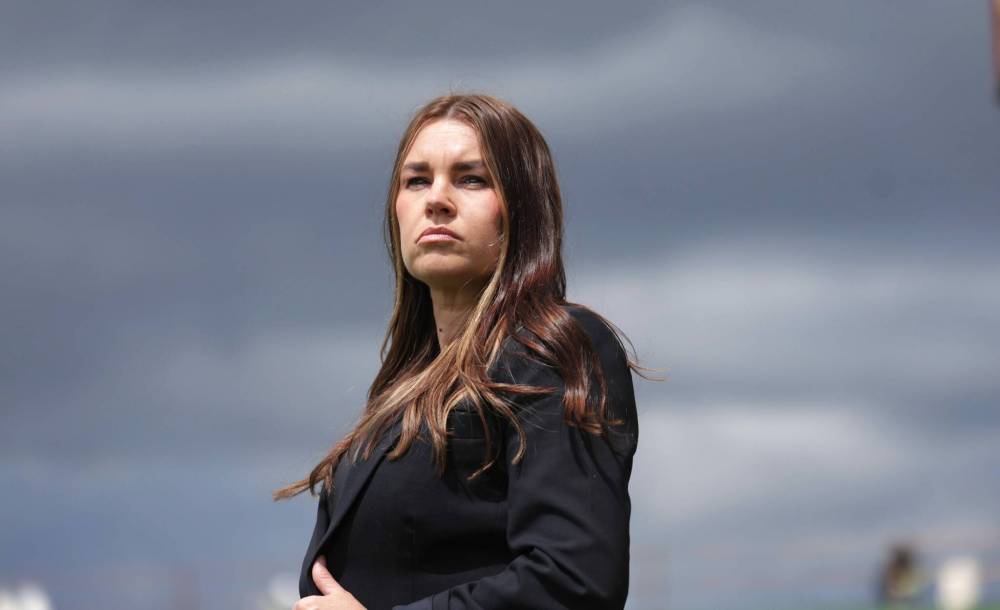
Forensic nurse Ashley Stewart says in her 17 years working in the profession, she has heard of instances where sexual-assault survivors have been told to go to a different hospital for an examination due to a number of reasons, including a lack of trained nurses. (Ruth Bonneville/Winnipeg Free Press)
“To go to an emergency department and be told, ‘We can’t deal with you now. Can you go home and come back?’ … I think it just adds trauma to the situation that these people are already going through,” Jackson said.
Brandon has a total of eight nurses trained through the province’s Sexual Assault Nurse Examiner (SANE) program, a spokesperson for Prairie Mountain Health said in a statement.
These nurses are specially trained to provide trauma-informed care and forensic examinations for people who’ve experienced sexual assault or intimate-partner violence.
Survivors are usually instructed to go to their local emergency room or nursing station to see a forensic nurse.
Jackson said forensic nurses work on a casual basis and may be helping another patient or aren’t on shift when a survivor goes to an ER.
Outside of Brandon, these services are provided by rural doctors in the regional health authority who work in collaboration with law enforcement, the PMH spokesperson said.
It can be uncomfortable or triggering for a survivor to be examined by a male doctor or have to wait several hours in an ER without showering, often wearing the same clothes they were assaulted in, Jackson said.
“I personally know individuals who have gone into a hospital after a sexual assault … in maybe a small rural or northern hospital where service hasn’t been available, and have waited for, you know, two, three hours in a busy waiting room, and finally just went home, and thought, ‘I can’t do this,’” Jackson said.
In these cases, the health-care system is seeing “victims fall through the cracks” and perpetrators avoid prosecution, she said.
Survivors of sexual assault and intimate-partner violence in western Manitoba may hesitate or choose not to report their experience because there’s no forensic nurses in their community and they’re unable to travel to Brandon or Winnipeg, Jackson said.
“It doesn’t matter where you live as a victim of sexual assault, you should have the ability to be examined where you are,” she said.
The Brandon Police Service has received 38 calls for service related to sexual assault so far this year, a spokesperson said. In 2025, police were called 99 times for instances of sexual assault.
Police have also received 57 calls for cases of intimate-partner violence up to May of this year, with 172 calls in 2025, data show.
While it’s unrealistic for every nurse working in rural and northern areas to be trained in the SANE program, having a few forensic nurses dispersed throughout smaller communities could reduce any barriers, Jackson said.
Ashley Stewart, who works as a forensic nurse at Klinic Community Health, said the RCMP have developed a “fairly straightforward” sexual-assault evidence kit that includes instructions to ensure support can be offered by other health-care providers.
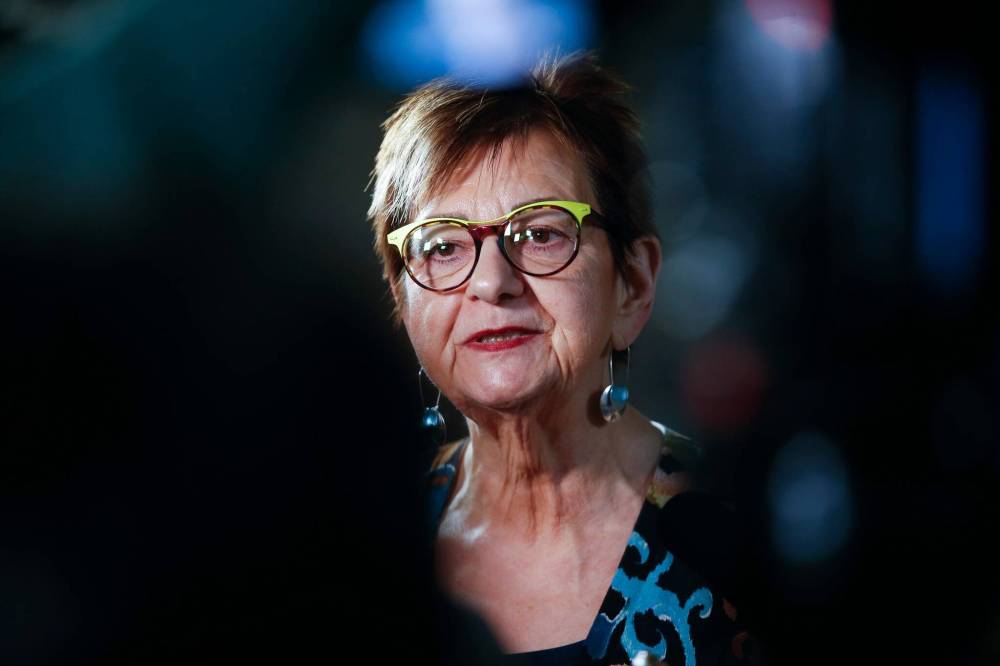
Manitoba Nurses Union president Darlene Jackson said the health-care system is seeing “victims fall through the cracks” and perpetrators avoid prosecution. (John Woods/Winnipeg Free Press files)
In her 17 years working in the profession, she has heard of instances where survivors have been told to go to a different hospital because a trained nurse wasn’t available, the facility didn’t have a kit, or the only doctor on site couldn’t safely offer the care needed for a thorough examination, she said.
“I’ve seen and heard people having to be driven sometimes by RCMP, you know, hours into the next community,” Stewart said.
A few years ago, police transported a patient in Prairie Mountain Health to three different hospitals between the Dauphin and Brandon area before they were finally able to access the care they needed, she said.
Brandon Police Service Const. Amanda Conway hasn’t heard of cases in which local police were needed to transport adult sexual-assault survivors in the Brandon area to Winnipeg for examinations, but it has been required for youth.
“BRHC does not currently perform youth sexual-assault kits, which is certainly a small gap in service we experience in Brandon,” Conway said, adding that this is not a trauma-informed approach.
“Police transportation is not required if the youth has a parent, guardian, caregiver or service worker who is able to transport them to the appropriate facility, making it more comfortable for the survivor,” she said.
Conway said she doesn’t see a lot of youth in need of having a kit done. The last time she transferred a person under 18 to have a kit done in Winnipeg was before the COVID-19 pandemic, she said.
A spokesperson for Prairie Mountain Health did not say why forensic nurses aren’t able to collect sexual-assault evidence kits for youth.
Meanwhile, Stewart said training forensic nurses in rural and northern areas needs to be sustained with adequate funding and account for challenges such as maintaining the service if a trained nurse quits, retires or isn’t on shift when a patient comes to the ER.
“I would like to see a lot more availability and access and equity of care across Manitoba, and see more training of forensic nurses,” she said.
The SANE program at the Health Sciences Centre provides training to nurses across all health regions in Manitoba, a spokesperson for Shared Health said in a statement.
Since 2023, the program has trained 52 forensic nurses, and it’s anticipated that an additional six nurses will complete their theory and clinical training within the next few months, Shared Health said.
Health Sciences Centre currently has the most forensic nurses with 11, followed by eight in the Prairie Mountain and Northern regions, respectively, five in Southern Health and four in the Interlake-Eastern region, Shared Health said.
Klinic Community Health has about 10 nurses, Stewart said.
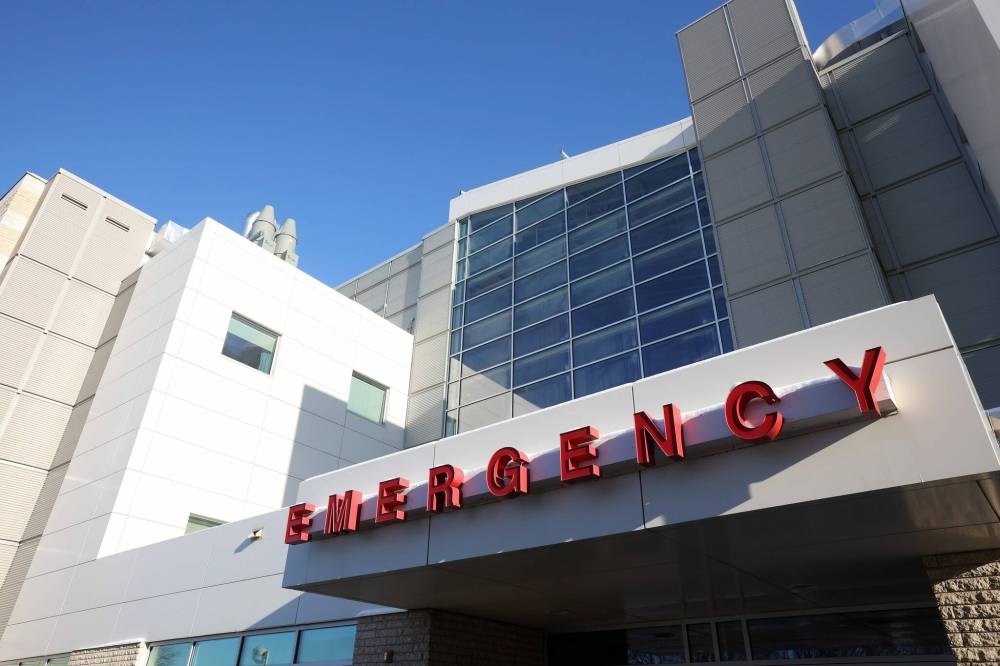
The emergency room entrance at the Brandon Regional Health Centre, where two weeks ago a sexual-assault victim was told to come back for an examination on a day when a forensic nurse would be available, Manitoba Nurses Union president Darlene Jackson said. (Tim Smith/The Brandon Sun files)
Forensic nurses focus on a patient-centred approach to healing and can offer testing for sexually transmitted and blood-borne infections, pregnancy and physical assessments, including documenting injuries or pain, she said.
“We’re not asking people to retell their story and revictimize them as much as we can, and really giving them choice in the process, and I think that’s one of the most important things we do,” she said.
Historically, their work has focused on collecting DNA through sexual-assault evidence kits. While this can be an important step for some survivors, “the route of the criminal justice system is a very colonial system, and it’s not the type of care everyone wants,” Stewart said.
Klinic Community Health can collect DNA samples for a kit up to 10 days following an incident depending on the evidence. Stewart still encourages survivors to see a nurse at any time because they may have injuries or clothing that can be documented and used as evidence.
“Depending on the nature of assault, DNA lives in different places in our body up to a certain time frame,” she said.
“DNA typically lasts the longest inside the vagina. It lasts a little bit less in places like the bum, on the body, in the mouth.”
Police recommend that those who are planning to have a kit done do so within 72 hours, Conway said.
Once the examination is finished, the hospital turns over the kit to police. The evidence is then processed in an RCMP laboratory, she said.
Forensic nurses can still collect evidence even if a survivor chooses not to file a police report right away. This evidence is held for a “predetermined period of time” and is stored and preserved should the individual decide to make a report in the future, Conway said.
There is also an option for survivors to have a kit done anonymously, which allows them to have more control over when they wish to make a formal report to police.
» tadamski@brandonsun.com