
Citywide mosquito fogging deemed a success
Advertisement
Read this article for free:
or
Already have an account? Log in here »
We need your support!
Local journalism needs your support!
As we navigate through unprecedented times, our journalists are working harder than ever to bring you the latest local updates to keep you safe and informed.
Now, more than ever, we need your support.
Starting at $15.99 plus taxes every four weeks you can access your Brandon Sun online and full access to all content as it appears on our website.
Subscribe Nowor call circulation directly at (204) 727-0527.
Your pledge helps to ensure we provide the news that matters most to your community!
To continue reading, please subscribe:
Add Brandon Sun access to your Free Press subscription for only an additional
$1 for the first 4 weeks*
- Enjoy unlimited reading on brandonsun.com
- Read the Brandon Sun E-Edition, our digital replica newspaper
*Your next Free Press subscription payment will increase by $1.00 and you will be charged $20.95 plus GST for four weeks. After four weeks, your payment will increase to $24.95 plus GST every four weeks.
Read unlimited articles for free today:
or
Already have an account? Log in here »
Brandon residents should now be able to enjoy their evenings outside after city crews successfully completed mosquito fogging Thursday night, a parks official said.
“It turned out to be a perfect night for mosquito fogging,” city parks manager Bryce Wilson said on Friday.
“You should be able to enjoy the outdoors in the evenings now, in the dawn and dusk.”
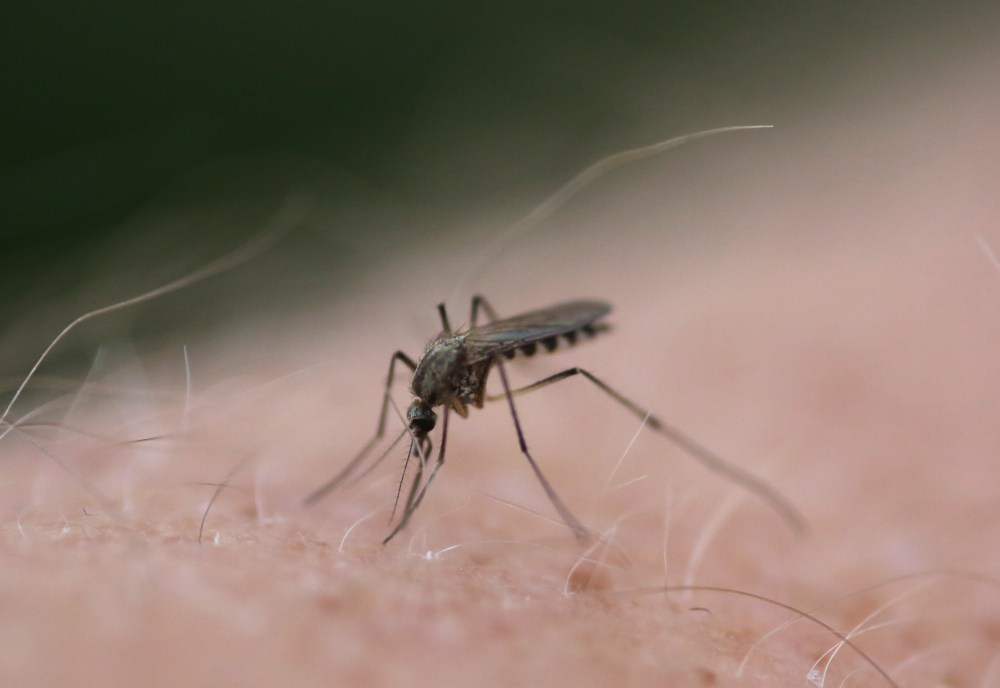
Crews used six trucks with foggers on the back to spray DeltaGard pesticide across every street in the city, only skipping sections where people applied for buffer zones.
Wilson said it took his team about six and a half to seven hours to complete the entire city.
“Actually, it went very well … We’re pretty happy with the result,” he said.
In total, 105 residents applied for buffer zones, a significantly higher number than the 40 people who asked for exemptions the last time mosquito fogging was carried out in 2022.
“The operators and the trucks and their co-pilots were very diligent to make sure the fog was not coming out as they went through the buffer zone,” Wilson said.
The buffer zone extends 90 metres from a person’s property. The city received some emails with concerns that the buffer zone wasn’t being respected, but Wilson said the machine continues to run even when the fogging has stopped, which may have led to some confusion.
“The machine still runs, but the mist will not be coming out of the back. So they’ll turn it off with the trigger and then turn it back on after they drive through the buffer zone,” he said.
Wilson said crews were calibrating the machines Thursday evening, and a couple of hours later, “there was no mosquitoes kind of around our shop, so you’ll see hopefully a change in the mosquitoes in your area.”
The future mosquito outlook all depends on the weather, he said.
“In the next few weeks, if it stays warm and now dry, and with stagnant water from the river dropping, they could increase. But we’ll continue our larviciding program, and hopefully that assists as well,” Wilson said.
“It could get a little bit worse here if it stays hot, and then we’ll have to adjust.”
He said it’s possible that the city’s bylaw for fogging mosquitoes based on trap counts kicks in, or the province could fog because of West Nile virus.
The city’s trap counts weren’t high enough for the city to fog this time, but council voted to fog anyway, citing the high number of complaints from residents.
The province on Thursday also issued a fog order for Carman, Stonewall, West St. Paul, Winkler and parts of Winnipeg due to West Nile virus. Those communities were set to be sprayed Friday night, weather permitting.
“Surveillance data from last week showed high numbers of adult culex tarsalis mosquitoes and evidence of infection with West Nile virus,” the bulletin said. “Mosquito counts exceeded the threshold for the province to begin adult mosquito control” in those communities.
A provincial spokesperson on Friday said Westman municipalities were not included because they “clearly don’t meet the threshold for adult mosquito control.”
The province said the highest risk period for human exposure to the virus is historically between July 15 and Aug. 15.
Wilson said the specific type of mosquito that can carry the virus, culex tarsalis, is not as prevalent in Brandon, adding there’s “nothing to be worried about right now.”
Including that species, Brandon is home to five different types of mosquitoes.
The city has seen an increase of the culex tarsalis species in its traps, however.
Brandon crews aren’t anticipating having to fog due to the virus, but the city is in contact with provincial authorities as the traps are sent to Winnipeg where the mosquitoes are counted and dissected.
Common mild symptoms of the virus include fever, headache, body aches, mild rash and swollen lymph glands that usually appear within two to 15 days after infection.
More severe symptoms, which affect less than one per cent of people infected, include rapid onset of a severe headache, high fever, stiff neck, nausea or vomiting, difficulty swallowing, drowsiness, confusion, loss of consciousness, lack of co-ordination, muscle weakness and paralysis, according to Health Canada.
Adults 50 years or older and those who have underlying health conditions or have weaker immune systems are at greater risk than the general public.
The virus is normally spread by the bite of a mosquito that has fed on an infected bird.
» alambert@brandonsun.com