Brandonites unclear about the carbon tax, but against it
Advertisement
Read this article for free:
or
Already have an account? Log in here »
We need your support!
Local journalism needs your support!
As we navigate through unprecedented times, our journalists are working harder than ever to bring you the latest local updates to keep you safe and informed.
Now, more than ever, we need your support.
Starting at $15.99 plus taxes every four weeks you can access your Brandon Sun online and full access to all content as it appears on our website.
Subscribe Nowor call circulation directly at (204) 727-0527.
Your pledge helps to ensure we provide the news that matters most to your community!
To continue reading, please subscribe:
Add Brandon Sun access to your Free Press subscription for only an additional
$1 for the first 4 weeks*
- Enjoy unlimited reading on brandonsun.com
- Read the Brandon Sun E-Edition, our digital replica newspaper
*Your next Free Press subscription payment will increase by $1.00 and you will be charged $20.95 plus GST for four weeks. After four weeks, your payment will increase to $24.95 plus GST every four weeks.
Read unlimited articles for free today:
or
Already have an account? Log in here »
Hey there, time traveller!
This article was published 05/01/2019 (2833 days ago), so information in it may no longer be current.
Part of the federal carbon tax began taking effect on Jan. 1, leaving many Manitobans with more questions than answers.
The Brandon Sun conducted an informal poll of people at Shoppers Mall and Brandon University on Friday, during which it became clear that many people were uncertain about what the carbon tax was, how it worked and how it would affect them.
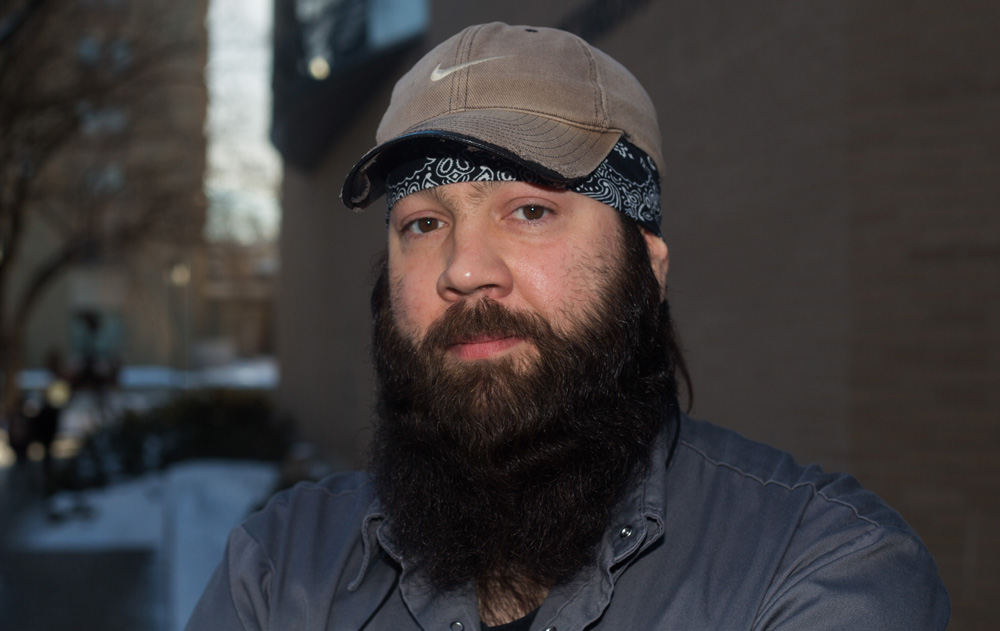
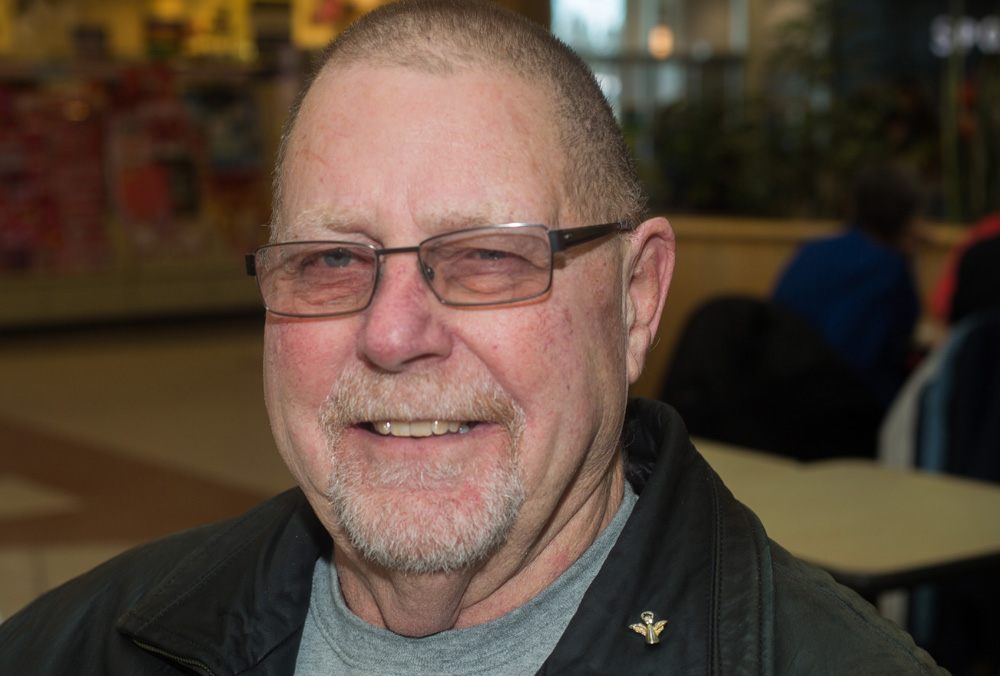
“I don’t understand how it all works, either than that it’s probably going to cost us money,” respondent Pete Stevenson said.
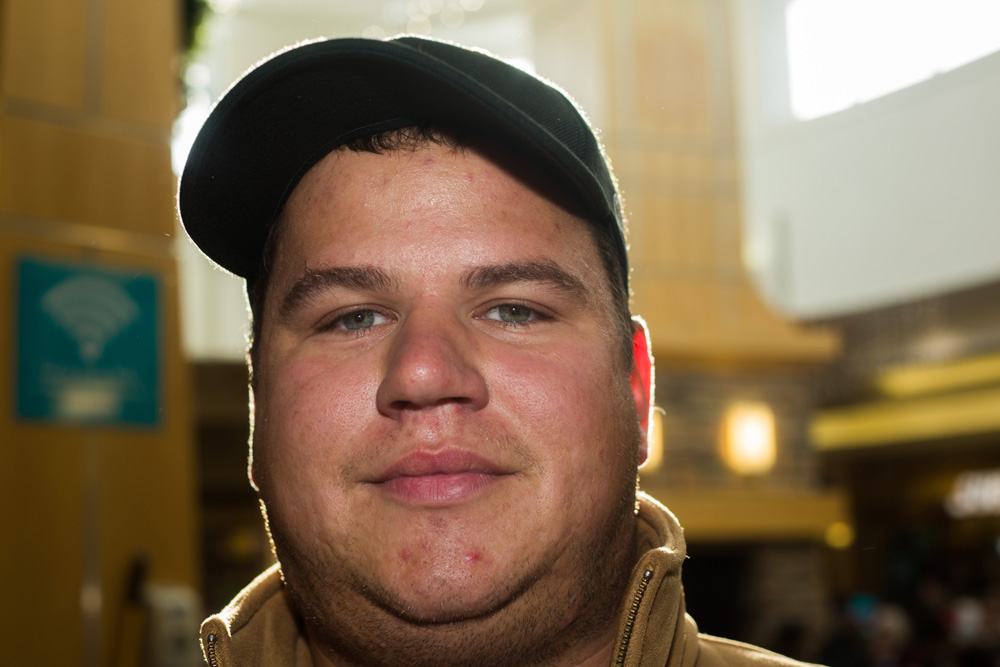
“They take money away from us and they give it back to us. They’re going to charge it then give us some sort of a refund, but it’s still going to cost us money. I think it doesn’t make much sense, but a lot of things that the government does doesn’t make much sense to me.”
Under the new carbon tax pricing plan, emitters in the province that use at least 50,000 tonnes of carbon per year are already being affected, as of Jan. 1.
On April 1, the broader population will see impacts, including an increase at the gas pumps of 4.42 cents per litre as a result of the $20-per-tonne tax being charged on gasoline, diesel and natural gas.
A rebate is included with carbon tax.
In Manitoba, families of four can expect to get back an average rebate of $339, single adults can anticipate $170, and $42 can be claimed for children. These numbers will increase as the per-tonne charge increases during the next few years.
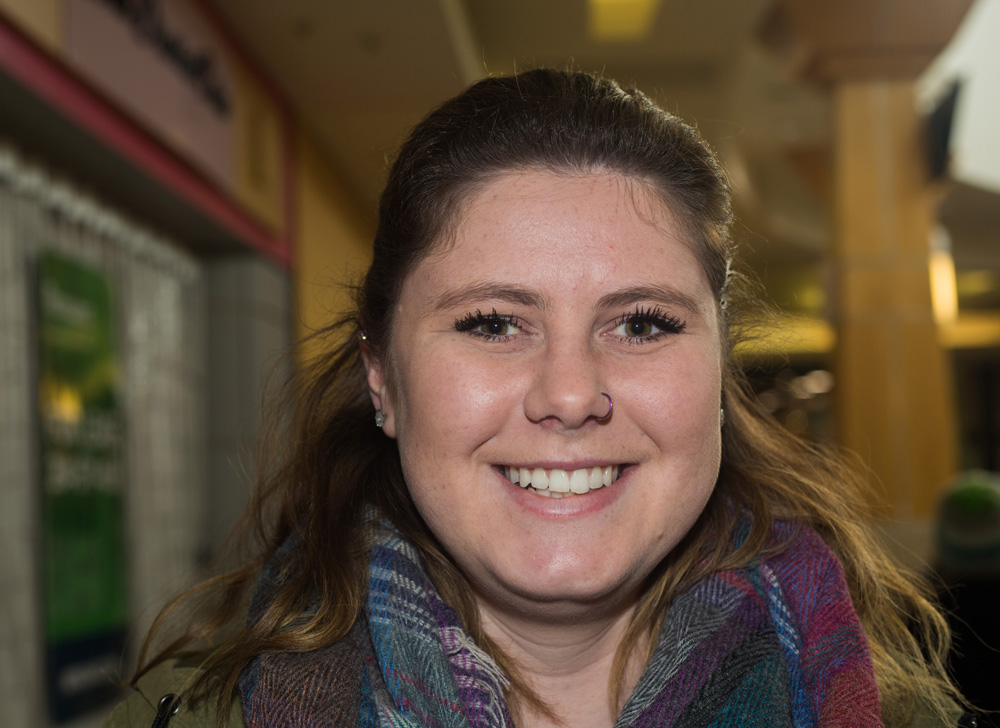
“The Prairie provinces are very against it at this point,” respondent Lisa Rystephanuk said. “I know that they are pushing it against us and that we’re going to get taxed … I don’t think we should get taxed on that. I think there are better ways to change the emissions in the country.”
In October, Pallister announced that he would defy the federal government’s carbon pricing strategy, and drop the Made-in-Manitoba carbon tax plan, whose pricing scheme the feds had rejected.
The federal government demanded that provinces charge a carbon tax on emission starting at $10 per tonne, and raise that to $50 per tonne by 2020.
The point of connection raised by Pallister was the eventual rise to $50.
Saskatchewan, PEI and Ontario have also backed out of the carbon tax.
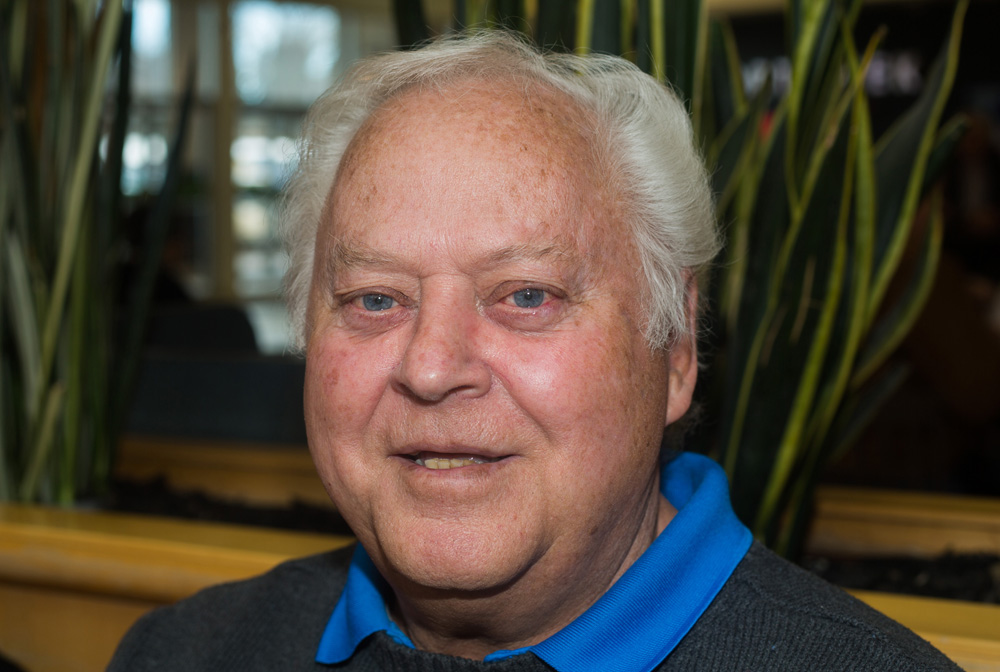
“The politicians are arguing about it,” respondent Jared Hearn said. “I think Western Canada is maybe going to suffer from a carbon tax, but the Liberals in Ontario maybe not so much.”
Raising concerns that the roll out failed to impress important information on the public, respondent Matt McDonald, a Brandon University student, said that many people have a limited understanding of how the tax works and what impact it might have on climate change.
“It’s very rarely in laymen’s terms because that sort of helps it to go over people’s heads, which allows it to happen without any qualms or problems,” he said. “I find it’s a little overly lofty language.”
Like MacDonald, respondent Laurie Imbeau said that he was less than impressed with how the tax has been handled and what he considered an unequivocal failure by the government to clearly articulate how it will work.
“They could try and explain it a little bit better to people, what this carbon tax, carbon tonnes or whatever.”
»ckemp@brandonsun.com
»Twitter: @The_ChelseaKemp