Physiotherapy key to post-transfer recovery, patients say
Advertisement
Read this article for free:
or
Already have an account? Log in here »
We need your support!
Local journalism needs your support!
As we navigate through unprecedented times, our journalists are working harder than ever to bring you the latest local updates to keep you safe and informed.
Now, more than ever, we need your support.
Starting at $15.99 plus taxes every four weeks you can access your Brandon Sun online and full access to all content as it appears on our website.
Subscribe Nowor call circulation directly at (204) 727-0527.
Your pledge helps to ensure we provide the news that matters most to your community!
To continue reading, please subscribe:
Add Brandon Sun access to your Free Press subscription for only an additional
$1 for the first 4 weeks*
*Your next subscription payment will increase by $1.00 and you will be charged $20.00 plus GST for four weeks. After four weeks, your payment will increase to $24.00 plus GST every four weeks.
Read unlimited articles for free today:
or
Already have an account? Log in here »
Hey there, time traveller!
This article was published 18/03/2022 (1460 days ago), so information in it may no longer be current.
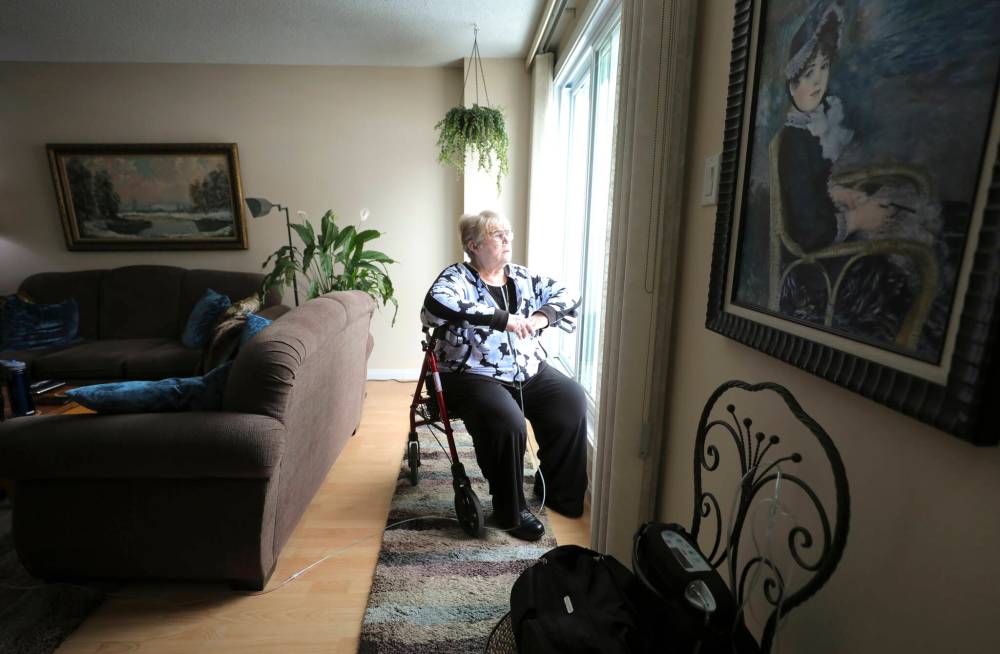
Lisa Tarko didn’t want to be transferred 188 kilometres to Neepawa this winter for medical treatment, but is grateful she was.
The Winnipeg woman is among the hospital patients impacted by Manitoba’s inter-regional health system transfer protocol, and agrees there’s a greater need for physical rehabilitation services to help them heal.
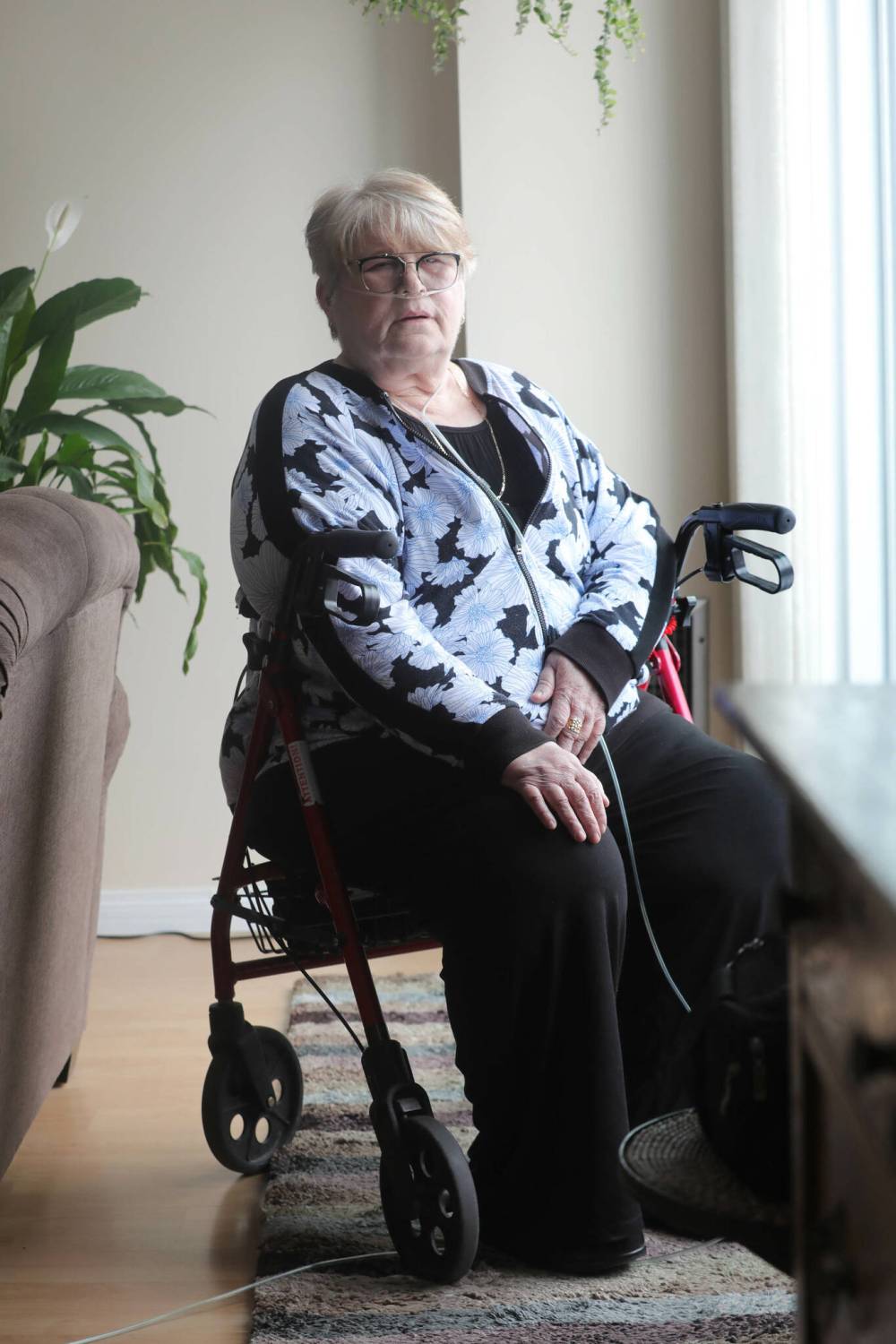
If she hadn’t been sent to Neepawa in late January, Tarko said she’d likely need long-term care now. Instead, she’s back home and able to use a walker after having life-saving surgery.
“I probably would’ve ended up in a nursing home or personal care home,” Tarko said this week. “I think that it would’ve gotten to that point if I didn’t get proper rehab.”
Tarko had a pacemaker put in at St. Boniface Hospital and spent about a month in the Winnipeg cardiac unit before she was transferred to Neepawa — a decision she says she didn’t take lightly, but it turned out to be the best thing for her.
“My knee-jerk reaction was to say no,” the 64-year-old said. However, Tarko said she could see the staff at St. B. were overworked, and she needed to be in a rehabilitation program to recover and walk again.
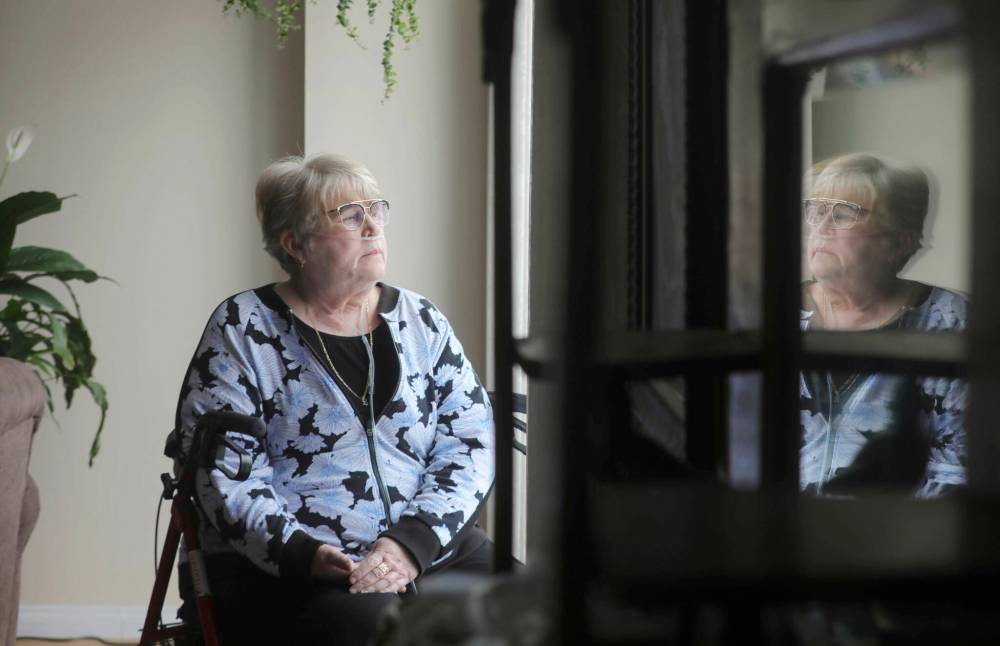
When she got to Neepawa, staff at the smaller hospital had time to give her rehab care. Within less than two weeks, Tarko was back home.
“My outcome was a good one,” she said. “Because I had good rehab, I was able to bounce back faster.”
During her time in Neepawa, she had no visitors but did have access to her cellphone, reading material, and a television. She was in regular contact with her husband and friends.
“If I was a geriatric person with cognitive issues, it would be awful,” she said.
“I got to come home and I’m thriving,” Tarko added. “I’m improving at home every day, and I’m getting back to my normal life.”
In cases like hers, Tarko said it makes sense for Manitoba to continue transferring patients to hospitals that have space and time to care for them.
“The system is strained. It’s broken, and it’s not going to get fixed. So them doing this, I think, is a good thing,” she said. “But it depends on the patient.”
So far, about 319 Manitoba patients have been transferred to health centres outside their home region via the province’s inter-regional transfer protocol, which was meant to free up city hospital beds for COVID-19 patients and is expected to continue post-pandemic.
It’s unclear how many of the transferred patients have returned home; Shared Health doesn’t track that figure.
Bob Olynyk, 76, is one of those transferred patients who is still waiting for rehab. He’s spent almost two months at the Gladstone Health Centre after being moved from Winkler’s Boundary Trails Health Centre.
He recovered from pneumonia at Boundary Trails, and then received regular physiotherapy there. But the physiotherapy abruptly stopped, Olynyk said, and he was taken to Gladstone, about 175 km northwest.
On Friday, Olynyk said he was never given an explanation for the transfer.
“They have no idea how long. They will not tell me or my family who authorized me coming here, and they have no idea how long I’m going to stay,” he said.
Olynyk said he hasn’t received any physiotherapy since being transferred. When he left Boundary Trails, he could stand on his own and was getting progressively stronger. Now, he said can’t walk and it takes two nurses with a lift to help him to his feet.
Olynyk said he now believes he won’t be released until a personal care home bed becomes available. He was panelled and approved to enter long-term care months ago.
“That’s what I feel, and I do not begrudge anybody in this hospital. It’s not them, it’s the upper people — the high-paycheque people,” Olynyk said.
The staff are giving him excellent care with the resources they have, he said, but the Manitoba health-care system “stinks… Like a dozen skunks: it stinks.”
katie.may@freepress.mb.ca