
Rural health-care workers harder hit
Advertisement
Read this article for free:
or
Already have an account? Log in here »
We need your support!
Local journalism needs your support!
As we navigate through unprecedented times, our journalists are working harder than ever to bring you the latest local updates to keep you safe and informed.
Now, more than ever, we need your support.
Starting at $15.99 plus taxes every four weeks you can access your Brandon Sun online and full access to all content as it appears on our website.
Subscribe Nowor call circulation directly at (204) 727-0527.
Your pledge helps to ensure we provide the news that matters most to your community!
To continue reading, please subscribe:
Add Brandon Sun access to your Free Press subscription for only an additional
$1 for the first 4 weeks*
- Enjoy unlimited reading on brandonsun.com
- Read the Brandon Sun E-Edition, our digital replica newspaper
*Your next Free Press subscription payment will increase by $1.00 and you will be charged $20.95 plus GST for four weeks. After four weeks, your payment will increase to $24.95 plus GST every four weeks.
Read unlimited articles for free today:
or
Already have an account? Log in here »
Hey there, time traveller!
This article was published 12/09/2020 (2145 days ago), so information in it may no longer be current.
Even before Manitoba saw a surge in cases over the summer, COVID-19 was having a negative impact on the mental health of rural health-care workers.
This, according to a survey conducted at Brandon University’s Centre for Critical Studies of Rural Mental Health about the impact of COVID-19 on the mental health of rural Manitobans.
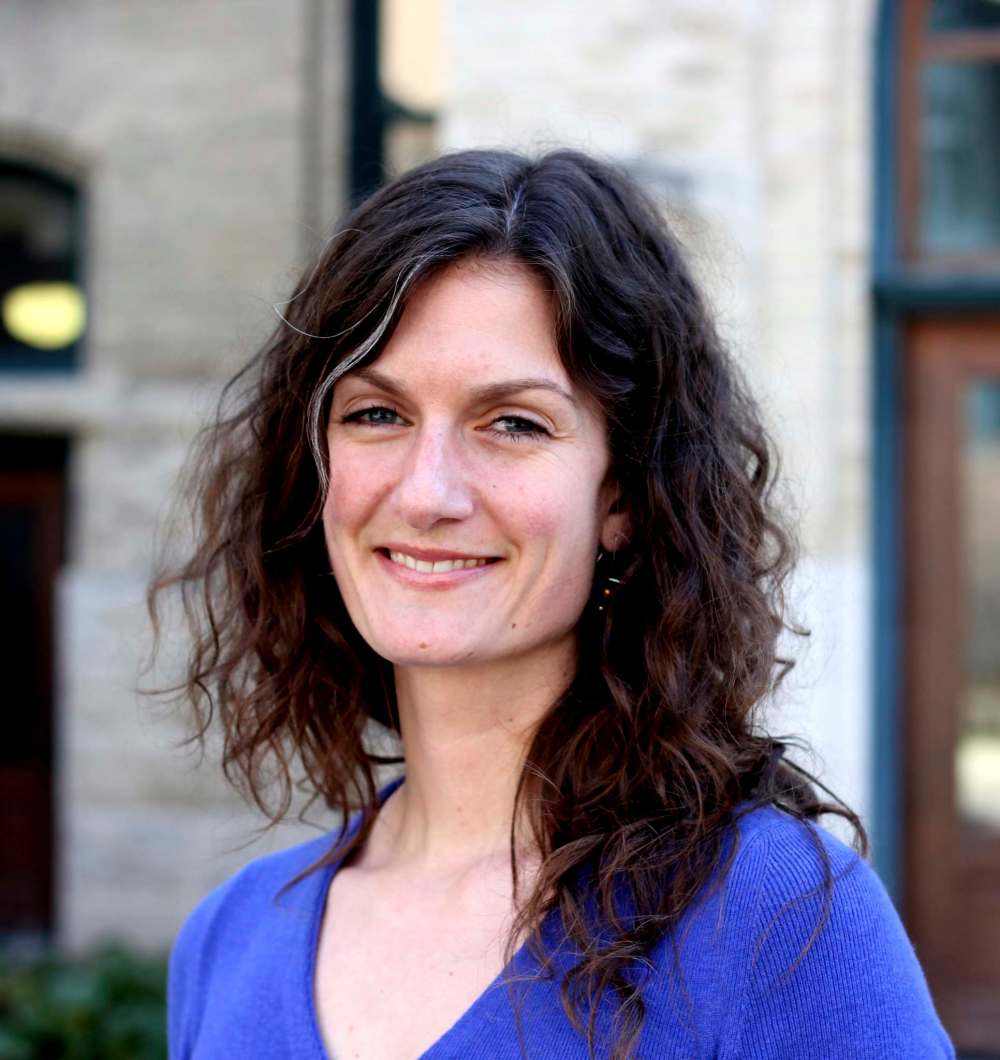
Health-care workers in rural communities were also harder-hit than those in larger centres, said Rachel Herron, an associate professor with the university’s Department of Geography and the centre’s director.
Those in communities with fewer than 10,000 people reported higher levels of anxiety than those working in more populous communities.
“Smaller community, greater anxiety,” Herron said.
Limited resources in smaller communities and the lack of clear information about COVID-19 protocols from public health also contributed to their sense of anxiety.
While their anxiety levels spiked during the pandemic, Herron said respondents also developed individual coping strategies to deal with mental stress while working through the pandemic.
The survey showed an increase in substance use, such as alcohol and smoking, among almost half of the respondents since the onset of the pandemic.
“There was a lot of the language of being unsupported — being isolated and just feeling there was a lack of compassion from the community and from the provincial government,” Herron said.
“When COVID-19 hit, we had conversations both internally and with our community partners about what we should be doing to respond to COVID-19 and so it was really out of that interest in responding to our community’s needs that this survey was born.”
Herron said the research team is composed of faculty members from various departments at the university, including psychology, education, rural development and psychiatric nursing, as well as two student researchers.
The online survey included 137 people over the course of a month. The majority of respondents — 70 per cent — are employed as nurses, while the remaining 30 per cent are employed in other health-care roles, including care aides, physicians, paramedics, counsellors and social workers.
All the respondents worked in non-metropolitan areas located outside of Winnipeg, and 60 per cent worked in communities with populations lower than 10,000.
Herron said survey respondents asked for access to more professional mental health support, as well as peer support, to help them better deal with the impact of working through COVID-19. They also asked for the community to better understand the stress that healthcare workers have been under for a long duration of time.
Herron said a healthy health-care workforce is essential to continue dealing with the impact of COVID-19 in Manitoba.
“Our health-care workers are our quote-un-quote frontline workers. If we want an effective front line for the future we need to support their well-being.”
» eklatt@brandonsun.com
» Twitter: @emdashklatt