
Quebec justice minister faces ethics probe after naming friend to provincial court
Advertisement
Read this article for free:
or
Already have an account? Log in here »
We need your support!
Local journalism needs your support!
As we navigate through unprecedented times, our journalists are working harder than ever to bring you the latest local updates to keep you safe and informed.
Now, more than ever, we need your support.
Starting at $15.99 plus taxes every four weeks you can access your Brandon Sun online and full access to all content as it appears on our website.
Subscribe Nowor call circulation directly at (204) 727-0527.
Your pledge helps to ensure we provide the news that matters most to your community!
To continue reading, please subscribe:
Add Brandon Sun access to your Free Press subscription for only an additional
$1 for the first 4 weeks*
- Enjoy unlimited reading on brandonsun.com
- Read the Brandon Sun E-Edition, our digital replica newspaper
*Your next Free Press subscription payment will increase by $1.00 and you will be charged $20.95 plus GST for four weeks. After four weeks, your payment will increase to $24.95 plus GST every four weeks.
Read unlimited articles for free today:
or
Already have an account? Log in here »
Hey there, time traveller!
This article was published 16/05/2023 (1245 days ago), so information in it may no longer be current.
Quebec Justice Minister Simon Jolin-Barrette is facing an ethics investigation after appointing his friend as a provincial court judge.
Ethics commissioner Ariane Mignolet opened an investigation after receiving a complaint from the Liberal party regarding the nomination of Charles-Olivier Gosselin to Quebec court.
The probe was launched after Le Soleil newspaper reported that Jolin-Barrette had been a guest at Gosselin’s marriage in 2015.
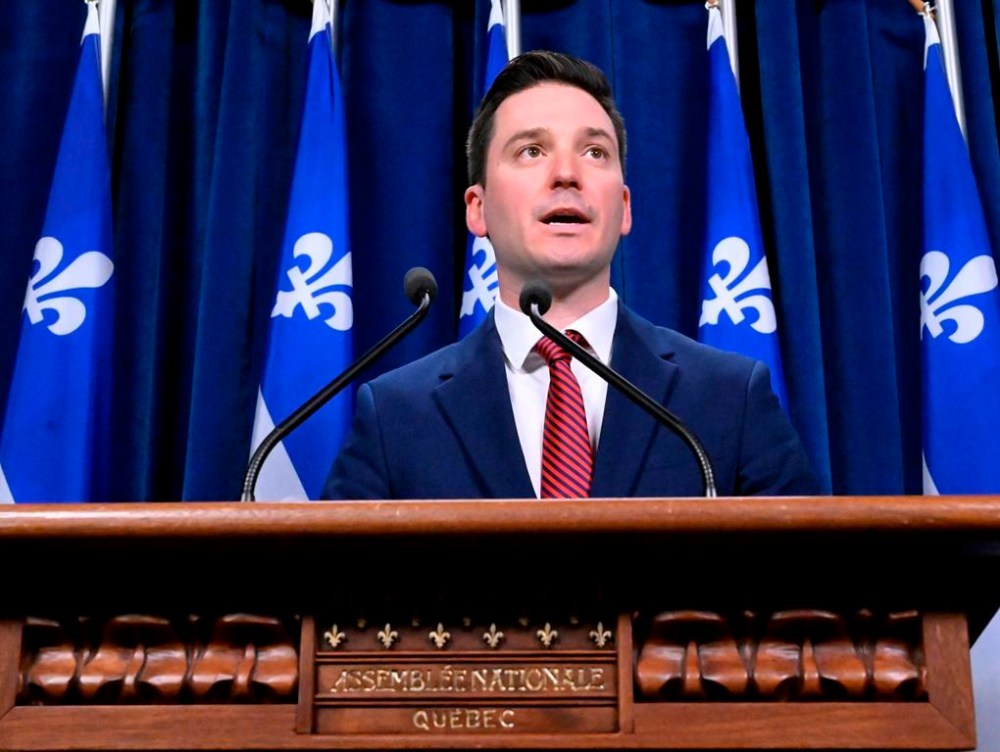
Jolin-Barrette has admitted to not informing the premier or the cabinet that he and Gosselin were friends.
Liberal legislature member Monsef Derraji says he filed the complaint because the nomination raises ethical questions about the role that the justice minister played in the final phase of the appointment process.
The justice minister fills vacant judicial positions by choosing from a list of up to three names produced by an independent committee, then submits his or her choice to cabinet for approval — which is usually automatic.
This report by The Canadian Press was first published May 16, 2023.