
Canadian Human Rights Tribunal approves $23B First Nations child welfare settlement
Advertisement
Read this article for free:
or
Already have an account? Log in here »
We need your support!
Local journalism needs your support!
As we navigate through unprecedented times, our journalists are working harder than ever to bring you the latest local updates to keep you safe and informed.
Now, more than ever, we need your support.
Starting at $15.99 plus taxes every four weeks you can access your Brandon Sun online and full access to all content as it appears on our website.
Subscribe Nowor call circulation directly at (204) 727-0527.
Your pledge helps to ensure we provide the news that matters most to your community!
To continue reading, please subscribe:
Add Brandon Sun access to your Free Press subscription for only an additional
$1 for the first 4 weeks*
*Your next subscription payment will increase by $1.00 and you will be charged $20.00 plus GST for four weeks. After four weeks, your payment will increase to $24.00 plus GST every four weeks.
Read unlimited articles for free today:
or
Already have an account? Log in here »
Hey there, time traveller!
This article was published 26/07/2023 (982 days ago), so information in it may no longer be current.
OTTAWA – The Canadian Human Rights Tribunal has approved a $23.4-billion settlement agreement for First Nations children, youth and families harmed by the federal government’s underfunding of child welfare services.
“According to the parties, this is the largest compensation settlement in Canadian history and it now includes a commitment from the Minister of Indigenous Services to request an apology from the Prime Minister,” the decision, released Wednesday, reads.
Cindy Blackstock, executive director of the First Nations Child and Family Caring Society, has been negotiating the settlement alongside the Assembly of First Nations.
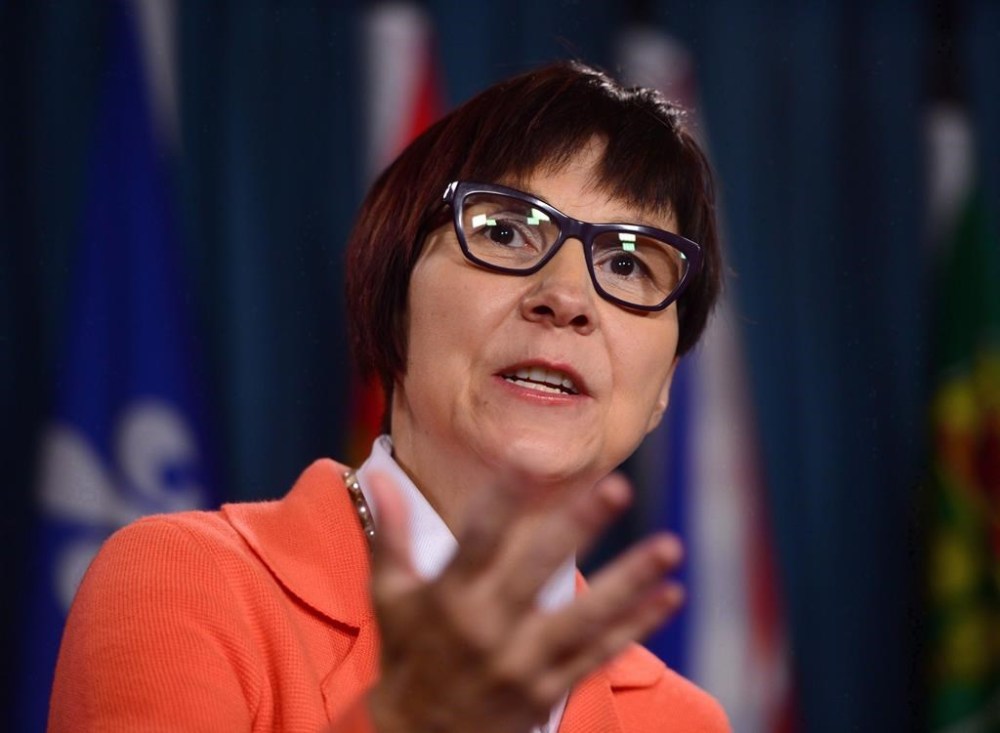
While compensation is important, justice will only be achieved once discrimination stops and effective measures are put in place so it doesn’t happen again, Blackstock said in a release.
“The tribunal called Canada’s discrimination ‘wilful and reckless’ and a ‘worst-case scenario’ because it separated children unnecessarily from their families and created other serious harms – including the tragic deaths of some children.”
The latest settlement comes more than 15 years after the two organizations jointly launched a human-rights complaint that sparked a years-long legal battle with Ottawa.
The 2007 complaint revolved around allegations that Ottawa’s underfunding of on-reserve child welfare services amounted to discrimination, and that First Nations children were denied equal access to support including school supplies and medical equipment.
The tribunal eventually ruled in the complainants’ favour, setting off a range of lawsuits, appeals and proposed settlements.
Last year, Ottawa offered to spend $20 billion to reform the child-welfare system and another $20 billion on compensation, but the tribunal rejected the proposal and raised concerns that not all eligible claimants would receive compensation.
The new deal included an extra $3 billion to compensate another 13,000 people and made other amendments both sides hoped would satisfy the tribunal’s concerns.
On Wednesday, the tribunal announced that the additional measures met the bar.
Those who qualify for the settlement will receive at least $40,000, with some receiving more, as the government has agreed to pay interest on the payments.
“Complete justice will be achieved when systemic racial discrimination no longer exists. The compensation in this case is only one component,” the decision reads.
“The tribunal, assisted meaningfully by the parties, has always focused on the need for a complete reform, the elimination of the systemic racial discrimination found and the need to prevent similar practices from arising. This continues to be the tribunal’s focus.”
Blackstock thanked First Nations leadership and experts, along with a long list of Indigenous groups and lawyers for their work on the file.
“Let’s finish the job by ending the discrimination and raising the first generation of First Nations children that do not have to recover from their childhoods.”
This report by The Canadian Press was first published July 26, 2023.