
Cities facing ‘unprecedented challenges,’ Montreal mayor says as property taxes rise
Advertisement
Read this article for free:
or
Already have an account? Log in here »
We need your support!
Local journalism needs your support!
As we navigate through unprecedented times, our journalists are working harder than ever to bring you the latest local updates to keep you safe and informed.
Now, more than ever, we need your support.
Starting at $15.99 plus taxes every four weeks you can access your Brandon Sun online and full access to all content as it appears on our website.
Subscribe Nowor call circulation directly at (204) 727-0527.
Your pledge helps to ensure we provide the news that matters most to your community!
To continue reading, please subscribe:
Add Brandon Sun access to your Free Press subscription for only an additional
$1 for the first 4 weeks*
- Enjoy unlimited reading on brandonsun.com
- Read the Brandon Sun E-Edition, our digital replica newspaper
*Your next Free Press subscription payment will increase by $1.00 and you will be charged $20.95 plus GST for four weeks. After four weeks, your payment will increase to $24.95 plus GST every four weeks.
Read unlimited articles for free today:
or
Already have an account? Log in here »
Hey there, time traveller!
This article was published 15/11/2023 (1097 days ago), so information in it may no longer be current.
Montreal is imposing the highest property tax increases in years as Mayor Valérie Plante says Canadian cities are facing “unprecedented challenges” linked to inflation, housing and climate change.
On Wednesday, Plante released a $6.99-billion budget for 2024 that includes an average tax hike of 4.9 per cent for residential property owners and 4.6 per cent for commercial. Overall spending will jump by 3.5 per cent over the previous budget, largely because of rising costs for things such as snow removal, garbage collection and gasoline.
Cities are at the forefront of global upheavals, including the opioid crisis and climate change, and face growing needs related to homelessness and mental heath care, Plante told reporters.
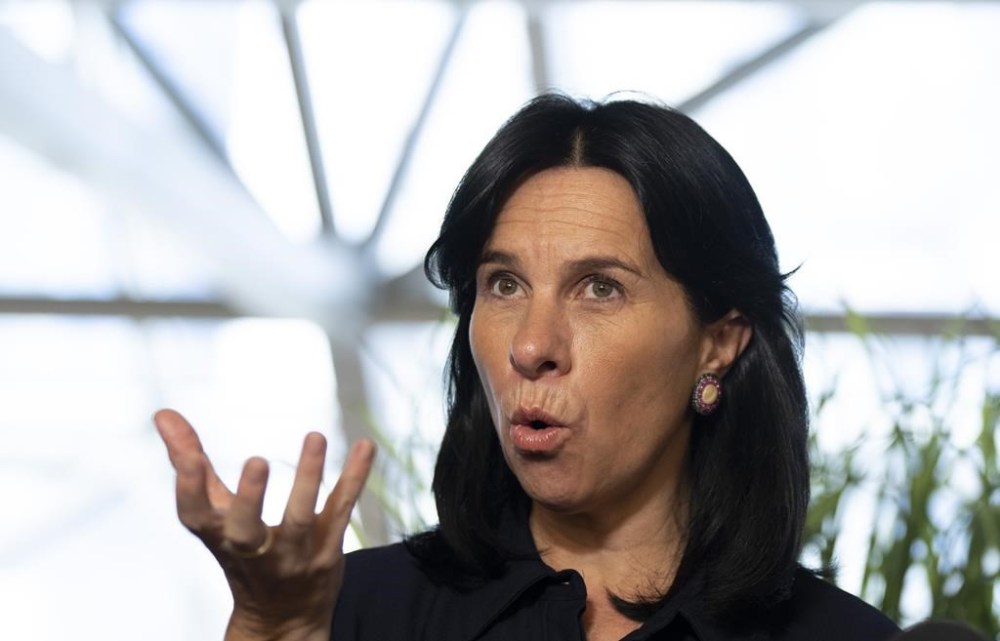
“Montreal is the flashpoint for the crying needs that are specific to major cities here but also elsewhere, which are the local consequences of the major international conflicts that are shaking us up,” she said.
“I am thinking, among other things, of the opioid crisis, which is everywhere in North America and which is wreaking havoc, and many other vulnerabilities, such as the issue of homelessness and even mental health.”
Plante said cities have also been struggling to shoulder the costs for public transit services that have suffered big drops in ridership as a result of the COVID-19 pandemic, adding that climate change has had “more frequent and violent impacts” on infrastructure.
The biggest cost in Montreal’s budget is public security, at 18.3 per cent, followed by debt servicing, at 16.6 per cent. Public security costs are expected to rise by $35.5 million — the vast majority of which is for Montreal police — while public transit spending will rise by $48.4 million.
Plante described the city’s spending as “modest and contained” and said the administration has tried to find ways to save money while maintaining services.
She said the property tax hikes are less than inflation, estimated at 5.2 per cent.
Official Opposition party Ensemble Montreal, however, blasted Plante for bringing in what they called “historic” tax hikes and increasing spending at a time when Montrealers are struggling to pay for groceries and housing. Finance critic Alan DeSousa called her Projet Montréal party “the very incarnation of the caviar left,” and noted that there have been thousands of people hired since Plante was first elected in 2017.
“There is surely fat, there is surely a rationalization, surely things to do better,” he told reporters after the mayor released her budget.
Ensemble Montréal said in a news release that the non-residential tax hikes were a particular “slap in the face” for business owners who are already struggling to stay afloat.
This report by The Canadian Press was first published Nov. 15, 2023.