
Negro League stats added to MLB records
Advertisement
Read this article for free:
or
Already have an account? Log in here »
We need your support!
Local journalism needs your support!
As we navigate through unprecedented times, our journalists are working harder than ever to bring you the latest local updates to keep you safe and informed.
Now, more than ever, we need your support.
Starting at $15.99 plus taxes every four weeks you can access your Brandon Sun online and full access to all content as it appears on our website.
Subscribe Nowor call circulation directly at (204) 727-0527.
Your pledge helps to ensure we provide the news that matters most to your community!
To continue reading, please subscribe:
Add Brandon Sun access to your Free Press subscription for only an additional
$1 for the first 4 weeks*
- Enjoy unlimited reading on brandonsun.com
- Read the Brandon Sun E-Edition, our digital replica newspaper
*Your next Free Press subscription payment will increase by $1.00 and you will be charged $20.95 plus GST for four weeks. After four weeks, your payment will increase to $24.95 plus GST every four weeks.
Read unlimited articles for free today:
or
Already have an account? Log in here »
Hey there, time traveller!
This article was published 31/05/2024 (851 days ago), so information in it may no longer be current.
Major League Baseball announced this week that the statistics of more than 2,300 Negro Leagues players will be incorporated into the MLB record books.
The addition, which comes a few years after MLB declared the Negro Leagues should be considered “Major League level,” means the achievements of some of the sport’s all-time greats will now be considered against those of their contemporaries, even though they were not allowed to compete against them on the field.
Stars like Homestead Grays slugger Josh Gibson now stand alongside names like Babe Ruth and Ted Williams in record books that long excluded them.
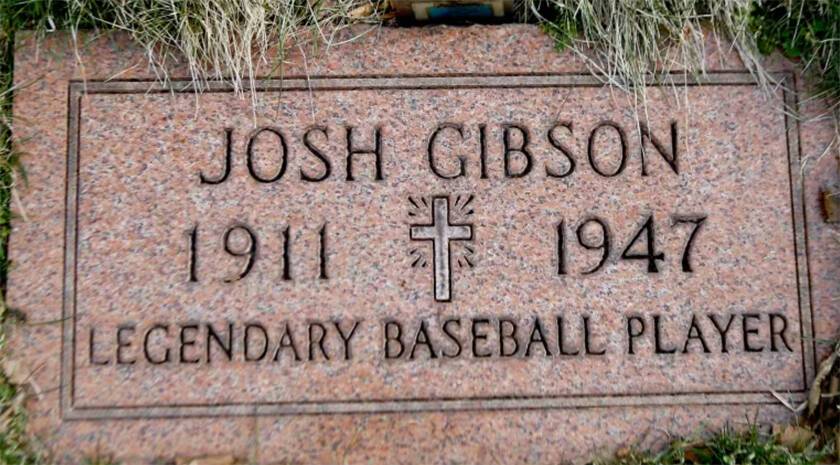
Josh Gibson died young at age 35, with his grave marker telling visitors he was a “legendary baseball player.” Now he is baseball’s batting average champ.
The Negro League stars generally played fewer games than White players of the same era, so the top parts of leader boards for many of the counting statistics — hits, home runs, strikeouts, etc. — are unchanged.
But rate stats, which speak to how effective a player was without being subject to scheduling, reveal a much different picture.
Here are 10 things to know as MLB’s statistical history changes forever:
• Josh Gibson is the new single-season batting, slugging and OPS champion
No one’s absence from the MLB record books was more glaring than Gibson’s. His .466 average with the 1943 Homestead Grays is now MLB’s highest ever.
His .974 slugging percentage from the 1937 season now leads all seasons in that category, too. And his 1.474 OPS season in 1937 and 1.435 OPS in 1943 are now the two most prolific seasons in that category, relegating Barry Bonds (1.421 in 2004) to third all-time.
• Gibson is now the all-time batting, slugging, and OPS leader
Gibson finished his career with a .372 batting average, five points ahead of Ty Cobb for the best in history.
He compiled a .718 slugging percentage, 28 points higher than now-second-place finisher Ruth.
And his 1.177 career OPS rewrote the top of that career leader board, which now reads Gibson, Ruth (1.164), Ted Williams (1.116).
• Oscar Charleston measures as one of the greatest hitters of all time
The recalibration of the record books reinforces the idea that Charleston, an early Negro Leagues outfielder who was inducted into the Baseball Hall of Fame in 1976, should be remembered as one of the greatest hitters in the early history of the sport.
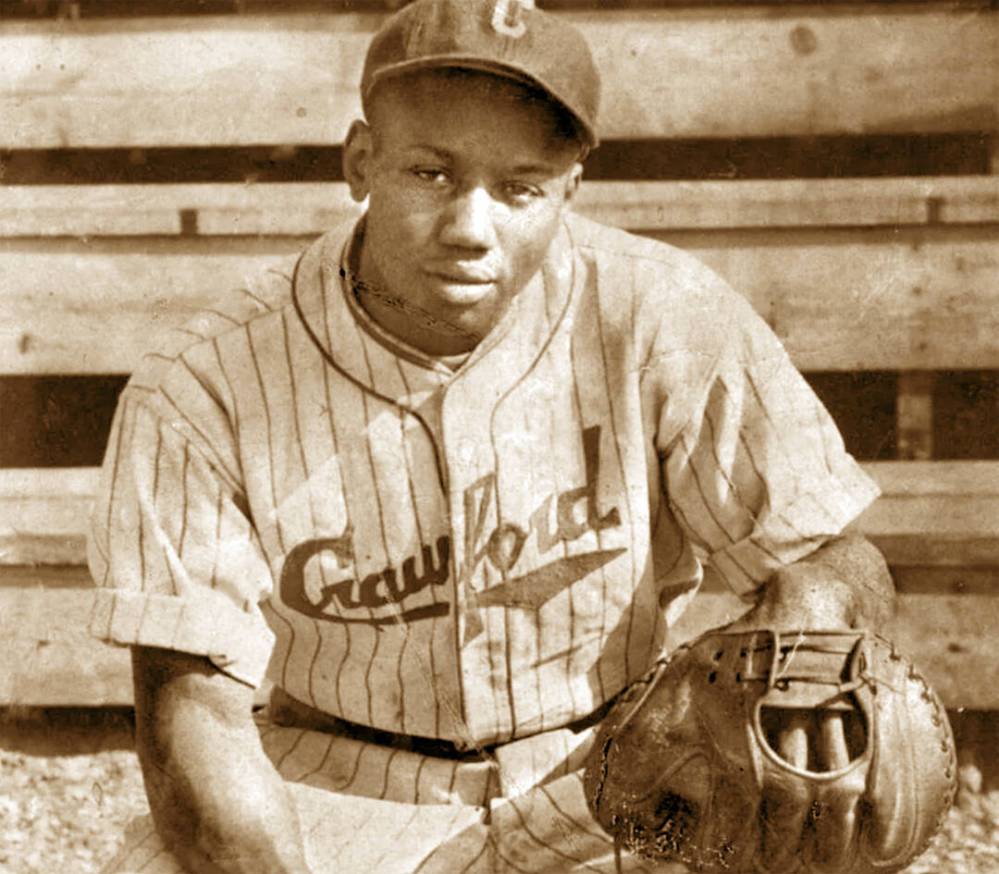
Josh Gibson is shown in an undated photo. He played for the Homestead Grays and Pittsburgh Crawfords in a career that lasted from 1930 to 1946. (Wire Service photos)
His .363 career batting average now sits third all-time behind only Cobb and Gibson. His 1.061 career OPS is now fifth all-time, behind Gibson, Ruth, Williams and Lou Gehrig, and ahead of Barry Bonds.
He turned in two of the 10 best seasons by batting average in baseball history, with a .434 average in 1921 and a .427 showing in 1925. For reference, Rogers Hornsby hit .424 for St. Louis in 1924.
• So does Buck Leonard
Not far behind Charleston on the top 10 lists for many career offensive stats is Buck Leonard, who batted behind Gibson in the Homestead Grays lineup for much of their collective heydays.
Leonard (.345) now stands 8th all-time, ahead of batting average legends Tris Speaker (.345) and Williams (.344).
His .448 career on-base percentage is now sixth all-time, ahead of Gehrig (.447) and Bonds (.444). And his 1.042 OPS is seventh-best, just behind Bonds and ahead of Jimmie Foxx.
• Satchel Paige had an incredible 1944 season
When people think of miraculous pitching seasons, they often point to Bob Gibson’s dominant 1968 season, in which he pitched to a 1.12 ERA.
Real history buffs cite Christy Mathewson or Walter Johnson, both of whom finished full seasons with 1.14 ERAs in the early 1900s.
Paige was more dominant than all of them in the 1944 season, pitching to a 1.01 ERA (over, it should be noted, fewer innings than the others), striking out more than a batter per inning, and holding opponents to a .179 batting average.
• Actually, Paige had a lot of incredible seasons
Because Paige threw fewer officially recorded innings than his White contemporaries during the height of his Negro League career, he does not stack up against them when it comes to things like strikeout totals or career wins.
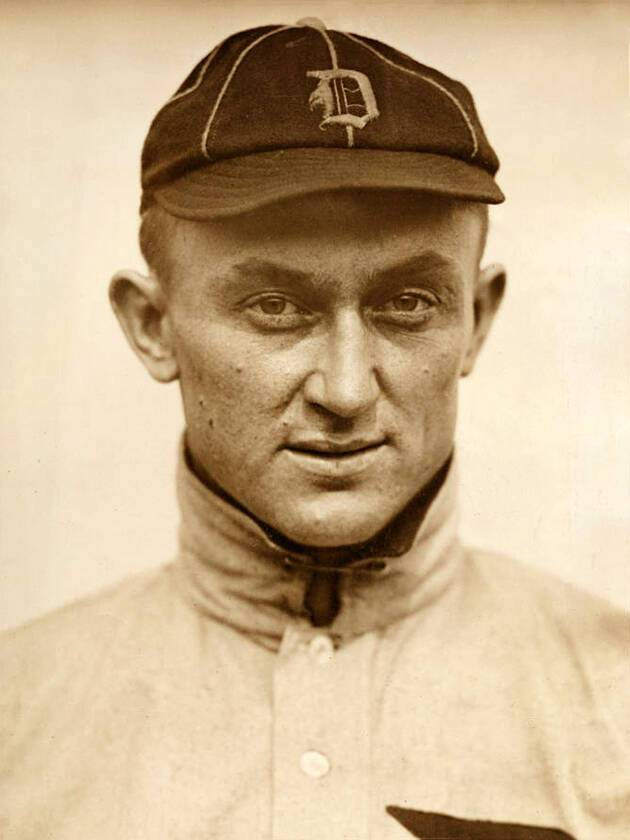
Josh Gibson became Major League Baseball’s career batting leader with a .372 average, surpassing Ty Cobb, as Negro Leagues statistics were incorporated as part of a three-year research project. This is a portrait of Cobb taken in 1913.
But his 82 wins and 1,484 strikeouts came in 125 outings over 1,725 innings, for an average of 7.74 strikeouts per nine innings.
That’s the 29th highest strikeouts-per-nine ratio in MLB history, just behind CC Sabathia, and ahead of Gibson’s career number of 7.22. His 1.11 career WHIP is 18th all-time, same as Sandy Koufax.
• Dave Brown joins the list of pitching’s greatest short-lived stars
Dave Brown only pitched six years in the Negro Leagues, per MLB’s counted statistics.
His career ended early when he was accused of killing a man and fled authorities, disappearing into anonymity until a dogged biographer from the Society of American Baseball Research tracked his story down years after his death.
But when he did pitch, he was excellent. His 2.24 career ERA now sits eighth all-time, just behind legends Walter Johnson and Rube Waddell. His 1.08 career WHIP is 10th in history, tied with Max Scherzer.
• Minnie Miñoso joins the 2,000-hit club
Cuban infielder Minnie Miñoso was already known to many baseball fans as one of the better all-around infielders of the 1950s and as a trailblazer with the Chicago White Sox.
His legacy in both roles has gained appreciation over the years, and he was inducted into Cooperstown in 2022.
But until he was credited for his work in the Negro Leagues from 1946-1948, Miñoso could not claim membership to the esteemed 2,000-hit club, having finished his time in the majors 37 hits shy.
Now he sits at 2,113 hits, the 255th player ever to cross the 2,000-hit threshold.
• Willie Mays and Jackie Robinson’s career numbers changed, too
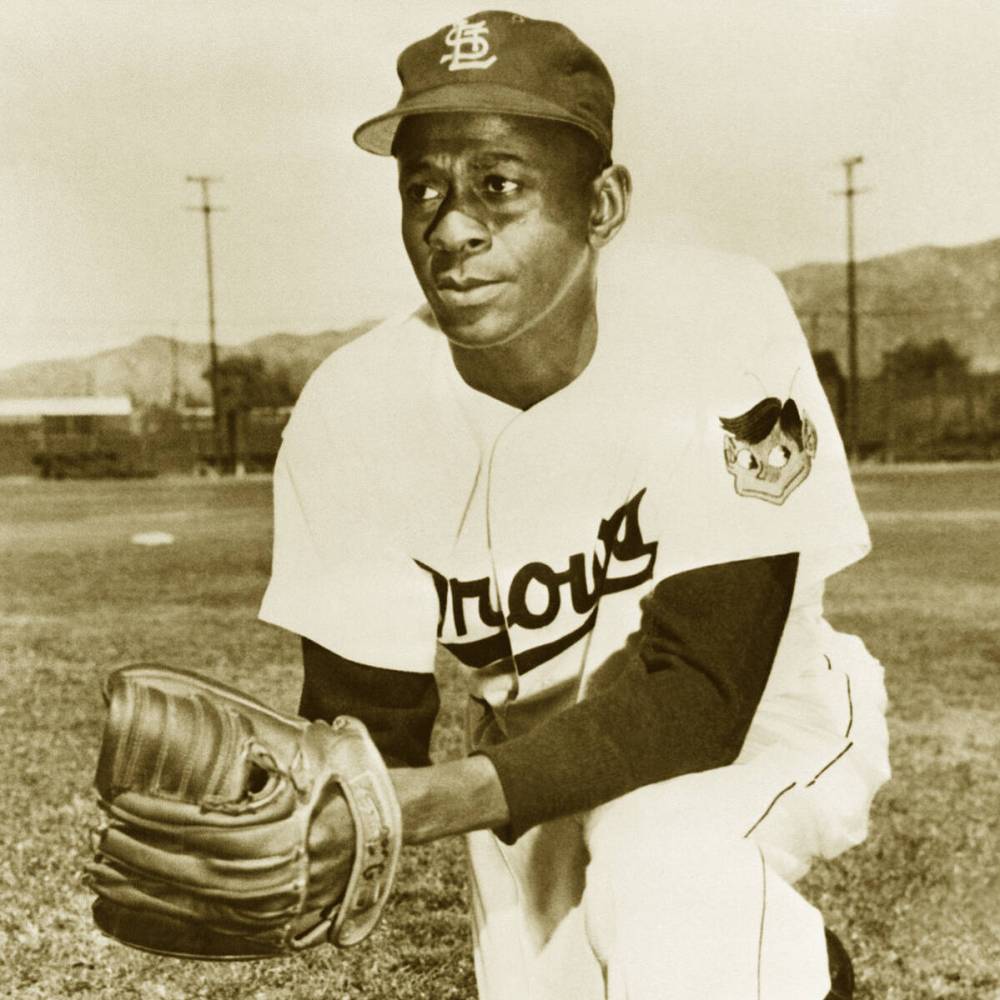
When people think of miraculous pitching seasons, they often point to Bob Gibson’s dominant 1968 season, in which he pitched to a 1.12 ERA. Real history buffs cite Christy Mathewson or Walter Johnson, both of whom finished full seasons with 1.14 ERAs in the early 1900s. Satchel Paige was more dominant than all of them in the 1944 season, pitching to a 1.01 ERA in fewer innings pitched.
Since both Mays and Robinson spent brief periods in the Negro Leagues, their already legendary numbers changed Wednesday.
Robinson’s career hit total jumped to 1,567, thanks to his work with the Kansas City Monarchs.
Mays’ 10 hits with the Birmingham Black Barons pushed him to 3,293 career hits, solidifying his place as 13th all-time.
• And there are so many more names to know
Those perusing new leader boards will find several less familiar names in the top 10s alongside those mentioned above.
Jud Wilson, who played for the Grays among several other teams, hit .351 in his career, which is now fifth all-time in that category.
Just behind him at .348 is Turkey Stearnes, an outfielder who also now sits sixth all-time in career slugging percentage.
Mule Settles, also known for remarkable power, is fifth all-time in slugging at .351. Stearnes and Settles are now ninth and 10th all-time in OPS, just ahead of Hank Greenberg and Hornsby.
» Wire Service