
Unpaid hydro bills: Quebec says Indigenous protest ‘not a good solution’
Advertisement
Read this article for free:
or
Already have an account? Log in here »
We need your support!
Local journalism needs your support!
As we navigate through unprecedented times, our journalists are working harder than ever to bring you the latest local updates to keep you safe and informed.
Now, more than ever, we need your support.
Starting at $15.99 plus taxes every four weeks you can access your Brandon Sun online and full access to all content as it appears on our website.
Subscribe Nowor call circulation directly at (204) 727-0527.
Your pledge helps to ensure we provide the news that matters most to your community!
To continue reading, please subscribe:
Add Brandon Sun access to your Free Press subscription for only an additional
$1 for the first 4 weeks*
*Your next subscription payment will increase by $1.00 and you will be charged $20.00 plus GST for four weeks. After four weeks, your payment will increase to $24.00 plus GST every four weeks.
Read unlimited articles for free today:
or
Already have an account? Log in here »
Hey there, time traveller!
This article was published 24/09/2024 (544 days ago), so information in it may no longer be current.
Quebec’s minister responsible for relations with First Nations and Inuit says northern communities can’t opt out of paying their electricity bills.
Ian Lafrenière was reacting to a Radio-Canada report that found that members of some Indigenous communities hadn’t paid their electricity for years, resulting in a $250-million bill the utility is reportedly unsure how to collect.
The report said the 15 or so communities who are behind on payment are mostly Cree and Innu nations in parts of the province where Hydro-Québec operates dams or is planning wind farms.
Hydro-Québec confirmed in a statement that it had decided not to cut service to any First Nation or Inuit communities as part of a wider reflection on “economic reconciliation.”
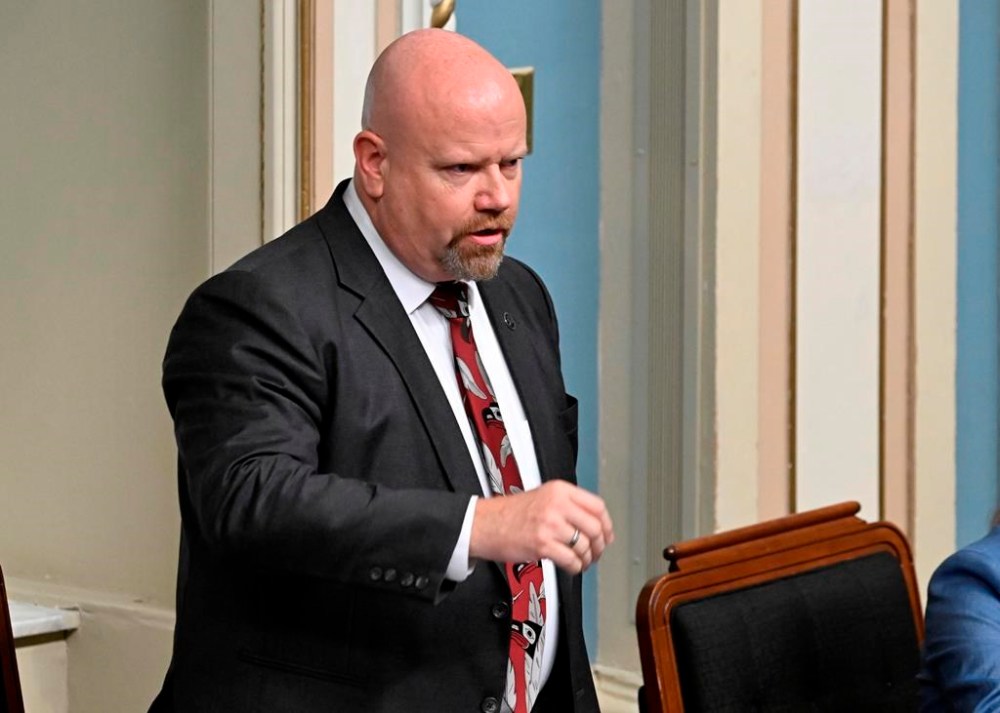
Lafrenière told the legislature that there are communities who have had bad experiences with Hydro-Québec in the past, but he says refusing to pay their bills is the wrong way to send that message.
He says he wants to work with both sides to negotiate a resolution.
“We cannot take justice into our own hands,” he said in Quebec City, noting that the majority of Indigenous hydro clients pay their bills.
Both the Parti Québécois and the Quebec Liberal Party told the legislature the situation could not be allowed to go on.
PQ Leader Paul St-Pierre Plamondon said there doesn’t seem to be equity between hydro customers.
“What we’re saying is that there are people who pay their bills, and if they don’t there are consequences,” he said. “And there are others who don’t need to pay their bills … I don’t see how it will work in terms of equity.”
Québec solidaire’s Gabriel Nadeau-Dubois called for dialogue, saying that Hydro-Québec was created “as if Indigenous people didn’t exist.”
“The path of dialogue and negotiation is to be favoured so that we recognize the rights of all First Nations and pave the way for better relations in the future,” he said.
The Assembly of First Nations Quebec-Labrador was not immediately available for comment.
This report by The Canadian Press was first published Sept. 24, 2024.