
Supreme Court dismisses appeal for Alberta man convicted in Métis hunter killings
Advertisement
Read this article for free:
or
Already have an account? Log in here »
We need your support!
Local journalism needs your support!
As we navigate through unprecedented times, our journalists are working harder than ever to bring you the latest local updates to keep you safe and informed.
Now, more than ever, we need your support.
Starting at $15.99 plus taxes every four weeks you can access your Brandon Sun online and full access to all content as it appears on our website.
Subscribe Nowor call circulation directly at (204) 727-0527.
Your pledge helps to ensure we provide the news that matters most to your community!
To continue reading, please subscribe:
Add Brandon Sun access to your Free Press subscription for only an additional
$1 for the first 4 weeks*
*Your next subscription payment will increase by $1.00 and you will be charged $20.00 plus GST for four weeks. After four weeks, your payment will increase to $24.00 plus GST every four weeks.
Read unlimited articles for free today:
or
Already have an account? Log in here »
Hey there, time traveller!
This article was published 19/02/2025 (290 days ago), so information in it may no longer be current.
OTTAWA – Canada’s top court has dismissed the appeal of an Alberta man convicted of manslaughter for aiding his son in the killings of two Métis hunters.
Roger and Anthony Bilodeau confronted Maurice Cardinal and Jacob Sansom in 2020, shot them and left them on the side of a road near Glendon, Alta.
The pair were found guilty of manslaughter, and Anthony Bilodeau was also convicted of second-degree murder.
Roger Bilodeau was sentenced to 10 years.
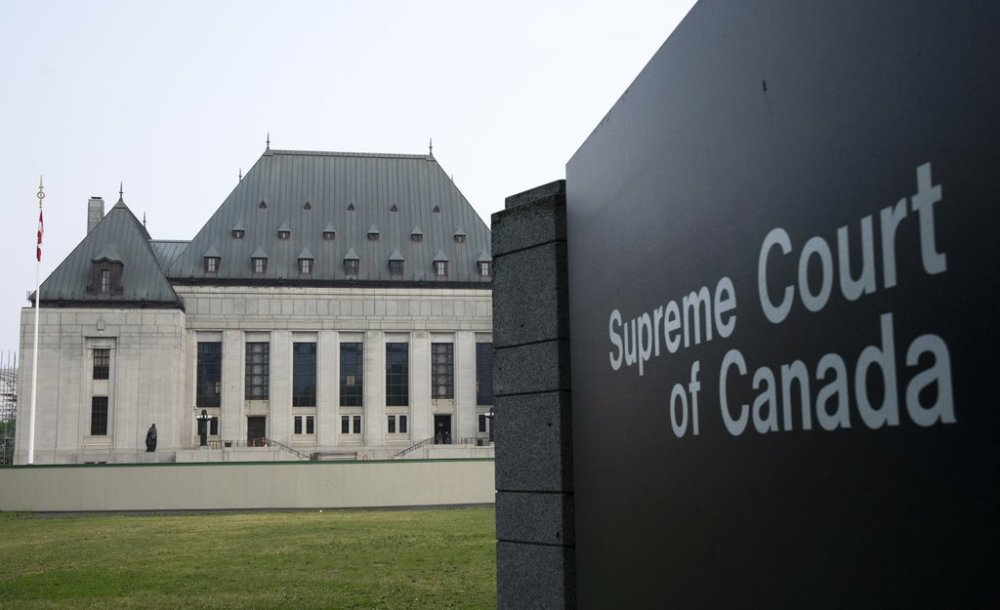
The Supreme Court of Canada says it dismissed his conviction appeal for the same reasons outlined by the Alberta Court of Appeal in 2024.
Lawyers had argued the trial judge made errors in instructions to the jury, but the Appeal Court found the errors benefited Roger Bilodeau and there was no miscarriage of justice.
A dissenting Appeal Court judge would have allowed the appeal and ordered a new trial, as she found legal errors in the charge not identified by the majority judges.
Note to readers:This is a corrected story. A previous version said a dissenting Supreme Court judge would have allowed the appeal.