
Alberta boy, 13, sentenced to secure custody for trying to kill younger brother
Advertisement
Read this article for free:
or
Already have an account? Log in here »
We need your support!
Local journalism needs your support!
As we navigate through unprecedented times, our journalists are working harder than ever to bring you the latest local updates to keep you safe and informed.
Now, more than ever, we need your support.
Starting at $15.99 plus taxes every four weeks you can access your Brandon Sun online and full access to all content as it appears on our website.
Subscribe Nowor call circulation directly at (204) 727-0527.
Your pledge helps to ensure we provide the news that matters most to your community!
To continue reading, please subscribe:
Add Brandon Sun access to your Free Press subscription for only an additional
$1 for the first 4 weeks*
*Your next subscription payment will increase by $1.00 and you will be charged $20.00 plus GST for four weeks. After four weeks, your payment will increase to $24.00 plus GST every four weeks.
Read unlimited articles for free today:
or
Already have an account? Log in here »
LETHBRIDGE – An Alberta judge sentenced a 13-year-old boy Wednesday to three years in an intense rehabilitation program for trying to stab his younger brother to death.
The attacker was 12 when he repeatedly stabbed the seven-year-old in the family’s Lethbridge home last August.
Police have said the older boy had claimed an unknown man had entered the house and stabbed his brother before fleeing.
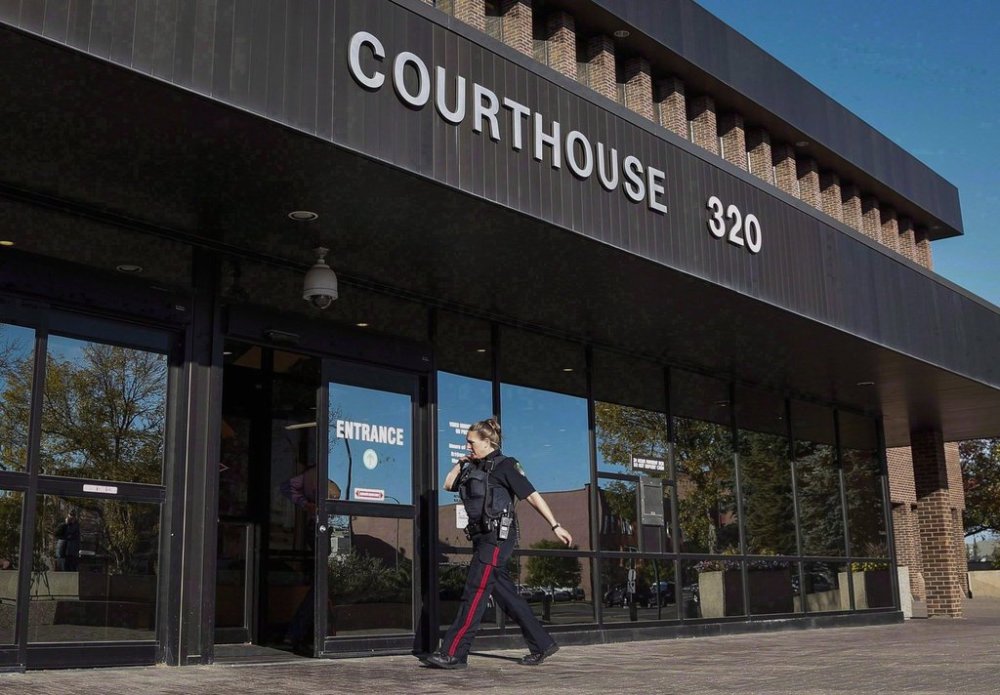
The boy, who earlier pleaded guilty to attempted murder, cannot be identified under the Youth Criminal Justice Act.
Justice Ryan Anderson broke down the sentence into two years of secure custody and one year of conditional supervision, all under the Intensive Rehabilitation and Custody Supervision program. It provides treatment for youth who have mental health issues and are convicted of violent offences.
Crown prosecutor Lauren Atkinson told the court the program is often only applied to youth with “some level of serious mental health diagnoses” who commit a very serious, violent offence.
She said the offender has expressed remorse for the stabbing.
“What we have is one of the highest degrees of violence that we see in the courtroom,” said Atkinson.
“However, we also are balancing this against the fact that we have a young person with several diagnoses and unfortunately has not, up until this point, had any opportunity to address any of them.”
The Crown and defence both recommended the sentence, which is the most severe for youth convicted of attempted murder without being sentenced as an adult.
The boy’s remaining aggravated assault charge was withdrawn.
Defence lawyer Greg White said the sentence is in the best interest of the offender.
The Youth Criminal Justice Act is not meant to punish but to rehabilitate, reintegrate and lay out meaningful consequences, White said.
“We want to help these young persons whose brains aren’t fully developed, we appreciate that, to have the best opportunity to become productive members of society,” he said outside court.
The offender was also ordered to provide a DNA sample and will be under a weapons ban for a decade.
After about one year, court can consider reviewing the sentence to transition the boy from secure to open custody.
This report by The Canadian Press was first published Feb. 11, 2026.