
Human error blamed for fatal wait
Advertisement
Read this article for free:
or
Already have an account? Log in here »
We need your support!
Local journalism needs your support!
As we navigate through unprecedented times, our journalists are working harder than ever to bring you the latest local updates to keep you safe and informed.
Now, more than ever, we need your support.
Starting at $15.99 plus taxes every four weeks you can access your Brandon Sun online and full access to all content as it appears on our website.
Subscribe Nowor call circulation directly at (204) 727-0527.
Your pledge helps to ensure we provide the news that matters most to your community!
To continue reading, please subscribe:
Add Brandon Sun access to your Free Press subscription for only an additional
$1 for the first 4 weeks*
*Your next subscription payment will increase by $1.00 and you will be charged $20.00 plus GST for four weeks. After four weeks, your payment will increase to $24.00 plus GST every four weeks.
Read unlimited articles for free today:
or
Already have an account? Log in here »
WINNIPEG — A Manitoba woman who was told she needed heart surgery immediately — but died after waiting more than two months — had been put on a long-term wait list instead of an urgent one, her family said Wednesday.
The children of Debbie Fewster, who died in 2024, have been pushing for a law that would require health-care providers to inform patients waiting for lifesaving treatment about an estimated wait time and a maximum recommended wait time.
“What led to mom’s death is tragically simple and preventable,” her daughter, Colleen Dyck, said at a downtown news conference Wednesday that was organized by think-tank SecondStreet.org.
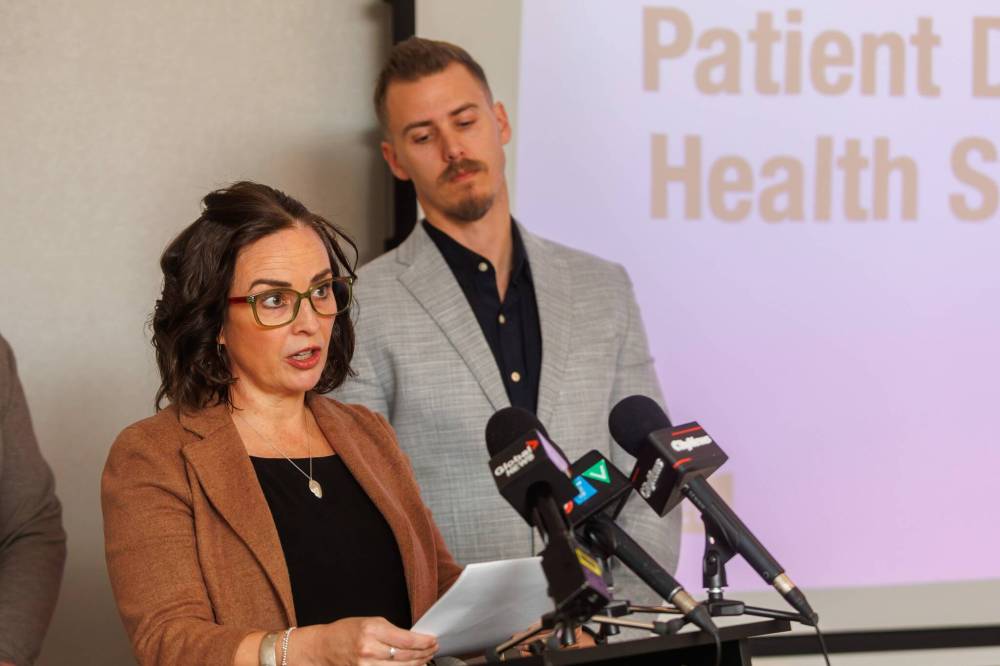
Debbie Fewster’s children, Colleen Dyck (left) and Daniel Fewster, are pushing for legislative changes following their mother’s death in 2024. (MIke Deal/Winnipeg Free Press)
“A booking form was filled out incorrectly and her file was placed in the wrong pile — human error. But human error should not cost someone their life,” Dyck said Wednesday.
Fewster was a 69-year-old grandmother from Niverville. Dyck and her brother, Daniel Fewster, had a meeting with St. Boniface Hospital officials recently and learned that a doctor had put their mom’s surgical file in the wrong pile.
Dyck said they’re aware of tremendous demands on the health-care system, and don’t blame any individual. “People make thousands of right decisions and yet are left carrying the consequences of one bad day, one bad moment,” she said.
“We reject any attempt to scapegoat individuals working in a system that is failing them just as much as it’s failing patients. This is about accountability — and that accountability belongs to the government,” Dyck said.
Fewster’s children supported Progressive Conservative health critic Kathleen Cook’s unsuccessful private member’s bill dubbed “Debbie’s Law,” which proposed to require health authorities to tell patients when they cannot provide life-saving treatment within the medically recommended time and to advise them when to seek help outside Manitoba.
“Our hope is simple — to create a non-negotiable structure that guarantees patients are informed of all their options when recommended timelines can’t be met,” Dyck said. “It’s not a big ask. If the system cannot provide timely care, patients must be told what other alternatives exist, whether that means treatment in another province or another country.”
The measures proposed in Debbie’s Law could have caught the human error and possibly saved her life, Cook said Wednesday. “Debbie Fewster could have flagged the error, or taken steps to get the care she needed elsewhere, and perhaps she would still be alive today,” the health critic said in an email.
Dyck and her brother provided an update on their mom’s case and changes to the system, which they say fall far short of what’s needed.
In March 2025, Health Minister Uzoma Asagwara issued a ministerial directive to give heart patients and their families a better sense of their particular situation. A freedom of information request by Second.Street.org said that, as of Feb. 16, there was no record of that ministerial directive having been received by St. Boniface Hospital. Asagwara said Wednesday that it was a verbal directive and it was carried out. The steps taken to improve communications with cardiac patients and track surgery wait times are spelled out in an April 11, 2025, memo from Shared Health that was provided by the health minister’s press secretary.
From March 2025 to Feb. 19, 2026, 113 notices were sent to patients with their targeted surgery time — but not the recommended wait, a second freedom in information request showed.
Dyck acknowledged Asagwara’s recent introduction of bills to establish a patient safety charter and patient advocates.
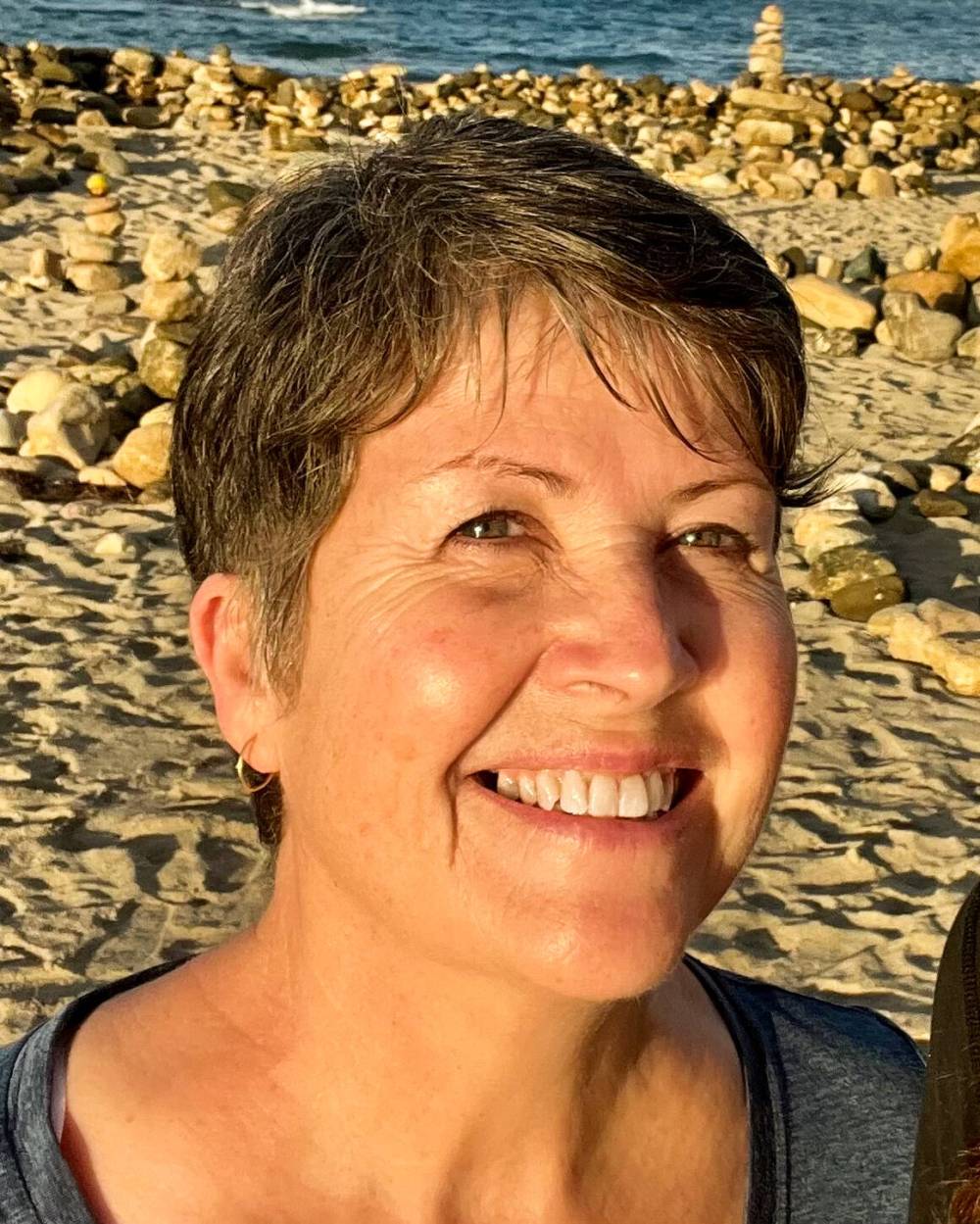
Debbie Fewster died while waiting for triple bypass surgery. (Supplied)
“Manitobans should have clear expectations and have support navigating a very confusing system, especially in a time of crisis,” Dyck said.
“What Bill 27 does not answer is the most urgent question patients face: what happens when care cannot be delivered on time?” she said.
“Where’s the internal accountability? What resources are being committed and from where? Where is the transparent tracking of wait times and outcomes? Where’s the reporting on how many patients are deteriorating or dying while waiting?
“If we’re not measuring these things, how can we confidently say the system’s working?”
More transparency could’ve saved Fewster and spared her family a lot of grief, said SecondStreet.org president Colin Craig.
“If they had known at the start that the system was putting their mother’s life at risk, they would have scraped together the money so that they could pay for her to have treatment abroad,” Craig said. “In other words, transparency could help save lives.”
» Winnipeg Free Press