
NDP pushing for ban on AI surveillance pricing as Lewis makes Parliament Hill debut
Advertisement
Read this article for free:
or
Already have an account? Log in here »
We need your support!
Local journalism needs your support!
As we navigate through unprecedented times, our journalists are working harder than ever to bring you the latest local updates to keep you safe and informed.
Now, more than ever, we need your support.
Starting at $15.99 plus taxes every four weeks you can access your Brandon Sun online and full access to all content as it appears on our website.
Subscribe Nowor call circulation directly at (204) 727-0527.
Your pledge helps to ensure we provide the news that matters most to your community!
To continue reading, please subscribe:
Add Brandon Sun access to your Free Press subscription for only an additional
$1 for the first 4 weeks*
- Enjoy unlimited reading on brandonsun.com
- Read the Brandon Sun E-Edition, our digital replica newspaper
*Your next Free Press subscription payment will increase by $1.00 and you will be charged $20.95 plus GST for four weeks. After four weeks, your payment will increase to $24.95 plus GST every four weeks.
Read unlimited articles for free today:
or
Already have an account? Log in here »
OTTAWA – The NDP is expected to introduce a motion on Wednesday calling on the government to ban a practice known as surveillance pricing that New Democrats say is unfair to consumers.
The text of the motion describes the practice as companies using a customer’s personal data, like search history or how long they stay on a web page, to increase prices both in store and online.
NDP Leader Avi Lewis said Monday examples of this can include a parent with a sick baby being charged a higher price for a thermometer or medicine based on internet search history.
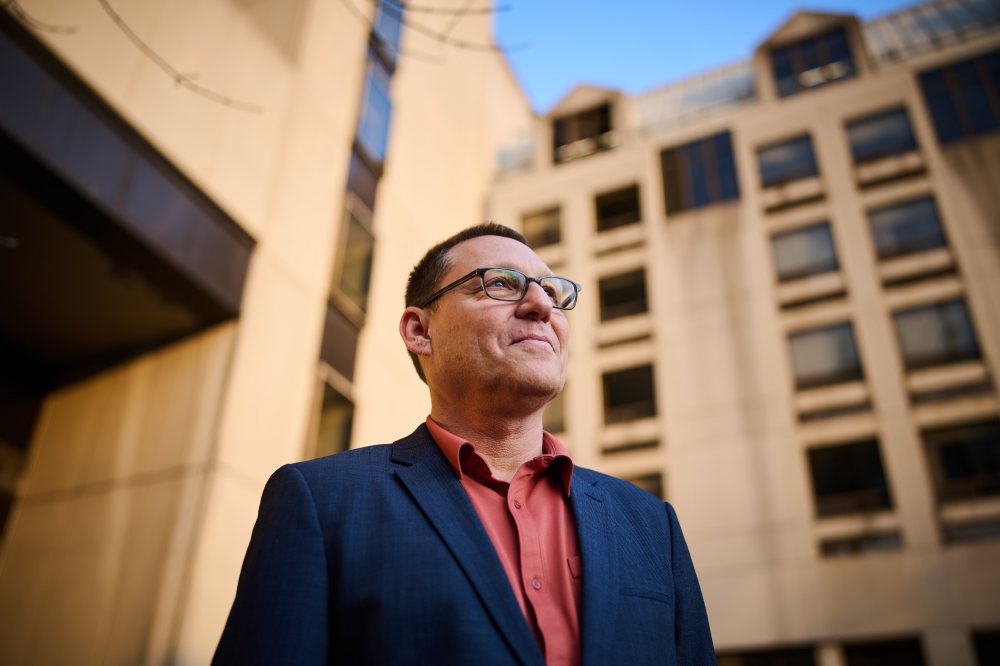
“This means that two different people could pay two different prices for the exact same product in the same store or on the same website on the day. It’s unfair, it’s a ripoff, and it’s downright creepy. And it’s time to put a stop to it,” Lewis said.
“If we’re serious about protecting Canadians from price gouging, we must reckon with the shadowy and destructive influence of big tech and big data in supercharging it. We can’t wait until we inhabit a dystopian retail landscape where every individual is their own target market.”
The Manitoba NDP government introduced legislation to ban the practice provincially last month.
Lewis said he wants to see the idea be adopted federally as there are mechanisms Ottawa can employ that provinces don’t have access to.
A recent poll from Abacus Data suggests 52 per cent of Canadians want to see this practice banned. Thirty-one per cent of respondents said the practice should be allowed, but strictly regulated.
Lewis said he believes the NDP can get the government on board with the idea, as the Liberals will likely have a majority government by the time the motion is put up for a vote.
“The reason we’re talking about surveillance pricing today is in part to make this real for Canadians in a cost of living emergency, that the government needs to step up and actually govern and regulate the powers that determine every click on online shopping and every choice we make in the supermarket — for that to be fuel for price gouging is utterly unacceptable,” Lewis said.
This was Lewis’ first event on Parliament Hill since becoming NDP leader last month.
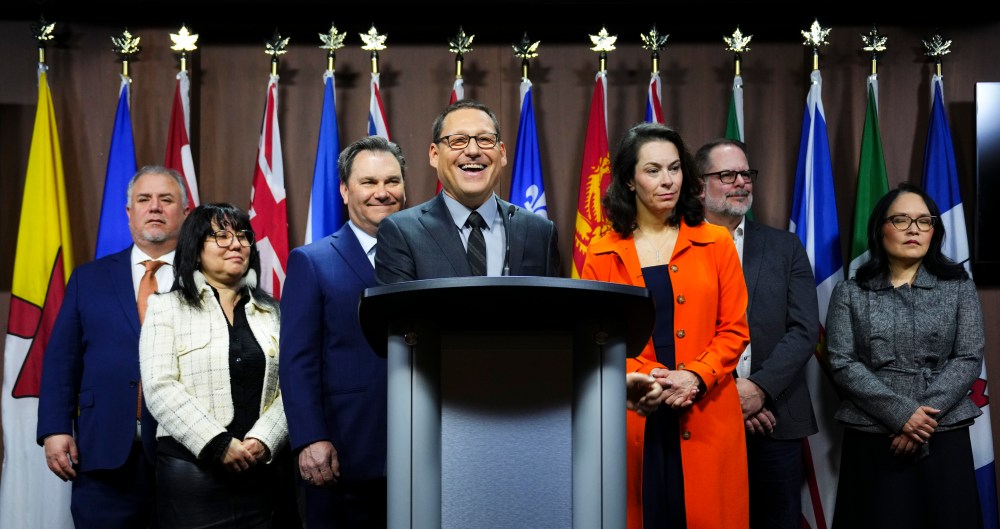
With the Liberals one seat shy of a majority government, and three byelections on Monday night that could tip the scales of power, Lewis said his party will use a variety of tactics to get their message out.
That message includes pushing for higher corporate taxes on “windfall” profits expected for energy companies as the war in Iran and blockades at the Strait of Hormuz drive up oil prices.
“We’re going to see tens of billions of additional revenue for oil companies in Canada while we are all sobbing at the pump,” Lewis said.
“We need windfall profit taxes for corporations that are going to make a mint on this crisis, and we need protections for consumers, price caps, and other measures that we fought for in the past.”
This report by The Canadian Press was first published April 13, 2026.