
Carney calls for resumption of shipping during Strait of Hormuz talks
Advertisement
Read this article for free:
or
Already have an account? Log in here »
We need your support!
Local journalism needs your support!
As we navigate through unprecedented times, our journalists are working harder than ever to bring you the latest local updates to keep you safe and informed.
Now, more than ever, we need your support.
Starting at $15.99 plus taxes every four weeks you can access your Brandon Sun online and full access to all content as it appears on our website.
Subscribe Nowor call circulation directly at (204) 727-0527.
Your pledge helps to ensure we provide the news that matters most to your community!
To continue reading, please subscribe:
Add Brandon Sun access to your Free Press subscription for only an additional
$1 for the first 4 weeks*
*Your next subscription payment will increase by $1.00 and you will be charged $20.00 plus GST for four weeks. After four weeks, your payment will increase to $24.00 plus GST every four weeks.
Read unlimited articles for free today:
or
Already have an account? Log in here »
OTTAWA – Canada welcomes efforts to reopen the Strait of Hormuz and stands with Persian Gulf states hit by strikes during the Iran war, Prime Minister Mark Carney told world leaders on Friday.
The Prime Minister’s Office said Carney took part virtually in a meeting with dozens of world leaders to talk about securing the strait. Participating countries also welcomed a reported ceasefire between Israel and Lebanon.
U.S. President Donald Trump and Iran’s foreign minister declared the strait open to commercial vessels on Friday, just as the meeting of some 50 countries was happening.
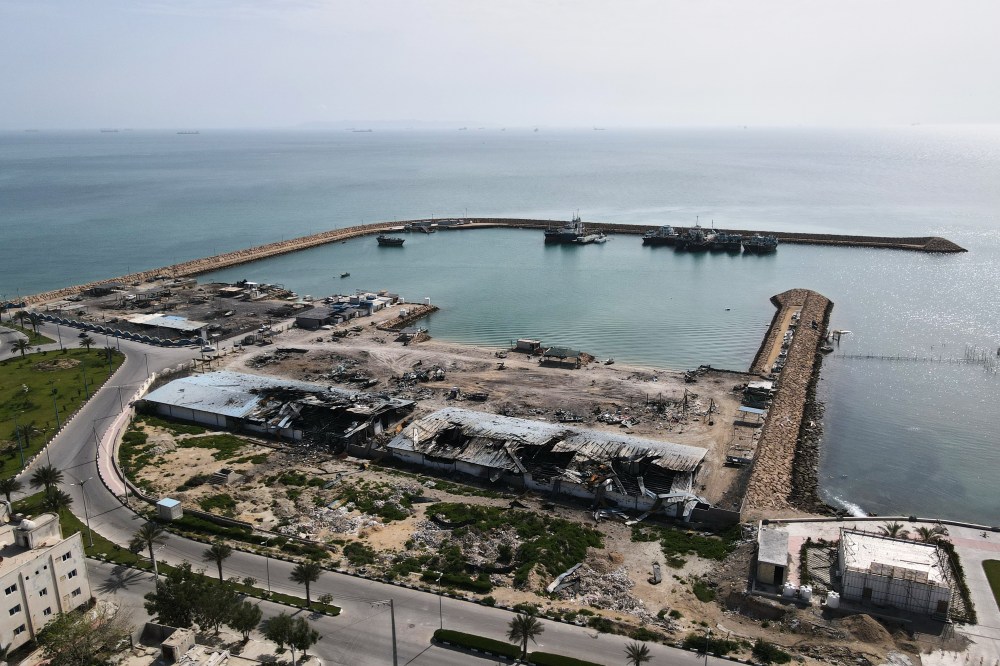
The narrow strait, a key strategic choke point for global exports, was closed off by Iran during its war with the United States, destabilizing the global energy market. Iran had laid mines and opened fire on commercial vessels.
Trump said Iran will now get help from the U.S. to clear the mines from the strait.
Trump imposed a naval blockade earlier in the week to pressure Iran to open the key passage. But the president said that blockade will remain in place until Iran’s leadership reaches a permanent deal with him that also covers Iran’s nuclear weapons program.
Carney’s office said he stressed the need for countries to co-operate to protect commercial shipping through the strait through a “defensive framework grounded in international law.”
The PMO said in a media statement that Canada “stands ready” to help ensure safe passage through diplomatic efforts, and to provide “support for crew safety and security.” It did not mention the prospect of military assistance.
The meeting of world leaders was co-hosted by French President Emmanuel Macron and U.K. Prime Minister Keir Starmer, who were planning a multinational mission to ensure maritime security through the strait.
The U.K. and France were expected to use the meeting to wrangle other countries into helping secure the passage and clear mines from its waters. The U.S. was not part of the plan but German Chancellor Friedrich Merz was seeking to get the U.S. administration involved.
The Canadian Press reached out to multiple top government officials to ask whether Canada would join the effort, given previous comments from Carney’s cabinet about Ottawa’s willingness to join a post-ceasefire plan for the strait. None of them immediately replied.
Defence Minister David McGuinty and Foreign Affairs Minister Anita Anand have both said Canada could help to secure the passage by providing assets such as vessels, intelligence and demining expertise.
They also made it clear Canada would not join the war or help secure the strait until there was a ceasefire.
The meeting of the various nations who had refused to join Trump’s war took place in Paris, though many countries, including Canada, participated through a video call.
Starmer called for a lasting solution for the commercial passageway and military planners were expected to meet in London next week.
The president lashed out at NATO members on his social media website on Friday after announcing the strait would be secured. He called alliance members “useless” when the U.S. needed them.
“Now that the Hormuz Strait situation is over, I received a call from NATO asking if we would need some help,” Trump posted on his Truth Social app. He said he told alliance members to “STAY AWAY, UNLESS THEY JUST WANT TO LOAD UP THEIR SHIPS WITH OIL.”
The terms of the NATO alliance commit its members to helping each other when they are attacked, but the pact does not commit them to helping a fellow member wage an offensive war against another country.
Oil prices fell on news the strait would reopen. Prices had soared following the outbreak of the war on Feb. 28.
About a fifth of the world’s oil is shipped through the passage, along with other key commodities such as fertilizers.
A 10-day truce between Israel and the Iranian-backed militant group Hezbollah in Lebanon started a day before on April 16.
This report by The Canadian Press was first published April 17, 2026.
— With files from The Associated Press