
Saskatchewan child advocate warns of drug exposure deaths in those under age five
Advertisement
Read this article for free:
or
Already have an account? Log in here »
We need your support!
Local journalism needs your support!
As we navigate through unprecedented times, our journalists are working harder than ever to bring you the latest local updates to keep you safe and informed.
Now, more than ever, we need your support.
Starting at $15.99 plus taxes every four weeks you can access your Brandon Sun online and full access to all content as it appears on our website.
Subscribe Nowor call circulation directly at (204) 727-0527.
Your pledge helps to ensure we provide the news that matters most to your community!
To continue reading, please subscribe:
Add Brandon Sun access to your Free Press subscription for only an additional
$1 for the first 4 weeks*
- Enjoy unlimited reading on brandonsun.com
- Read the Brandon Sun E-Edition, our digital replica newspaper
*Your next Free Press subscription payment will increase by $1.00 and you will be charged $20.95 plus GST for four weeks. After four weeks, your payment will increase to $24.95 plus GST every four weeks.
Read unlimited articles for free today:
or
Already have an account? Log in here »
REGINA – Saskatchewan’s child advocate is flagging an emerging pattern of young children who died with fentanyl, methamphetamine and cocaine in their systems.
The findings, released in Lisa Broda’s annual report Wednesday, say the children didn’t take the drugs intentionally but came into contact with the substances in their homes.
It says 13 children under age five died with illicit drugs in their systems, and 29 were hospitalized, between 2019 and 2025.
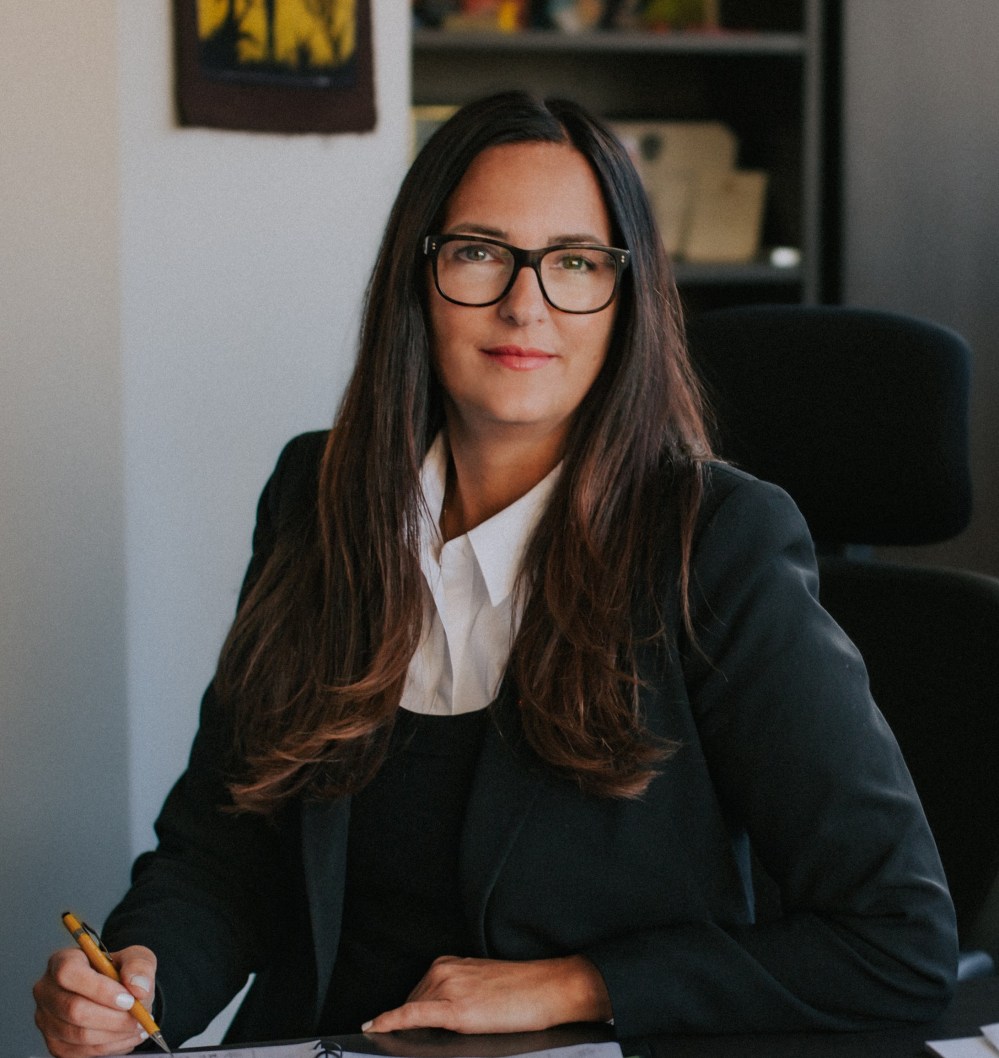
The report also says there were high hospitalization rates for those exposed to sedatives, antiepileptics and hydromorphone.
“This is not OK,” Broda said in an interview.
“I get that the government’s been doing some things at the adult level to try to deal with this toxic drug crisis that we’re in. But let’s not forget that the children are in it, too.”
The report says it’s not known how the children were exposed to the drugs, but they may have been poisoned through ingestion, inhalation or breast milk.
Broda cited studies showing residue can easily spread in home-based drug labs that make methamphetamines.
“They’re babies. You’re constantly holding them, you’re placing them on surfaces and they can crawl around on floors and test counters and things like that,” she said.
Broda’s report found three of the 13 deaths were directly caused by drug exposure and three were due to accident or illness.
The causes of the remaining seven deaths couldn’t be determined, but the report says drug exposure may have exacerbated other stressors in the children’s bodies.
Most of the deaths were among those under one year old.
Social Services Minister Terry Jenson called the findings tragic and said the province would work with the child advocate to improve the system.
“This is something that we’ve taken seriously, when it comes to children being injured or unfortunately (their) end of life,” he said. “That’s not something that I find acceptable in any regard.”
The ministry doesn’t track child protection reports that have specific information of drug use around children, the report says.
But it says having such data would allow the ministry to implement targeted and evidence-based prevention measures.
Jenson said the ministry will speak with the advocate about tracking those child protection reports.
Cases of children dying by drug poisoning correlates with the broader addictions crisis in the province, Broda said.
“Ten years ago, we didn’t have the toxic drug supply like we do today,” she said.
The report also says there has been a lack of services for years. Combined with staffing shortages, it has led to delays in assessments and lengthy wait-lists.
“Young people are struggling more than ever,” the report says, adding that issues have become more complex.
Last year, the advocate’s office was notified of 42 injuries and 30 deaths of children under the care of the ministry.
Broda said the province needs an effective strategy with targeted measures.
“We can’t keep operating like this,” she said.
Jenson said the ministry has hired an additional 90 people in child and family programs to address pressure points.
“(We’re) really working on keeping families together before they go into crisis,” he said. “If there’s an opportunity to be able to do that tracking, we will.”
Matt Love, the Opposition NDP’s education critic, said Premier Scott Moe should meet with Broda so he can listen to her recommendations and take action.
This report by The Canadian Press was first published April 29, 2026.