
Mohamed Harkat, facing deportation, wins round in bid to stay in Canada
Advertisement
Read this article for free:
or
Already have an account? Log in here »
We need your support!
Local journalism needs your support!
As we navigate through unprecedented times, our journalists are working harder than ever to bring you the latest local updates to keep you safe and informed.
Now, more than ever, we need your support.
Starting at $15.99 plus taxes every four weeks you can access your Brandon Sun online and full access to all content as it appears on our website.
Subscribe Nowor call circulation directly at (204) 727-0527.
Your pledge helps to ensure we provide the news that matters most to your community!
To continue reading, please subscribe:
Add Brandon Sun access to your Free Press subscription for only an additional
$1 for the first 4 weeks*
- Enjoy unlimited reading on brandonsun.com
- Read the Brandon Sun E-Edition, our digital replica newspaper
*Your next Free Press subscription payment will increase by $1.00 and you will be charged $20.95 plus GST for four weeks. After four weeks, your payment will increase to $24.95 plus GST every four weeks.
Read unlimited articles for free today:
or
Already have an account? Log in here »
OTTAWA – Algerian-born Mohamed Harkat has won a round in his long-running legal battle to remain in Canada.
In a ruling issued Thursday, Federal Court Justice John Norris says a 2018 government decision that Harkat should not be allowed to stay is unreasonable.
Norris says a key finding — that Harkat was complicit in acts of terrorism committed by Chechen extremists — is not adequately supported by the record or the decision-maker’s reasoning.
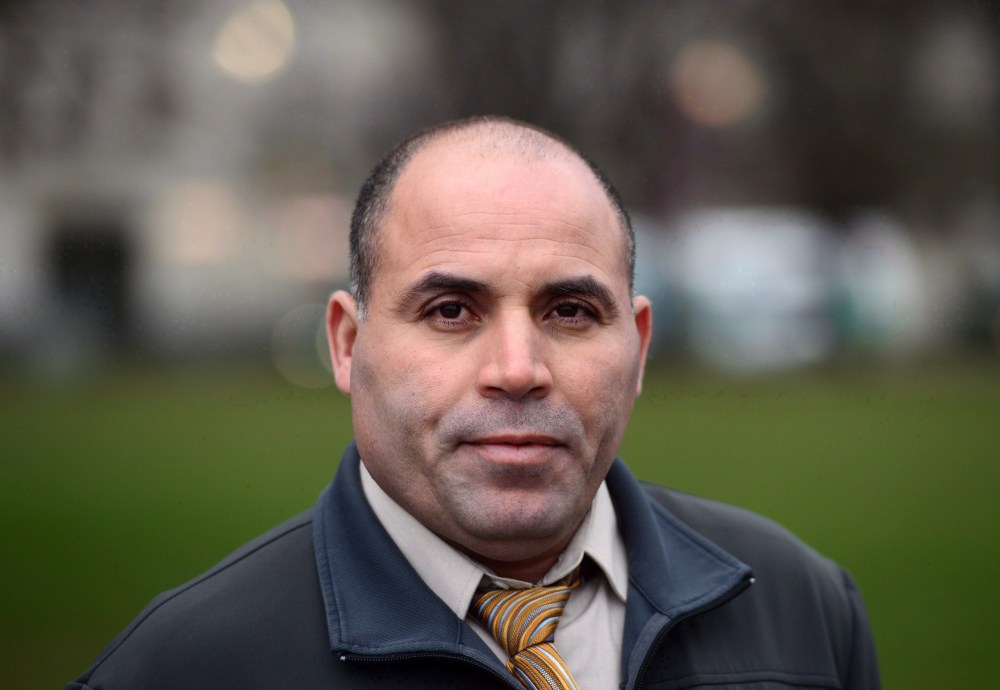
The judge sent the matter back for redetermination by a new delegate of the immigration minister.
Harkat, 57, says he fled strife-ridden Algeria and worked with an aid agency in Pakistan before he arrived in Canada in 1995 using a false Saudi passport. He denies any involvement in terrorism.
The federal government has long been trying to deport the former gas-station attendant using a security certificate — a legal tool for removing non-citizens suspected of ties to extremism or espionage.
Another Federal Court judge who reviewed the certificate ruled in 2010 there were grounds to believe Harkat is a security threat who maintained ties to Osama bin Laden’s terror network after coming to Canada.
Harkat went back to Federal Court to challenge the 2018 decision of a federal delegate that he should not be allowed to remain in Canada. He argues he faces a risk of torture if returned to Algeria.
At the end of the December 2024 court hearing, Norris said he would rule on Harkat’s challenge at a later date.
In his ruling Thursday, Norris said the ministerial delegate’s flawed decision must be set aside and the matter redetermined by a new delegate.
Civil libertarians have criticized the security certificate process as fundamentally unjust because the detainee sees only a summary of the accusations, making them difficult to challenge.
In a 2014 ruling, the Supreme Court of Canada said the security certificate regime does not violate the person’s right to know and contest the allegations they face.
This report by The Canadian Press was first published June 4, 2026.