
Arctic roads, nuclear repository first to be designated as national interest projects
Advertisement
Read this article for free:
or
Already have an account? Log in here »
We need your support!
Local journalism needs your support!
As we navigate through unprecedented times, our journalists are working harder than ever to bring you the latest local updates to keep you safe and informed.
Now, more than ever, we need your support.
Starting at $15.99 plus taxes every four weeks you can access your Brandon Sun online and full access to all content as it appears on our website.
Subscribe Nowor call circulation directly at (204) 727-0527.
Your pledge helps to ensure we provide the news that matters most to your community!
To continue reading, please subscribe:
Add Brandon Sun access to your Free Press subscription for only an additional
$1 for the first 4 weeks*
- Enjoy unlimited reading on brandonsun.com
- Read the Brandon Sun E-Edition, our digital replica newspaper
*Your next Free Press subscription payment will increase by $1.00 and you will be charged $20.95 plus GST for four weeks. After four weeks, your payment will increase to $24.95 plus GST every four weeks.
Read unlimited articles for free today:
or
Already have an account? Log in here »
OTTAWA – Two Arctic roads and a nuclear waste repository in Ontario are the first projects to be put forward by federal government for designation as projects in the national interest under the controversial Building Canada Act.
At an announcement in Yellowknife on Wednesday, three federal ministers said the Grays Bay road and port project, the Mackenzie Valley highway project and the Nuclear Waste Management Organization’s geological repository have been chosen as the ones Ottawa wants to push forward.
They need to go through a consultation process before the designation is confirmed.
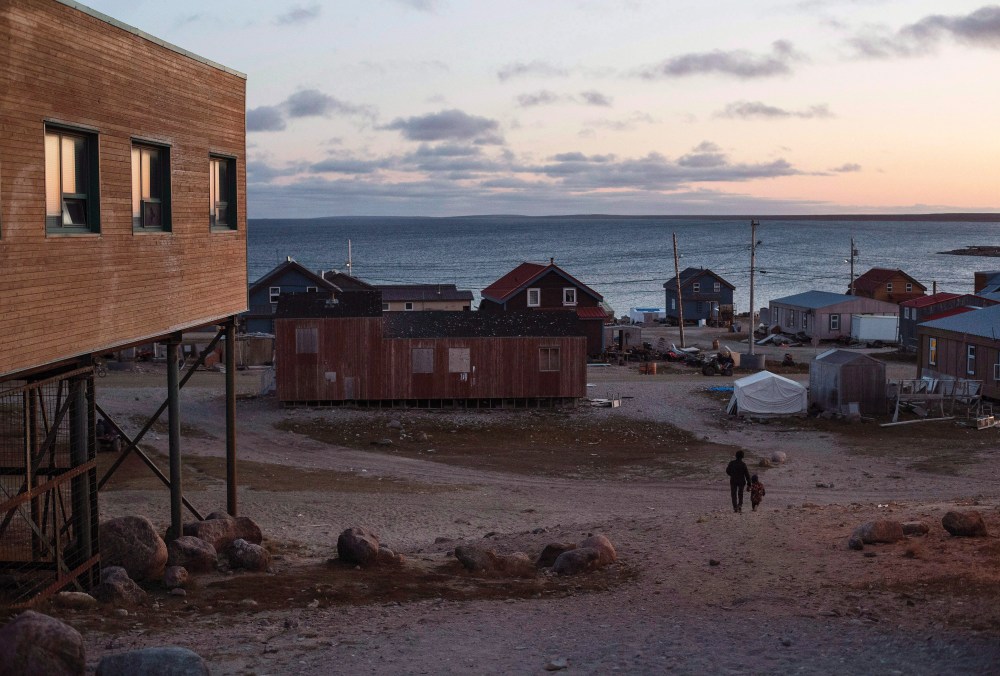
The nuclear waste storage facility has been referred to the major projects office, officials said Wednesday. Grays Bay and the Mackenzie Valley highway were referred to the major projects office in March.
“We all know that the North is central to Canada’s economic future,” Transport Minister Steven MacKinnon told a news conference.
“The Grays Bay road and port project and the Mackenzie Valley highway project are nation-building initiatives. They are about strengthening Arctic sovereignty, creating economic opportunity and supporting the communities that call the North home.”
The Grays Bay road and port project would see a 230-kilometre all-season road built through Northwest Territories and Nunavut, unlocking mining opportunities for critical minerals in the North.
The Mackenzie Valley highway project would see construction of an all-season road from Yellowknife to Inuvik, cutting down travel times and connecting communities currently accessible only by air, winter roads or barges.
At a technical briefing before Wednesday’s announcement, federal officials said construction on Grays Bay isn’t expected to start until 2029, while construction of the final leg of the Mackenzie Valley Highway could start in 2028.
Officials said they’re looking for construction to start on the nuclear waste repository in 2030.
Federal officials said being listed as a project of national interest would allow the federal government to do all of its permitting while projects are still under review, and even allow Ottawa to skirt some of its own environmental laws to get the project built.
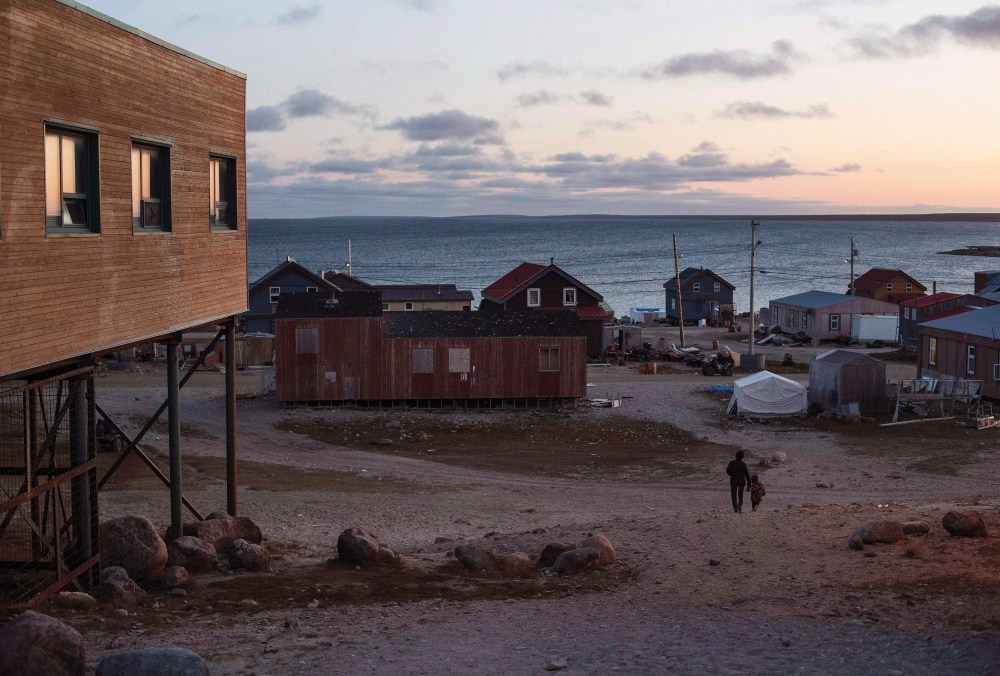
Prime Minister Mark Carney rammed the Building Canada Act through Parliament before the House of Commons rose last summer. Since then, the opposition has criticized him for not using the government’s new powers.
The only other project Ottawa previously indicated it intended to designate as a project in the national interest is a proposed oil pipeline to the West Coast — part of its energy deal with Alberta.
The federal government committed in a memorandum of understanding in November to designate a pipeline as in the national interest. No such project has been submitted for consideration to the major projects office.
The deal set a deadline of July 1 to submit an application.
This report by The Canadian Press was first published June 24, 2026.