
Alberta UCP to invite political scientist, pollster to advise on riding boundaries
Advertisement
Read this article for free:
or
Already have an account? Log in here »
We need your support!
Local journalism needs your support!
As we navigate through unprecedented times, our journalists are working harder than ever to bring you the latest local updates to keep you safe and informed.
Now, more than ever, we need your support.
Starting at $15.99 plus taxes every four weeks you can access your Brandon Sun online and full access to all content as it appears on our website.
Subscribe Nowor call circulation directly at (204) 727-0527.
Your pledge helps to ensure we provide the news that matters most to your community!
To continue reading, please subscribe:
Add Brandon Sun access to your Free Press subscription for only an additional
$1 for the first 4 weeks*
- Enjoy unlimited reading on brandonsun.com
- Read the Brandon Sun E-Edition, our digital replica newspaper
*Your next Free Press subscription payment will increase by $1.00 and you will be charged $20.95 plus GST for four weeks. After four weeks, your payment will increase to $24.95 plus GST every four weeks.
Read unlimited articles for free today:
or
Already have an account? Log in here »
EDMONTON – Alberta’s United Conservative Party government is inviting a political scientist and a pollster to help a panel tasked with redrawing the province’s voting lines.
The legislature committee overseeing the panel has voted to bring on the advisers to offer expertise on voting behaviour.
Kathleen Ganley, an Opposition NDP committee member, said drawing the map based on how a resident might mark a ballot would only harm Albertans’ right to vote.
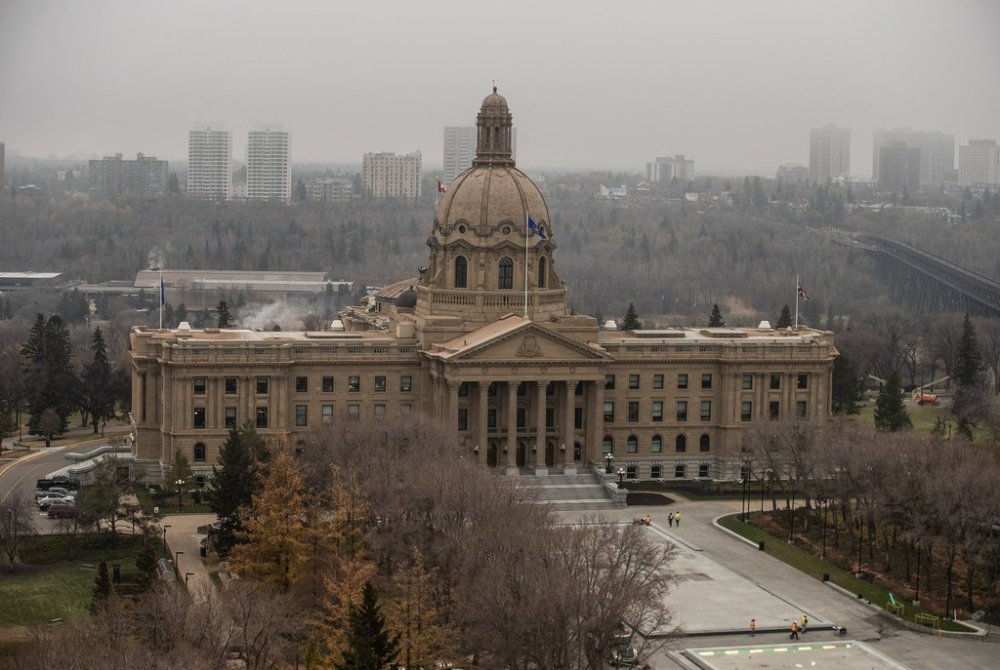
“And all of that will be kept under the dome of secrecy, because the UCP refuses to allow the public to see what they’re doing,” Ganley told a meeting of the committee on Tuesday.
UCP committee member Garth Rowswell said it’s about giving the panel access to people whom it feels can aid the work.
“It’s important to remember that all the committee is doing is approving their ability to hire people that they want to talk to.”
Rowswell said by pushing back, the NDP was trying to intrude on what is meant to be independent work of the panel.
Ganley noted that the panel reports to the committee.
“If you wanted an independent process, all you had to do was to accept the report of the (previous) commission,” she told Rowswell.
UCP committee members also approved allowing the panel chair, retired judge Brian O’Ferralll, to enlist a lawyer to provide legal advice.
It comes after Premier Danielle Smith’s government earlier this year opted to go back to the drawing board on the boundary redrawing process, setting aside most of a report from a previous independent public commission.
The government has said it’s about ensuring there’s fair representation for rural areas. To that end, it also increased the number of new ridings to ensure rural Alberta doesn’t lose any seats as the province’s population shifts to urban areas.
The NDP has said United Conservatives are using rural representation as a way to redraw multiple ridings to rig the next election set for October 2027.
NDP Leader Naheed Nenshi has called the latest redrawing effort Illegitimate. But he said his party agreed to participate in order to try to hold the UCP to account.
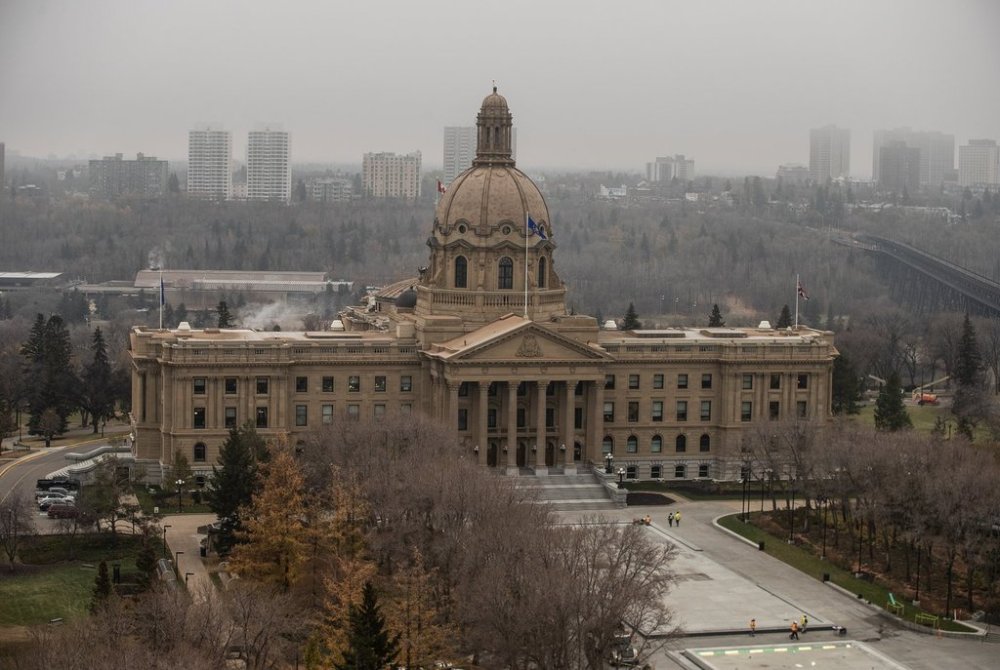
Brandon Lunty, the committee chair and a UCP legislature member, declined to speak with reporters following the meeting.
NDP committee member Christina Gray told reporters that the UCP’s latest changes go beyond the panel’s scope.
She said the NDP’s efforts to at least make the advice from the panel’s advisers made public were also shut down by the UCP.
Ganley said the panel should be determining the map based on things like equal representation, not voter intent.
She said she believes the UCP means to draw the map so that even if a majority of Calgarians vote NDP, they would get majority UCP representation.
“That is the only possible function that these experts could serve. And if the legal advice was going to be about how best to preserve the public interest, I think it would be fair for everyone to have it on the record,” Ganley said.
This report by The Canadian Press was first published June 30, 2026.