
Elections BC allows petition seeking Indigenous law’s repeal to proceed
Advertisement
Read this article for free:
or
Already have an account? Log in here »
We need your support!
Local journalism needs your support!
As we navigate through unprecedented times, our journalists are working harder than ever to bring you the latest local updates to keep you safe and informed.
Now, more than ever, we need your support.
Starting at $15.99 plus taxes every four weeks you can access your Brandon Sun online and full access to all content as it appears on our website.
Subscribe Nowor call circulation directly at (204) 727-0527.
Your pledge helps to ensure we provide the news that matters most to your community!
To continue reading, please subscribe:
Add Brandon Sun access to your Free Press subscription for only an additional
$1 for the first 4 weeks*
- Enjoy unlimited reading on brandonsun.com
- Read the Brandon Sun E-Edition, our digital replica newspaper
*Your next Free Press subscription payment will increase by $1.00 and you will be charged $20.95 plus GST for four weeks. After four weeks, your payment will increase to $24.95 plus GST every four weeks.
Read unlimited articles for free today:
or
Already have an account? Log in here »
Elections BC has granted in-principle approval for a petition to proceed seeking the repeal of British Columbia’s Declaration on the Rights of Indigenous Peoples Act.
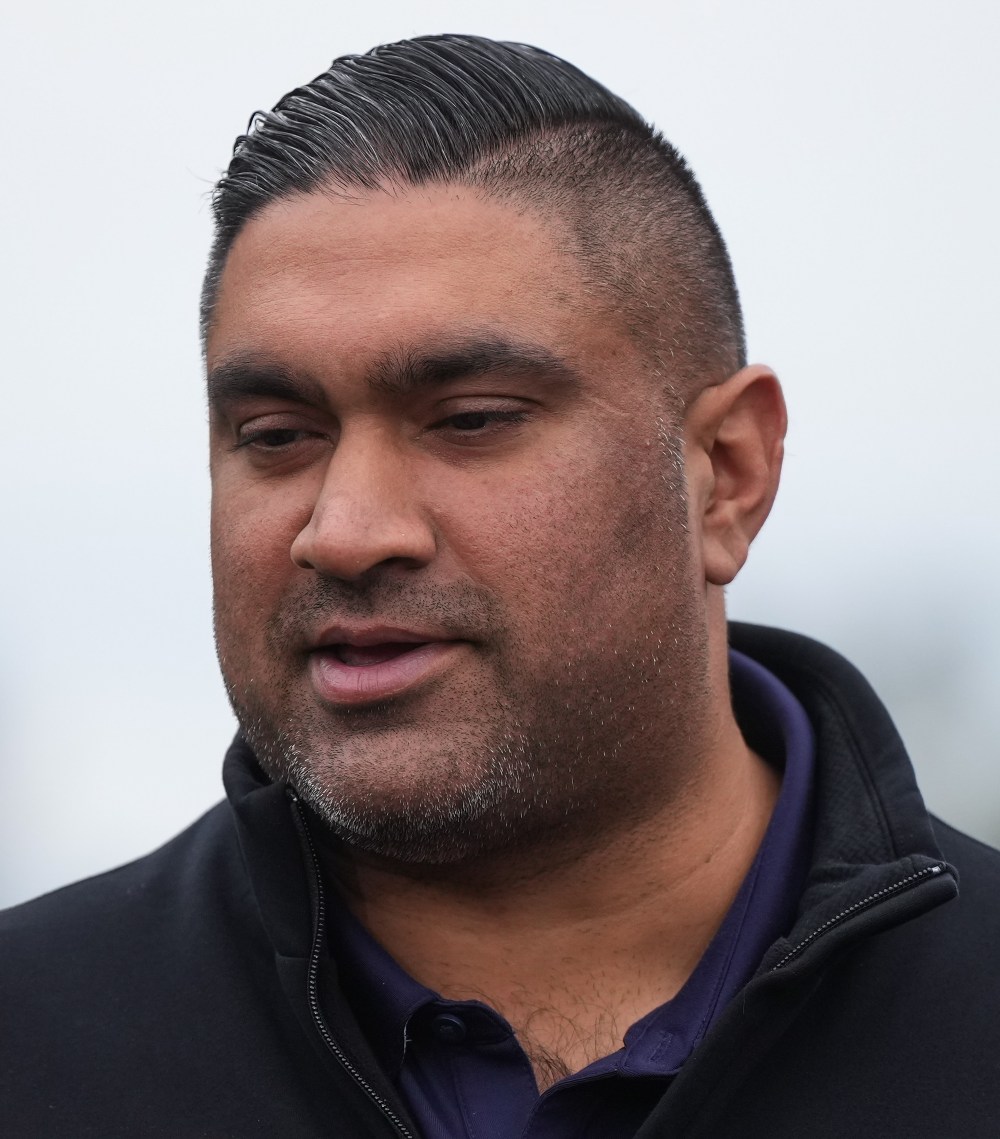
The petition proponent is Harman Bhangu, transportation critic for the Opposition B.C. Conservatives, who said the legislation posed a threat to private property rights and was a “disaster,” while Opposition Leader Kerry-Lynne Findlay called the legislation “madness.”
But even if the petition succeeds by getting the signatures of 10 per cent of voters in all 93 electoral districts across B.C. by Jan. 25, 2027, it is not binding. Instead, success would result in referral to the legislature to decide what to do next.
The law, known as DRIPA, is designed to affirm the application of the United Nations Declaration on the Rights of Indigenous Peoples in other B.C. legislation, but has become a flashpoint for critics.
Premier David Eby backed down on a plan to suspend the law in April amid strong opposition from many First Nations leaders who support it.
Bhangu described Eby’s move as “caving to pressure from activists” and members of his caucus.
“For months, the NDP has treated it like a moving target: amend it, don’t amend it, suspend it, don’t suspend it,” Bhangu said in his statement.
Terry Teegee, regional chief of the B.C. Assembly of First Nations, said the petition was concerning, saying it amounted to “racist rhetoric” and “fearmongering.”
He urged people not to sign it, saying it was “grounded in a lot of falsehoods.”
He said opposition to DRIPA was being used “more or less used as a political tool, a wedge issue” to spread fear and misinformation.
DRIPA passed unanimously in 2019, he noted.
Chief electoral officer Shipra Verma said Thursday in her reasons for approval of the petition initiative that she was satisfied the matter was within the jurisdiction of the legislature, and the proposed draft bill on the repeal was clear and unambiguous.
The announcement said if the petition were referred to the legislature, next steps could include recommending introduction of the draft bill or referring the petition and bill for a vote.
Bhangu’s proposed two-sentence repeal bill says repeal would come into force upon royal assent.
A B.C. Appeal Court ruling last year found that provincial mining rules were inconsistent with DRIPA, spurring concerns about the broad impact of the legislation.
Findlay said she was proud to support the petition.
“This petition is our chance to stand up to the madness of DRIPA and save this province,” she said in a statement.
Indigenous Relations Minister Spencer Chandra Herbert said in a statement about the petition that Findlay’s plan “to tear up DRIPA, fight with First Nations and pit neighbour against neighbour, would lead to massive jobs losses, hurt our health care, environment, communities and lead to economic chaos.”
Elections BC said it had approved 14 initiative petitions since 1995, and only one, the 2010 petition to reverse the harmonized sales tax, met the requirements.
Teegee said those who opposed the DRIPA repeal petition needed to be vocal in their opposition.
“The intent of the declaration was to recognize our minimum human rights standard,” he said. “And I think what Canada was, is and continues to stand for in this vote was to recognize human rights, whether it’s here or other places in the world.”
This report by The Canadian Press was first published Aug. 27, 2026.