
‘Replace some of the pain’: Inquest in fatal police shooting of Manitoba teen ends
Advertisement
Read this article for free:
or
Already have an account? Log in here »
We need your support!
Local journalism needs your support!
As we navigate through unprecedented times, our journalists are working harder than ever to bring you the latest local updates to keep you safe and informed.
Now, more than ever, we need your support.
Starting at $15.99 plus taxes every four weeks you can access your Brandon Sun online and full access to all content as it appears on our website.
Subscribe Nowor call circulation directly at (204) 727-0527.
Your pledge helps to ensure we provide the news that matters most to your community!
To continue reading, please subscribe:
Add Brandon Sun access to your Free Press subscription for only an additional
$1 for the first 4 weeks*
- Enjoy unlimited reading on brandonsun.com
- Read the Brandon Sun E-Edition, our digital replica newspaper
*Your next Free Press subscription payment will increase by $1.00 and you will be charged $20.95 plus GST for four weeks. After four weeks, your payment will increase to $24.95 plus GST every four weeks.
Read unlimited articles for free today:
or
Already have an account? Log in here »
WINNIPEG – A First Nations ceremony consisting of prayer, smudging sage and sweetgrass, and a drum song closed out a lengthy inquest on Thursday into the fatal police shooting of a 16-year-old Ojibwa girl in Winnipeg.
The conclusion of the fatality inquest comes more than six years after Eishia Hudson was shot and killed while police were responding to a liquor store robbery.
“I hope at the end of the day that your memories and what you take with you, all of the positive things that Eishia was, rise above what happened on this last day that she was here,” inquest Judge Margaret Wiebe told the family.
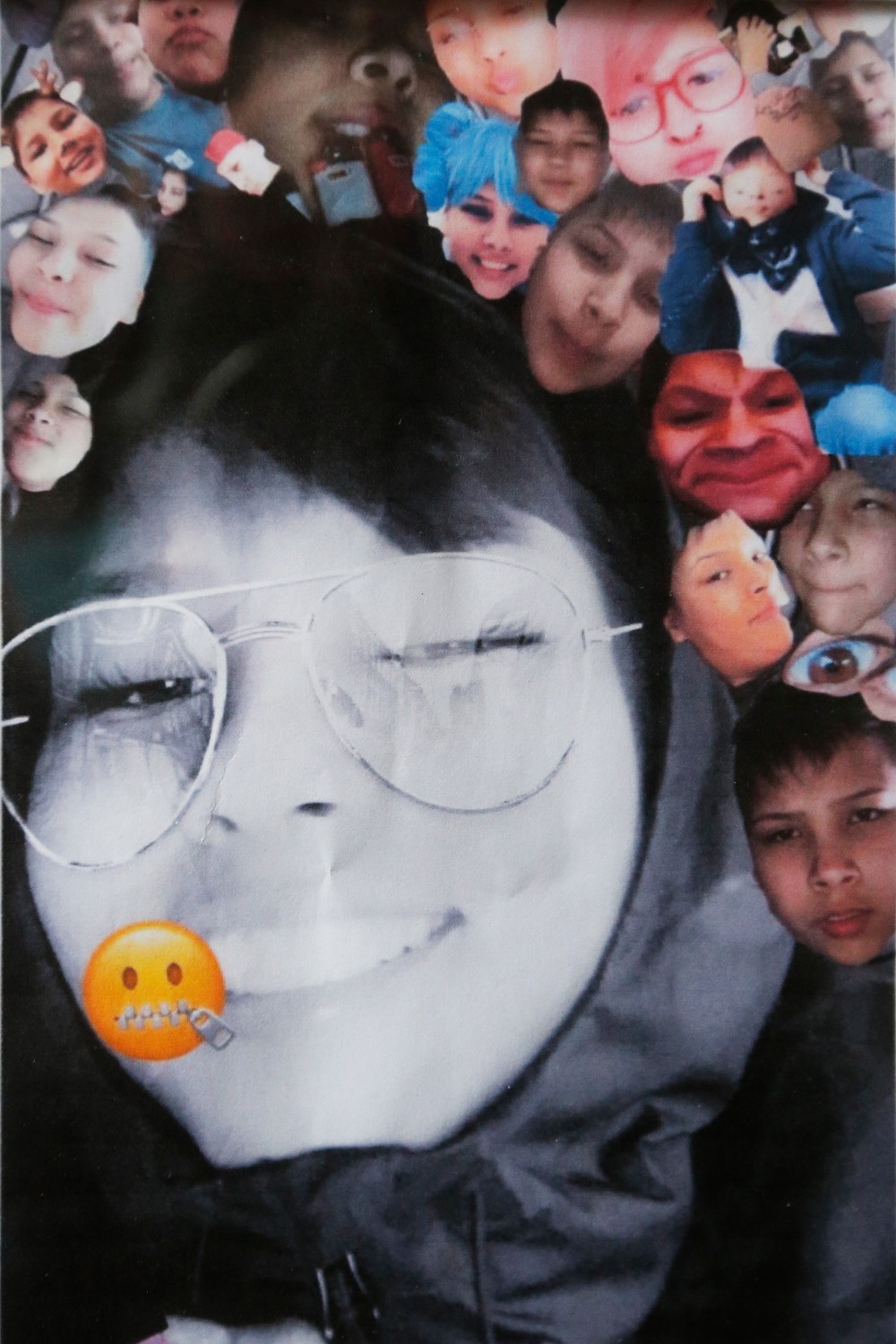
“I hope that eventually all of those memories replace some of the pain that I know that you must feel.”
Eishia’s parents, siblings, friends and other family members were in court this week for two days of final submissions that included dozens of recommendations to prevent similar deaths.
Many wore clothing with the teen’s picture on it or the words “Justice for Eishia.”
William Hudson, Eishia’s father, was the first to testify in February when the hearings started. He closed out the proceedings by offering his gratitude to everyone involved.
“I appreciate everybody that is here … it means a lot to our family,” he said on Thursday.
Eishia was shot on April 8, 2020, after police responded to reports of a liquor store robbery and chased a stolen Jeep. Police have said the stolen vehicle “rammed” into a police cruiser and hit other cars during the pursuit before shots were fired.
The inquest heard Eishia was driving the Jeep when three of the four people who were in the vehicle with her robbed a liquor store.
Store staff reported the theft to police prompting the pursuit.
On Wednesday, Wiebe heard recommendations from inquest counsel, lawyers for the family and for the First Nations Family Advocate Office.
Many of the suggestions overlapped and called for a specific police response team that answers calls involving youth, improvements to police training when answering similar calls and the collection of race-based data on police use-of-force interactions.
The lawyer for the Winnipeg Police Service opposed many of the recommendations made relating to police training, arguing there is no evidence that suggests work isn’t being done to examine pursuit procedures, bias awareness and cultural competency.
“Many of the recommendations suggested do not have an evidentiary foundation for your honour to consider them,” said Kimberly Carswell.
“Your honour should find that the evidence is very clear that Winnipeg Police Service members acted appropriately.”
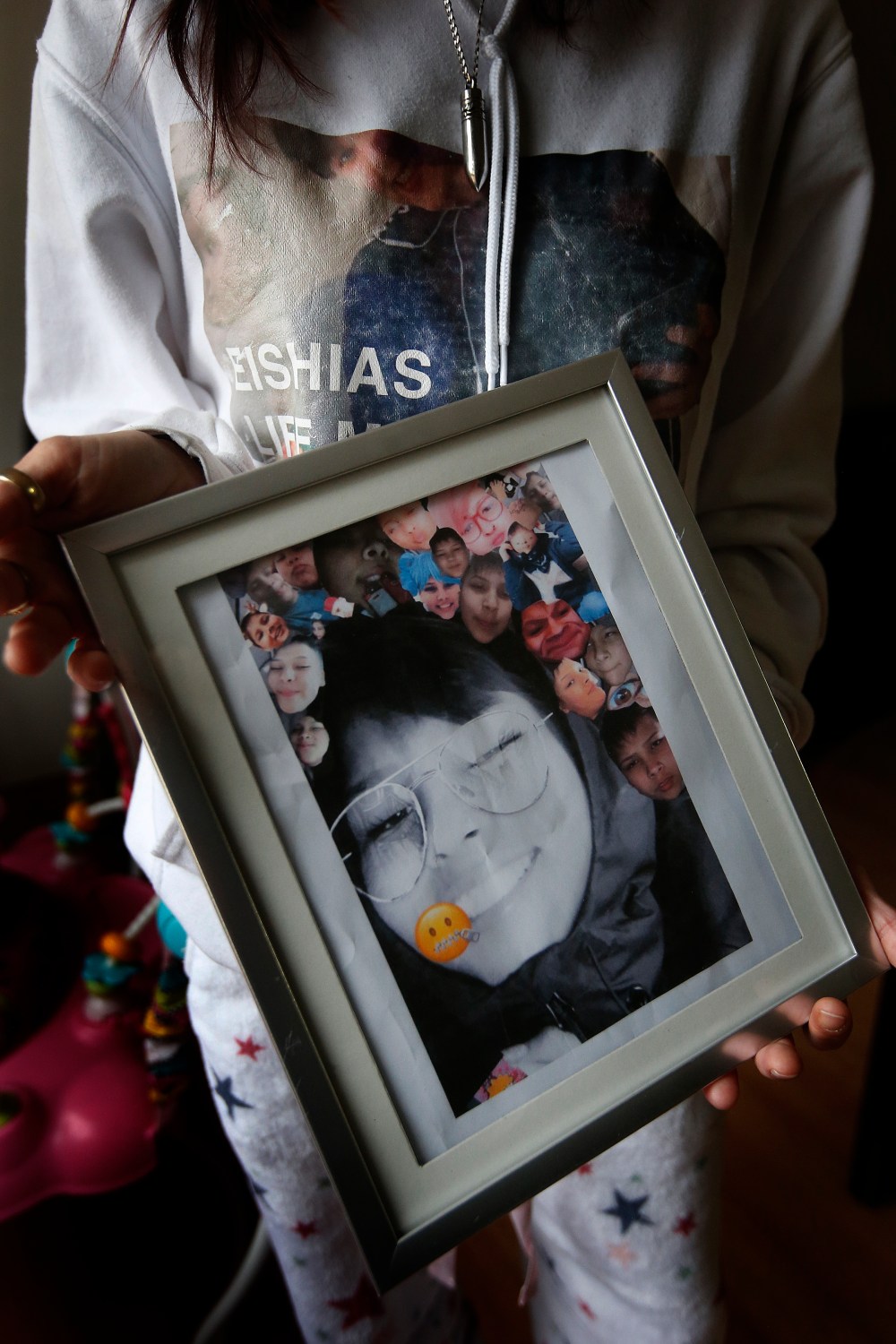
The inquest heard testimony from Eishia’s family, several of the officers on the scene, including the one who shot the teen, and some of the youths who were in the vehicle with the girl.
Const. Kyle Pradinuk testified he fired two shots at Eishia because he believed his colleagues’ lives were in danger by the moving Jeep.
It also heard from two experts with opposing views on whether the shooting was justified.
Use-of-force expert Chris Butler said Pradinuk was following police protocol training, while Peter Rampat, a former Toronto officer and an instructor at the Ontario Police College, said the officer’s actions were not reasonable and consistent with training policies.
Rampat also argued police should factor in age and someone’s cultural background when responding to high-risk situations.
Carswell said the force does support implementing youth-specific training and the development of a youth advisory board.
Eishia’s death sparked protests and calls for a public inquiry into police-related deaths of Indigenous Peoples. She was one three First Nations people killed in a 10-day period in Winnipeg that year.
The inquest is not only examining whether the officer’s use of force was appropriate, but also whether systemic racism played a role in the shooting. Police had initially identified the robbery suspects as Indigenous.
Wiebe has six months to write a report outlining final recommendations.
This report by The Canadian Press was first published Oct. 15, 2026.