
New southern resident killer whale calf spotted in waters near B.C.
Advertisement
Read this article for free:
or
Already have an account? Log in here »
We need your support!
Local journalism needs your support!
As we navigate through unprecedented times, our journalists are working harder than ever to bring you the latest local updates to keep you safe and informed.
Now, more than ever, we need your support.
Starting at $15.99 plus taxes every four weeks you can access your Brandon Sun online and full access to all content as it appears on our website.
Subscribe Nowor call circulation directly at (204) 727-0527.
Your pledge helps to ensure we provide the news that matters most to your community!
To continue reading, please subscribe:
Add Brandon Sun access to your Free Press subscription for only an additional
$1 for the first 4 weeks*
- Enjoy unlimited reading on brandonsun.com
- Read the Brandon Sun E-Edition, our digital replica newspaper
*Your next Free Press subscription payment will increase by $1.00 and you will be charged $20.95 plus GST for four weeks. After four weeks, your payment will increase to $24.95 plus GST every four weeks.
Read unlimited articles for free today:
or
Already have an account? Log in here »
FRIDAY HARBOR – The endangered southern resident killer whale population has increased by one after a calf was spotted in waters near British Columbia.
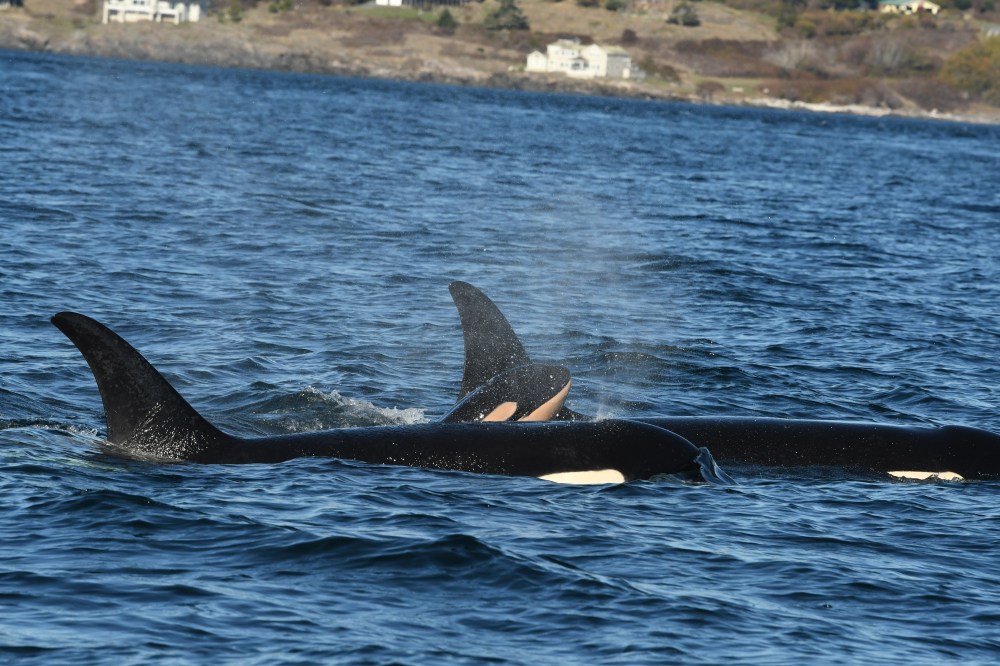
The Center for Whale Research says in an email statement that the new calf was first spotted on Monday with its mother, designated J35 by researchers.
The centre’s researchers then spotted the mother and calf again on Tuesday and determined the “very young” whale is a male likely less than a week old.
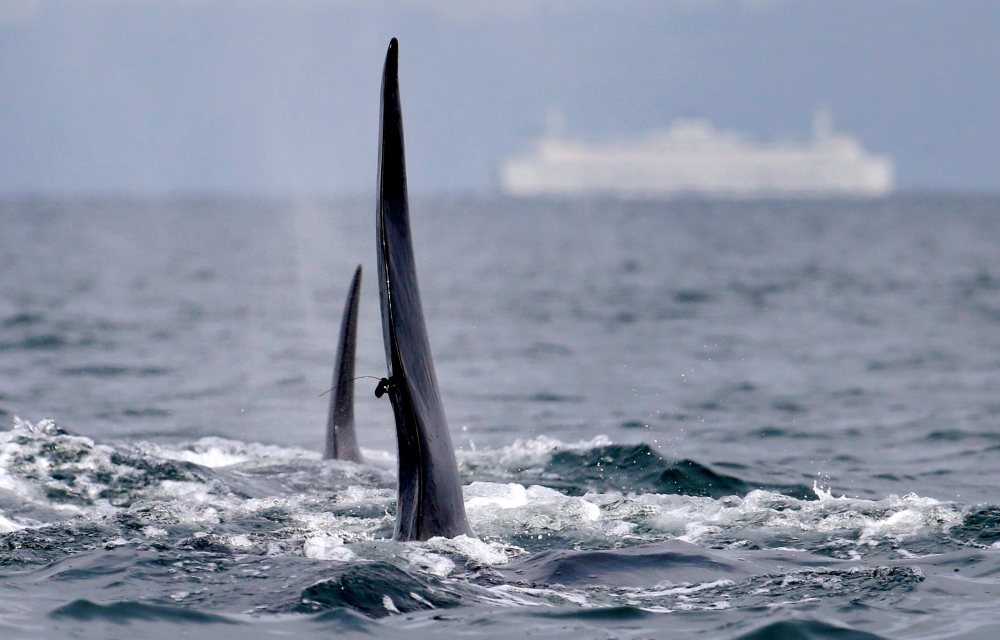
The calf has been designated J65 and is J35’s sixth documented calf, her first being born in 2010.
The centre says J35 previously lost calves, and was seen carrying a dead calf for 17 days in 2018, while another calf born in 2024 did not survive.
Researchers say J65 shows no health issues and is “moving well, socializing, and nursing,” but only about half of all calves survive their first year.
Another southern resident, J31, was spotted with a dead calf earlier this month near Sombro Point on Vancouver Island.
The centre says that as of July, the population of Southern Residents was 76.
This report by The Canadian Press was first published Oct. 21, 2026.