
Premier needs to communicate
Advertisement
Read this article for free:
or
Already have an account? Log in here »
We need your support!
Local journalism needs your support!
As we navigate through unprecedented times, our journalists are working harder than ever to bring you the latest local updates to keep you safe and informed.
Now, more than ever, we need your support.
Starting at $15.99 plus taxes every four weeks you can access your Brandon Sun online and full access to all content as it appears on our website.
Subscribe Nowor call circulation directly at (204) 727-0527.
Your pledge helps to ensure we provide the news that matters most to your community!
To continue reading, please subscribe:
Add Brandon Sun access to your Free Press subscription for only an additional
$1 for the first 4 weeks*
- Enjoy unlimited reading on brandonsun.com
- Read the Brandon Sun E-Edition, our digital replica newspaper
*Your next Free Press subscription payment will increase by $1.00 and you will be charged $20.95 plus GST for four weeks. After four weeks, your payment will increase to $24.95 plus GST every four weeks.
Read unlimited articles for free today:
or
Already have an account? Log in here »
Hey there, time traveller!
This article was published 26/04/2022 (1649 days ago), so information in it may no longer be current.
When Premier Heather Stefanson pitched herself as a leadership candidate last year, significant focus was devoted to talking about improving relationships damaged over her party’s time in power.
After previous premier Brian Pallister upset Indigenous groups with comments on colonialism and parents with proposed changes to the K-12 educational system among others, certainly some amount of damage control was needed. And there have been some overtures from her administration to do so.
Several months in, however, there’s one group with whom Stefanson has not improved her government’s relationship, namely the media — especially rural media.
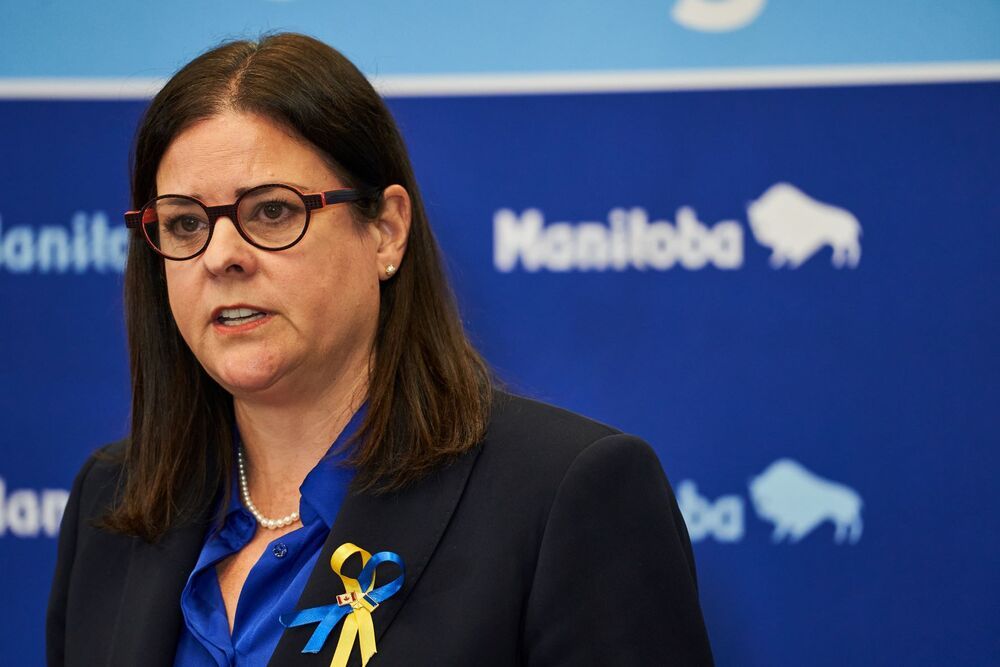
During the pandemic, Pallister’s issues with certain media outlets were on full display during the livestreamed media conferences he held. On a slow news day, when there wasn’t really much new information on COVID-19 to share, Pallister’s conflicts with reporters over recent stories or questions he believed were unfair almost reached the status of reality TV feud.
That disdain at the top of government seemed to trickle down to the staffers in charge of responding to media requests for government departments. Phone numbers for these staffers stopped being listed and all questions were directed to email, making it harder to get answers to even basic questions.
Before the pandemic, the list of ministerial press secretaries included phone numbers for everyone listed. While email addresses and names are still provided, phone numbers were quietly scrubbed away in 2020.
This newsroom has seen the relationship between government communications deteriorate over the last two decades and that process has continued since Stefanson took office.
Reporters no longer know what staffers are appointed to which government departments, with all inquiries except for ministerial press secretaries being directed to a catch-all newsroom email address that is slow to respond and frequently hands out terse, vague answers to questions.
It used to be that reporters were provided with the names, phone numbers and email addresses of the people in charge of media requests for these departments.
Departmental representatives weren’t typically named in articles, but it allowed reporters to develop a rapport with those they were in frequent contact with while covering their beat.
Though media representatives specifically working for ministers have frequently requested that their comments be attributed to an unnamed spokesperson, it has been the Sun’s longstanding policy to name them as they are directly representing an elected official — a policy that will continue unabated.
This problem is likely less serious for media outlets that operate out of Winnipeg, given that they can meet with relevant people in person, but it makes it harder for outlets outside of the Perimeter to convey essential information to their audiences.
For example, we just came out of a weekend where we had a significant amount of rainfall on semi-frozen ground where flooding is a major concern.
One Sun reporter reached out to the government newsroom email Monday morning to inquire if there was any news on the flooding situation, especially after a flood warning was issued along the Red River over the weekend.
“If there is a flood update, a media notice or bulletin will be issued,” was the entire body of the reply our reporter received.
That’s about as helpful as saying “if the sun shines, it could get warm.”
For almost two years, our paper was given direct access to government officials through calling into media conferences being held at the legislature.
Once Stefanson declared that the pandemic was over in Manitoba — or at least signalled it through the removal of health restrictions — the call-in option for the vast majority of media conferences has ended or at least been watered down.
Putting a thumb in the media’s eye by strictly controlling information might be satisfying, but denying access and freezing information isn’t just going to hurt publications like the Sun, but its readers as well.
Winnipeg media can head to the legislature to try to get answers in person. Because of geography, we can’t.
While the media and the government can’t and shouldn’t be best friends, we do need to communicate.
Going by the figures from last year’s census, there are 507,475 Manitobans who live outside of the Winnipeg metropolitan area. It is not just elected officials’ duty to represent them in our legislature, but to communicate their decisions and important information to them as well.
It was nice to have the premier make an appearance at last week’s Association of Manitoba Municipalities spring convention in Brandon and this paper appreciates her post-speech availability for a few questions.
The handful of flood updates accessible to rural media that Transportation and Infrastructure Minister Doyle Piwniuk held in recent weeks were also appreciated.
However, we can’t help but feel that an availability for rural media the week prior to Stefanson’s AMM appearance would have been a better way to help disseminate the specifics of this year’s budget than reiterating one aspect of that budget for a select audience at the convention.
One of the few positives coming out of this pandemic is that we can learn from our successes and mistakes going forward.
The government’s pandemic communications strategy was a success in reaching out to Manitobans past the Perimeter over the previous two years.
When Stefanson returns to Brandon this week to speak at the Chamber of Commerce’s state of the province luncheon, she has a prime opportunity to communicate with an audience ready to listen about what matters to them.
We hope she takes it.