
15-minute cities are about convenience, not tyranny
Advertisement
Read this article for free:
or
Already have an account? Log in here »
We need your support!
Local journalism needs your support!
As we navigate through unprecedented times, our journalists are working harder than ever to bring you the latest local updates to keep you safe and informed.
Now, more than ever, we need your support.
Starting at $15.99 plus taxes every four weeks you can access your Brandon Sun online and full access to all content as it appears on our website.
Subscribe Nowor call circulation directly at (204) 727-0527.
Your pledge helps to ensure we provide the news that matters most to your community!
To continue reading, please subscribe:
Add Brandon Sun access to your Free Press subscription for only an additional
$1 for the first 4 weeks*
- Enjoy unlimited reading on brandonsun.com
- Read the Brandon Sun E-Edition, our digital replica newspaper
*Your next Free Press subscription payment will increase by $1.00 and you will be charged $20.95 plus GST for four weeks. After four weeks, your payment will increase to $24.95 plus GST every four weeks.
Read unlimited articles for free today:
or
Already have an account? Log in here »
Hey there, time traveller!
This article was published 16/08/2024 (799 days ago), so information in it may no longer be current.
Another day, another proposal bogged down by paranoia.
An Aug. 8 public hearing in Niverville for Plan 20-50: a Regional Growth Plan for the Winnipeg Metropolitan Region, ended up being postponed after the crowd for the meeting exceeded capacity.
But opponents of the plan nevertheless found the opportunity to voice their fears.
Specifically, they fear that Plan 20-50 would bring the “15-minute city” concept to Winnipeg and threaten people’s freedom of movement.
Plan 20-50 may propose some similar ideas as the 15-minute city concept but does not describe itself explicitly as such, with Winnipeg Metropolitan Region executive director Jennifer Freeman telling the Winnipeg Free Press, “Nowhere is it referenced that this is about 15-minute cities.”
But the fact Plan 20-50 isn’t the same as a 15-minute city plan didn’t stop critics from unreasonably acting like it is.
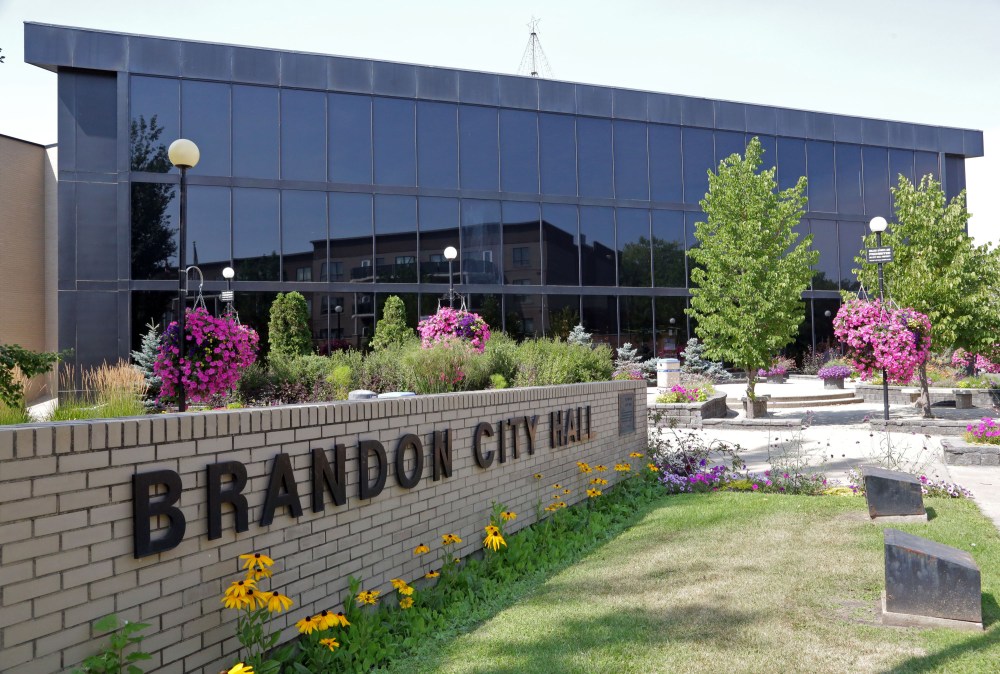
Note that this isn’t just a Winnipeg Metropolitan Region thing — the anti-15-minute-city crowd have already been active in western Manitoba, as concerns over city council’s adoption of the Brandon City Plan ran afoul of those who believe their freedoms are being threatened.
In fact, we have seen evidence online that some of the same folks who attended the Niverville public hearing — and caused its early closure — are looking to do the same thing here in Brandon on Monday evening when Brandon City Council holds a public hearing on its city plan document in council chambers.
Whether that happens or not, this notion that city officials are trying to curtail freedom of movement seems to have planted itself as an ongoing social irritation in our province.
So, let’s talk about what 15-minute cities are.
For those unaware, the concept is one of the latest bugbears of conspiracy theorists. The actual idea is quite innocuous: plan communities so the necessities of daily life can be reached within a 15-minute walk or bike ride from any point within that community. In other words, a “15-minute city” operates more or less the same way small towns have always done.
But in the minds of some, it’s nothing less than the latest attempt to exert control over our lives by tyrants-in-waiting.
According to a national poll by Research Co. in March 2023, 43 per cent of Canadians surveyed believe 15-minute cities will result in increased government control. Thirty-seven per cent believe they will result in a reduction of personal freedoms, and 27 per cent believe they would be fined if they were to leave their “home district.”
There is, it should be emphasized, no reason to believe any of this.
While we may assume a new idea is more popular with the young and less popular with the old, the survey showed the support was actually bookended. About 66 per cent of those aged 18-34 were in favour of the concept, as were 60 per cent of those aged 55 and over. That makes sense, given many seniors may face increasing difficulty in getting around and so would prefer easier access. The least supportive group was aged 35-54 (51 per cent).
But how did this come to pass? How did the idea that we should build communities so we no longer have to sit through an hour of traffic congestion to see a doctor on the other side of town turn into a dystopian campfire story?
According to some, the roots of this fear go back to the pandemic.
Jennie King, head of climate research and policy at the Institute for Strategic Dialogue, told CNN in February of last year that trauma from COVID-19 and concerns about government encroachment have been “weaponized by a vast ecosystem of bad actors,” with fears of tyranny under the guise of climate action (particularly post-pandemic) eventually taking hold in conspiracy-theorist communities.
Based on the Research Co. poll, those who voiced fears of government overreach constitute a minority — but they are a vocal and persistent one. It is exhausting to see how every proposal for improving our lives is inevitably bogged down by the teeth-gnashing and garment-tearing of those who want to see menace behind every new idea.
Conspiracy theorists who fear 15-minute cities will result in their daily oppression should instead give the idea a try.
Then, once they’re living in a place where they can get anything they need after just a short walk, they might just be able to find a better hobby than catastrophizing.
» Winnipeg Free Press and The Brandon Sun