
National problem requires a comprehensive solution
Advertisement
Read this article for free:
or
Already have an account? Log in here »
We need your support!
Local journalism needs your support!
As we navigate through unprecedented times, our journalists are working harder than ever to bring you the latest local updates to keep you safe and informed.
Now, more than ever, we need your support.
Starting at $15.99 plus taxes every four weeks you can access your Brandon Sun online and full access to all content as it appears on our website.
Subscribe Nowor call circulation directly at (204) 727-0527.
Your pledge helps to ensure we provide the news that matters most to your community!
To continue reading, please subscribe:
Add Brandon Sun access to your Free Press subscription for only an additional
$1 for the first 4 weeks*
- Enjoy unlimited reading on brandonsun.com
- Read the Brandon Sun E-Edition, our digital replica newspaper
*Your next Free Press subscription payment will increase by $1.00 and you will be charged $20.95 plus GST for four weeks. After four weeks, your payment will increase to $24.95 plus GST every four weeks.
Read unlimited articles for free today:
or
Already have an account? Log in here »
Hey there, time traveller!
This article was published 13/04/2026 (186 days ago), so information in it may no longer be current.
The Brandon Chamber of Commerce is sounding the alarm over rising levels of retail theft in the city. As detailed in yesterday’s Sun, Brandon Police Service data reveal that shoplifting incidents in the city have risen by approximately 40 per cent. Chamber president Jennifer Ludwig says the issue has been building for some time and that many chamber members are struggling with the financial and operational strain.
“It’s another thing that business owners are having to deal with,” she says. “How do they manage security costs? How do they manage product walking out the door? How do we prevent it and work with the police so they can track what’s going on?”
Business owners and business organizations across the country are asking those same questions, with two reports released in the past month by national business organizations detailing the depth and severity of the problem.
Last week, the Canadian Federation of Independent Business released a report that reveals crime and disorder have become an everyday problem in Canada’s retail industry. In a survey of business owners conducted last fall, 50 per cent of respondents said crime had increased in their community over the previous 12 months, while just two per cent said it had declined. Despite the growing problem, the report noted that almost one-third of small business owners said they do not report crimes because they believe it’s a time-consuming process that won’t make a difference. That, the CFIB says, suggests current crime statistics may understate the true level of retail crime that is occurring.
Of even greater concern, the survey also found that one-half of all small business owners surveyed are worried about their personal safety as well as the safety of their employees and customers. Manitoba had the second-highest percentage of owners who are concerned about safety, at a staggering 62 per cent.
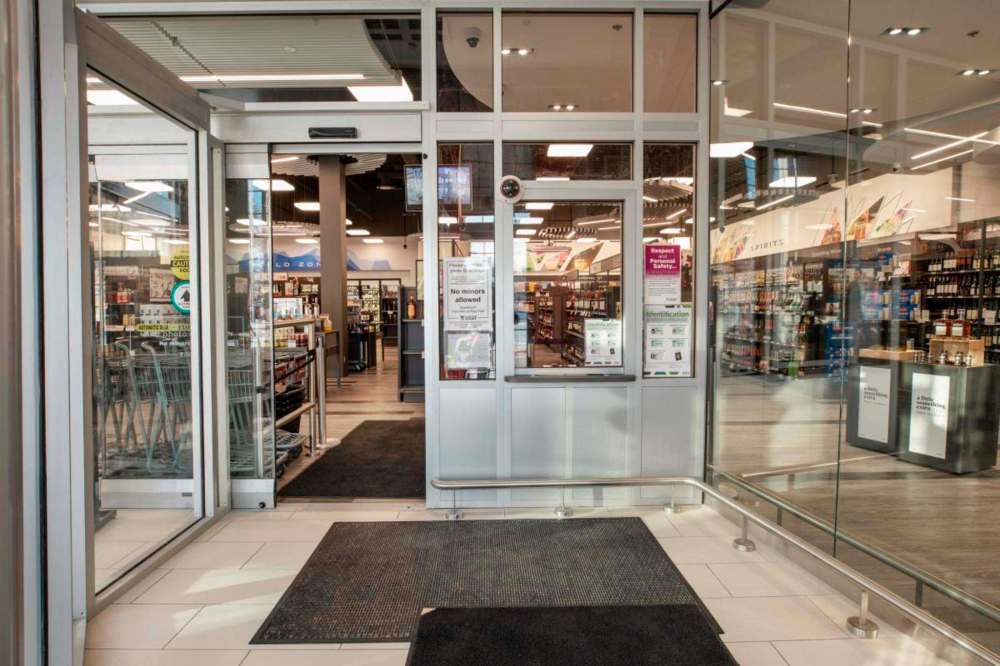
The report noted that staff and shoppers encounter individuals who may be experiencing a crisis, often displaying unpredictable and/or aggressive behaviour. As a result, many businesses have adopted informal safety protocols, including keeping their doors locked and only allowing customers to enter by doorbell or appointment.
The CFIB report largely mirrors a report released last month by the Retail Council of Canada. It revealed that retail theft in Canada soared from $5 billion in 2018 to $9 billion in 2024, with repeat offenders accounting for approximately 18 per cent of arrests. Even worse, 76 per cent of retailers reported increased violence during theft incidents and 121 weapons were seized in retail blitz operations led by the Retail Council in 2024. As a consequence of the mounting losses, violence and weapons, the report says many retailers are limiting product availability, increasing security and, in some cases, are choosing to close locations.
To make matters worse, the Retail Council also claims that repeat offenders are often arrested and released the same day, Crown prosecutors frequently decline to pursue charges and many judges hesitate to convict for retail crimes, even with strong evidence.
In response to the problem here in Brandon, Ludwig and the Chamber of Commerce are calling for the creation of a BPS public safety unit that would focus on retail theft, repeat offenders and proactive policing. That would be an obvious response, and has undoubtedly been already implemented in other Canadian communities, but the Retail Council’s report contains a number of recommendations that may also have an impact.
Those “calls to action” include treating retail crime as an urgent economic and safety issue, standardizing retail crime tracking, advocating for a national “organized retail crime act” with stronger penalties and, finally, investing in proactive security solutions such as expanded AI surveillance, staff training and organized retail crime investigations.
The Retail Council is correct in saying that retail crime in Canada has escalated into a national crisis, impacting profitability, employee safety and consumer trust. And we agree with its warning that the situation will worsen without urgent intervention from government and law enforcement throughout Canada, impacting communities, retail jobs and consumer safety.
The stakes are high and the clock is ticking. Let’s hope our governments are paying attention and have the courage to implement the measures required to defeat this growing problem.