
A first step toward boosting health care
Advertisement
Read this article for free:
or
Already have an account? Log in here »
We need your support!
Local journalism needs your support!
As we navigate through unprecedented times, our journalists are working harder than ever to bring you the latest local updates to keep you safe and informed.
Now, more than ever, we need your support.
Starting at $15.99 plus taxes every four weeks you can access your Brandon Sun online and full access to all content as it appears on our website.
Subscribe Nowor call circulation directly at (204) 727-0527.
Your pledge helps to ensure we provide the news that matters most to your community!
To continue reading, please subscribe:
Add Brandon Sun access to your Free Press subscription for only an additional
$1 for the first 4 weeks*
- Enjoy unlimited reading on brandonsun.com
- Read the Brandon Sun E-Edition, our digital replica newspaper
*Your next Free Press subscription payment will increase by $1.00 and you will be charged $20.95 plus GST for four weeks. After four weeks, your payment will increase to $24.95 plus GST every four weeks.
Read unlimited articles for free today:
or
Already have an account? Log in here »
Manitoba has taken an important step toward strengthening its health-care system by passing legislation that will establish nurse-to-patient ratios across hospitals, long-term care facilities and other areas of care.
The recommendations have now been delivered. The framework is in place. What remains is the most difficult part: making it happen.
The province cannot afford to let this initiative become another well-intentioned health-care reform that spends years trapped in planning and consultation. Manitoba needs a clear implementation plan, a recruitment strategy and the resources necessary to ensure nurse-to-patient ratios become a reality as quickly as possible.
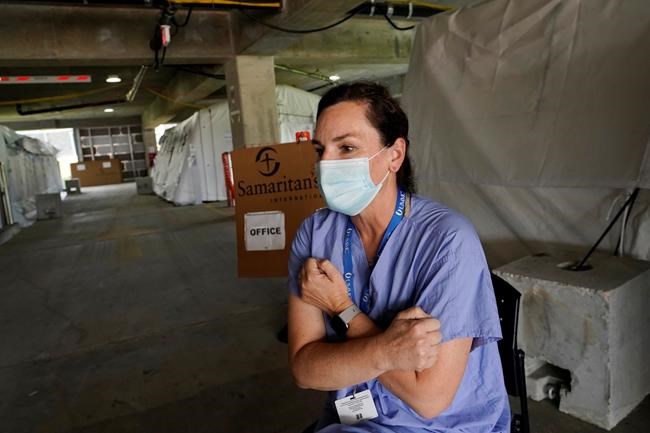
For years, Manitoba nurses have been working in an environment defined by shortages, excessive workloads and chronic overtime. Many have been asked to care for more patients than is reasonable or safe. Others have left the profession altogether or moved to jurisdictions that offer better working conditions.
The result has been predictable. Burnout has become widespread, morale has suffered and vacancy rates remain alarmingly high across much of the province.
Vacancy rates in some rural health regions exceed 25 per cent and, in Prairie Mountain Health, exceed 30 per cent. More than 1,200 nursing positions remain vacant in rural Manitoba alone.
These shortages create a vicious cycle. When positions go unfilled, the remaining nurses are forced to shoulder heavier workloads. As workloads increase, more nurses experience burnout and leave. Their departures place even greater pressure on those who remain.
Breaking that cycle requires more than simply hiring additional nurses. Manitoba must create working conditions that make nurses want to stay. That is where nurse-to-patient ratios become so important.
The recommendations released last week establish minimum staffing standards across a wide range of clinical settings. In emergency departments, critical-care patients would receive one-to-one nursing care. Other areas would have staffing levels tied directly to patient acuity and needs.
These standards recognize a fundamental truth: there is a limit to how many patients a nurse can safely care for at one time.
When nurses are stretched too thin, patient care suffers. Delays occur. Mistakes become more likely. Patients receive less attention and less monitoring. Families become frustrated. Nurses leave their shifts believing they were unable to provide the care their patients deserved.
Manitoba is competing for nurses in a national labour market. Every province is facing shortages. Every province is trying to attract graduates and experienced professionals. Competitive wages matter, but so do working conditions.
A nurse considering where to build a career will naturally be attracted to a system that promises manageable workloads, adequate staffing support and a greater ability to provide quality care. Establishing set nurse-to-patient ratios send a powerful signal that the Wab Kinew government is serious about creating those conditions.
The province deserves credit for moving forward with legislation. The recommendations produced by the Manitoba Nurse-Patient Ratio subcommittee are comprehensive and practical.
In particular, the subcommittee should be lauded for developing a Rural and Northern Framework that builds geographic flexibility into the guidelines so that health regions outside large urban centres can realistically comply.
Its recommendations also recognize that implementation will require additional supports, including mentorship programs.
But legislation alone will not fill vacancies.
The government now faces the harder task of investing the money needed to recruit, train and retain enough nurses to meet these standards. That will require patience and persistence. It will not happen overnight. Still, Manitobans have every reason to expect urgency.
Provincial governments have spent decades trying to repair a health-care system strained by staffing shortages and growing demand. Nurse-to-patient ratios offer a path toward a safer and more stable future.
They represent one of the clearest opportunities available to improve patient care while addressing the burnout that continues to drive nurses away.
» Winnipeg Free Press and The Brandon Sun