
Inspection blitz points to need for prevention
Advertisement
Read this article for free:
or
Already have an account? Log in here »
We need your support!
Local journalism needs your support!
As we navigate through unprecedented times, our journalists are working harder than ever to bring you the latest local updates to keep you safe and informed.
Now, more than ever, we need your support.
Starting at $15.99 plus taxes every four weeks you can access your Brandon Sun online and full access to all content as it appears on our website.
Subscribe Nowor call circulation directly at (204) 727-0527.
Your pledge helps to ensure we provide the news that matters most to your community!
To continue reading, please subscribe:
Add Brandon Sun access to your Free Press subscription for only an additional
$1 for the first 4 weeks*
- Enjoy unlimited reading on brandonsun.com
- Read the Brandon Sun E-Edition, our digital replica newspaper
*Your next Free Press subscription payment will increase by $1.00 and you will be charged $20.95 plus GST for four weeks. After four weeks, your payment will increase to $24.95 plus GST every four weeks.
Read unlimited articles for free today:
or
Already have an account? Log in here »
If residents in western Manitoba needed any added incentive to continue their efforts at preventing the spread of invasive species into our lakes and rivers, they need only look at the results of roadside inspections earlier this week on the Trans-Canada Highway.
Inspections conducted by Fisheries and Oceans Canada in partnership with the Manitoba government between Sunday and Tuesday stopped 455 vehicles transporting 502 watercraft or related equipment at the Manitoba-Ontario border.
Of those, inspectors found that 120 watercraft had not been cleaned, drained or dried and failed inspection. One inspection found visible zebra mussels present and 13 other watercraft required decontamination.
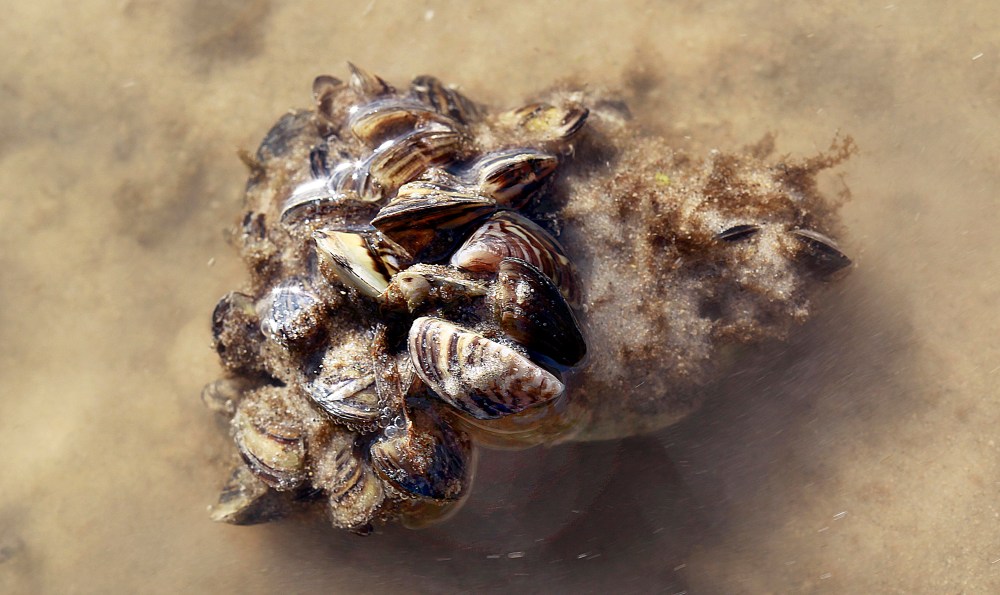
A press release from federal Fisheries Minister Joanne Thompson said motorized and non-motorized watercraft were inspected, including canoes, kayaks, fishing boats, sailboats, jet skies, inflatables, anchors and fishing gear.
This was the second roadside inspection blitz of the summer season. A Winnipeg Free Press story yesterday stated that the province has issued 17 fines this year during roadside inspections under the province’s Water Protection Act, totalling $5,344. But individuals who violate regulations could face ups to $100,000 in fines.
Considering how many vehicles travel between our two provinces, it’s safe to say that there are numerous suspect watercraft coming into Manitoba that would not pass inspection. And that is precisely why local communities have implemented programs to limit access to area waters over the past two years.
And many are doing so in spite of local opposition.
Last year, RM of Prairie Lake introduced a “one boat, one lake” policy for Pelican Lake, which introduced a number of changes for the boating season. As of last year, only one boat launch was available to visitors, who were also forced to pay a $40 inspection fee to launch in the lake. Residents and people renting seasonal campsites were permitted to buy a $100 decal and gain access to the lake for the whole season — with the condition, however, that they only use that boat in Pelican Lake.
The change drew instant anger from local residents, many of whom were concerned that the number of visitors to the lake would drop off and area business would suffer as a result of the increased fees. Other residents said the policy robbed them of their right to access the lake.
“I think it’s atrocious they can lock down a lake,” said one of dozens of protesters who gathered in Ninette in May 2025.
This year, Prairie Lakes municipality decided to introduce a patrolling staff member to ensure that regulated boat launches around the lake are being used properly.
Reeve Darren Seymour told the Sun last month that the new role was created to address rumours that people had been launching their watercraft in Pelican Lake without adhering to the one boat, one lake policy.
Other municipalities in Manitoba have followed suit. Rossburn Municipality has introduced a physical wash and inspection station in the community that was planned to be open seven days a week. The location — at the Rossburn Fire Department — was chosen for its centrality among the lakes in the area.
So, too, the Municipality of Harrison Park, which expanded its AIS prevention efforts with the introduction of a decontamination system at Sandy Lake this year. Six watercraft inspectors have been hired to staff the inspection station at the main boat launch at Sandy Lake.
Harrison Park’s efforts go back to 2017, with the community group starting watercraft inspections in 2018.
“Tourism is a big thing for our area, so we have a lot of people that come for fishing and boating and such, and we are just trying to protect all the lakes in the area,” Harrison Park Reeve Ian Drul said last month. “To me it makes sense because the lake is our economic engine of our community and our municipality.”
We understand that these kinds of restrictive policies do not endear municipal leadership to local residents and business owners who rely on summer tourism, and those who simply want to enjoy the lake.
But the sheer number of failed inspections this past weekend proves that far too many boaters are either not getting the message or simply ignoring it. Efforts to prevent the spread of invasive aquatic species in our waterways are more important than ever.
And for those who have given considerable effort to push back against algae infestations and improve the quality of waters like Pelican Lake and Killarney Lake over the last few decades, it would be heartbreaking to see all that work go for nought.