
Dealing with what’s left behind … in the cloud
Advertisement
Read this article for free:
or
Already have an account? Log in here »
We need your support!
Local journalism needs your support!
As we navigate through unprecedented times, our journalists are working harder than ever to bring you the latest local updates to keep you safe and informed.
Now, more than ever, we need your support.
Starting at $15.99 plus taxes every four weeks you can access your Brandon Sun online and full access to all content as it appears on our website.
Subscribe Nowor call circulation directly at (204) 727-0527.
Your pledge helps to ensure we provide the news that matters most to your community!
To continue reading, please subscribe:
Add Brandon Sun access to your Free Press subscription for only an additional
$1 for the first 4 weeks*
- Enjoy unlimited reading on brandonsun.com
- Read the Brandon Sun E-Edition, our digital replica newspaper
*Your next Free Press subscription payment will increase by $1.00 and you will be charged $20.95 plus GST for four weeks. After four weeks, your payment will increase to $24.95 plus GST every four weeks.
Read unlimited articles for free today:
or
Already have an account? Log in here »
Sooner or later, we will all face it; if we’re wise, we plan for its arrival.
Death.
Notwithstanding the pithy observation of 18th-century American statesman Benjamin Franklin regarding the inescapable nature of taxes, the only real inevitability in each of our lives is that it will end. And when it does, those left behind to (one hopes) mourn our passing are always left with the unenviable chore of tying up multitudinous loose ends.
What comes to mind first are familiar material considerations such as wills, finances, property divestiture and the burdensome responsibility of sorting through and disposing of a lifetime’s worth of accumulated clothing, furniture, vehicles and all manner of personal belongings.
These jobs are made immeasurably easier if the departed has left specific and detailed instructions and documentation for those tasked with sorting it all out.
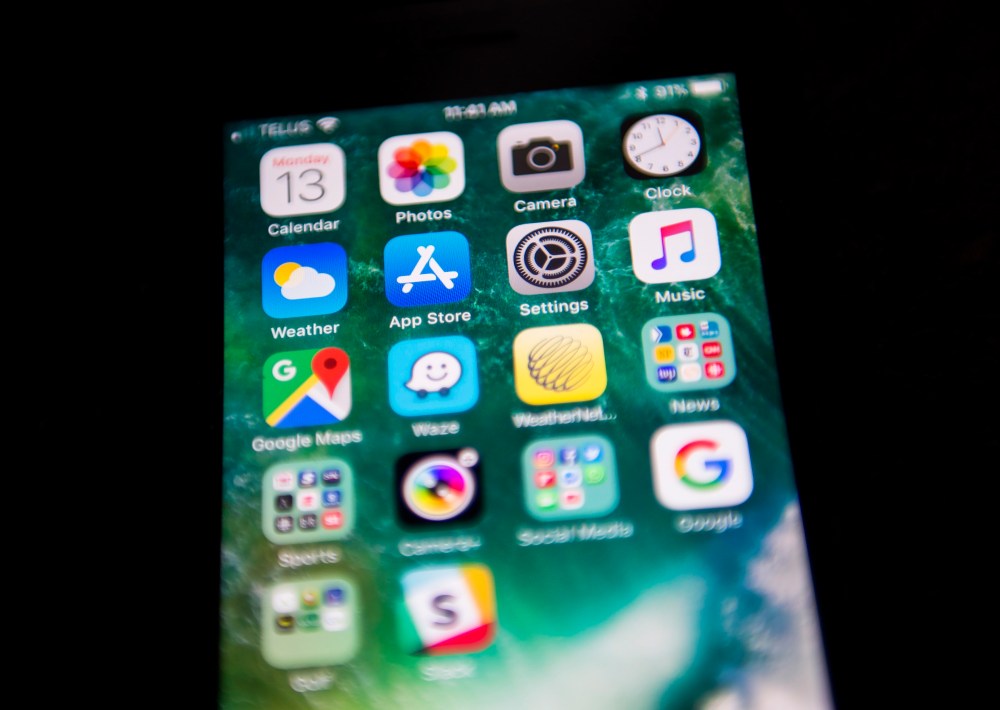
But what’s equally important in death’s 21st-century context is having a plan for the increasingly large portion of our lives that is spent online — the so-called “digital footprint” we create through our social-media presence, our texting and e-messaging interactions, our search-engine activity and our various commercial and recreational activities on websites and retail platforms.
When we’re gone, someone is going to have to sort through all of that, too. Without exception, it’s a decidedly more complicated task than rummaging through a box of old shoes or deciding what to do with someone else’s lifetime’s worth of photo-album memories.
All of which is why a new study being conducted at the University of Manitoba’s computer-science department is worthy of attention, and could ultimately produce interesting and useful direction for people engaged in the necessary exercise of end-of-life planning.
The initiative’s self-imposed mandate is to better understand and improve “digital legacy planning,” and the group is seeking participants aged 18 or older to complete a survey focused on their virtual assets, spirituality and the level to which they have planned or are planning for the end of their 21st-century lives.
“Most people aren’t aware of this (digital) part of estate and legacy planning,” says graduate student researcher Simon Wermie.
There’s much to ponder. How many different passwords, for how many assorted website accounts, do you have? Are they stored in a manner that will make them accessible for those dealing with your estate after you’re gone? Have you set up an inactive account manager on Google or another similar platform — in other words, made choices while you’re alive for what will happen to your data when you stop using those account(s)?
These are some of the more practical questions that must be faced by the human inhabitants of an increasingly digital world.
There are also some more ethereal and decidedly more quirky considerations, as well; the U of M team’s examination of post-mortem privacy also asks survey participants to consider the ethics of creating “chatbots” modelled after departed loved ones’ texts and other personal data, or perhaps being represented by a “deadbot” — in other words, an AI-generated ghost — that allows friends and relatives to continue to communicate with a version of you after you’re gone.
These are not things end-of-life planners had to consider in generations past, but they should be front-of-mind considerations for all of us now.
In posing its very relevant questions, the U of M survey also offers some sound advice for all of us: regardless of whether you do or don’t believe in a heavenly destination that awaits us after we die, it’s important to make serious down-to-earth plans for the part of us that exists in the cloud.
» Winnipeg Free Press