
The Port of Churchill — but done right
Advertisement
Read this article for free:
or
Already have an account? Log in here »
We need your support!
Local journalism needs your support!
As we navigate through unprecedented times, our journalists are working harder than ever to bring you the latest local updates to keep you safe and informed.
Now, more than ever, we need your support.
Starting at $15.99 plus taxes every four weeks you can access your Brandon Sun online and full access to all content as it appears on our website.
Subscribe Nowor call circulation directly at (204) 727-0527.
Your pledge helps to ensure we provide the news that matters most to your community!
To continue reading, please subscribe:
Add Brandon Sun access to your Free Press subscription for only an additional
$1 for the first 4 weeks*
- Enjoy unlimited reading on brandonsun.com
- Read the Brandon Sun E-Edition, our digital replica newspaper
*Your next Free Press subscription payment will increase by $1.00 and you will be charged $20.95 plus GST for four weeks. After four weeks, your payment will increase to $24.95 plus GST every four weeks.
Read unlimited articles for free today:
or
Already have an account? Log in here »
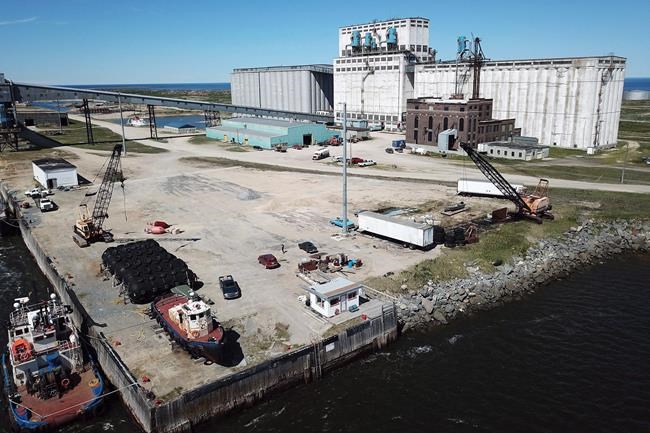
The seagoing grain carrier wasn’t christened with a champagne bottle. There was no confetti or streamers. Nevertheless, the Aug. 31 event marking the first shipment of grain to be loaded at the Port of Churchill since 2020 was celebrated like the launch of a brand new vessel.
The presence of the federal minister of northern and arctic affairs, provincial cabinet ministers and leaders and elders from several northern First Nations signalled that the fast-tracked process of refurbishing and buffing up Manitoba’s deep-water seaport gem is gaining momentum.
For OneNorth, the partnership of 29 First Nations and 12 northern communities, which owns the Port of Churchill and the Hudson Bay Railway (both operated by the Arctic Gateway Group), the event heralded a new beginning. It’s been eight years since OneNorth purchased the port and railroad and six years since grain was moved by rail through Manitoba and then by ship to European markets. Two more grain shipments, plus shipments of potash and critical minerals, will continue through the fall.
When Prime Minister Mark Carney solicited the premiers to suggest “nation-building” projects following his election in 2025, Premier Wab Kinew pitched a Manitoba trade corridor that would move wheat, critical minerals, potash and energy (oil or liquid natural gas) through the Port of Churchill.
The province also committed an additional $51 million for capital improvements to the Hudson Bay rail line and construction of a new critical minerals storage facility at the port — bringing total federal and provincial investment in Churchill over the past five years to $262.5 million.
While Port of Churchill Plus is not yet on the approved list of expedited national projects, it’s moving in that direction. In April, Carney and Kinew signed off on an agreement to streamline the regulatory process, and Kinew said Carney presented an “aggressive” timeline for getting LNG moving through a corridor that could include a pipeline.
Just last month, the province heralded the preliminary findings of new studies that suggest Churchill’s shipping season could be extended from the present four-month window to seven months or longer, owing to climate change, icebreakers and ships with strengthened hulls.
Next on the list is talking up Churchill Plus at the Canada Investment Summit in Toronto today and tomorrow. That event will bring together 250 global investors, including banks and sovereign wealth funds, at a showcase of Canada’s investment-ready sectors and projects.
Such chatter has left the people in Manitoba and Churchill cautiously optimistic.
The optimism is naturally spurred by the prospect of industrial activity, related jobs and growth. The caution is in acknowledging the environmental disruption such activity could bring.
The polar bear and beluga whale ecosystems that make Churchill a nearly $100-million tourist destination must be protected, but environmental impact assessments of the Churchill Plus project have not begun. While the province and the feds are busy talking up the possibilities of the port, they are simultaneously studying the creation of a national marine conservation area in western Hudson Bay, which could effectively protect about a quarter of the world’s beluga whale habitat.
“We want to protect the waters in the area as we pursue commercial development,” Kinew said.
He and the PM should both take a breath and realize that achieving both goals may take some time. In his first 16 months in office, Carney has been a man on a hurried mission to buffer and diversify the Canadian economy — to get things done. Kinew has stood by the prime minister, bullishly at times.
When it comes to Churchill, both men would be wise to not just get things done, but also to get them right.
» Winnipeg Free Press