
Feds hold back on stable health funding
Advertisement
Read this article for free:
or
Already have an account? Log in here »
We need your support!
Local journalism needs your support!
As we navigate through unprecedented times, our journalists are working harder than ever to bring you the latest local updates to keep you safe and informed.
Now, more than ever, we need your support.
Starting at $15.99 plus taxes every four weeks you can access your Brandon Sun online and full access to all content as it appears on our website.
Subscribe Nowor call circulation directly at (204) 727-0527.
Your pledge helps to ensure we provide the news that matters most to your community!
To continue reading, please subscribe:
Add Brandon Sun access to your Free Press subscription for only an additional
$1 for the first 4 weeks*
- Enjoy unlimited reading on brandonsun.com
- Read the Brandon Sun E-Edition, our digital replica newspaper
*Your next Free Press subscription payment will increase by $1.00 and you will be charged $20.95 plus GST for four weeks. After four weeks, your payment will increase to $24.95 plus GST every four weeks.
Read unlimited articles for free today:
or
Already have an account? Log in here »
The federal government wants provinces to improve health care, expand treatment services and find better ways to deliver care. But it’s refusing to provide provincial governments with the one thing they need most to plan for the future: stable, predictable funding.
That’s not a serious way to manage public health care.
Provincial and territorial health ministers gathered in Winnipeg last week hoping to secure long-term federal funding commitments to help manage mounting pressures on their health-care systems. They left with little more than a promise to keep talking.
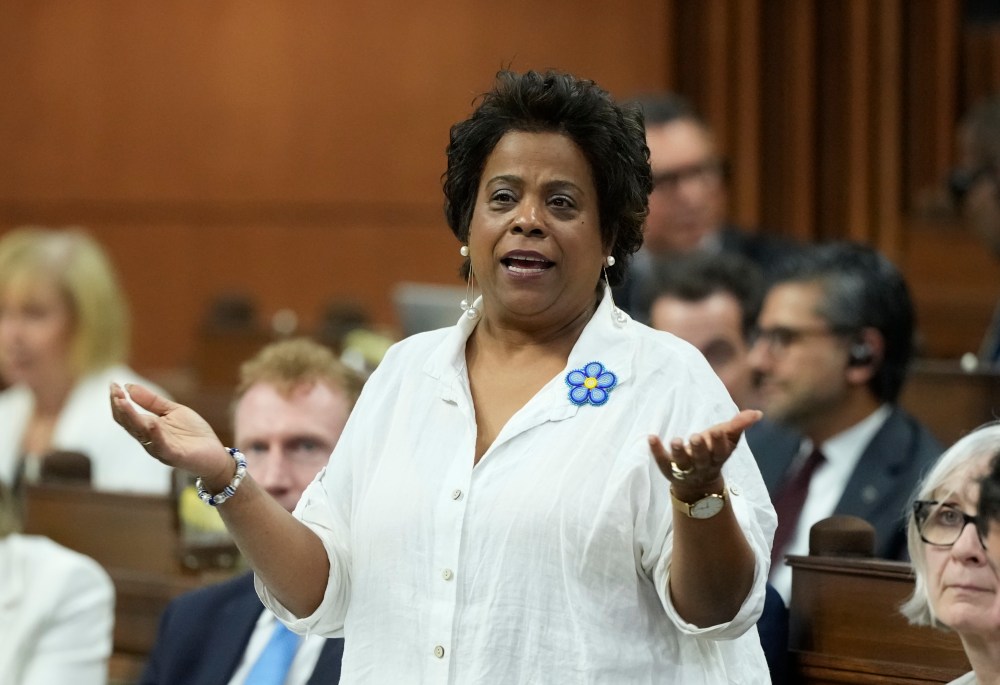
Ottawa agreed to extend a $1.2-billion annual funding agreement for mental-health and substance-use treatment, home care and community care by one year. That’s welcome, but it hardly provides the certainty provinces need to maintain existing programs, never mind expand services to meet growing demand.
The agreement was set to expire March 31, 2027. Now provinces have another year before facing the same uncertainty all over again.
Manitoba Health Minister Uzoma Asagwara was right to warn that provinces remain exposed to an enormous fiscal cliff. About 30 Manitoba programs rely on the agreement, according to Housing, Addictions and Homelessness Minister Bernadette Smith. Any reduction could have serious consequences for services and the people who depend on them.
The problem extends beyond this agreement.
Provinces are also seeking predictable increases to the Canada Health Transfer, the main federal funding stream supporting provincial health-care systems. Provincial health minsters want annual increases of at least five per cent to help keep federal contributions in line with the cost of delivering care.
Given rising costs in health care, growing demand and an aging population, that’s hardly an unreasonable request.
Federal Health Minister Marjorie Michel suggested that agreements signed a decade ago need updating and governments must be creative about changing how care is delivered. Fair enough. Health-care systems need to evolve, and provinces should improve efficiency and ensure public money produces measurable results.
But reform and stable funding aren’t mutually exclusive. Predictable funding is essential to meaningful reform.
How can a province develop a five- or 10-year plan to expand community-based mental-health care, build treatment capacity or shift patients out of hospitals if it doesn’t know whether Ottawa will continue paying its share?
These programs require trained staff, facilities and partnerships with community organizations. They involve commitments that extend well beyond a single budget year. Provinces can’t responsibly hire staff and establish new services if federal funding could disappear or be substantially reduced before those programs have a chance to succeed.
That uncertainty also undermines efforts to reduce pressure on hospitals. Expanding home care, addiction treatment and community-based services can help prevent people from needing more expensive hospital care. But those alternatives require sustained investment, not a succession of short-term funding extensions.
Manitoba’s Canada Health Transfer allocation has increased from about $1.3 billion in 2017-18 to $2 billion in 2026-27. That’s significant growth, but provinces need to know what they can expect in the years ahead, not simply what Ottawa has provided in the past.
Michel said officials would begin work on the next round of negotiations and meet again before the end of the year. That’s a process, not a commitment.
Provinces need a durable funding framework with predictable annual increases that at least keep pace with inflation and reflect growing demand. Ottawa can still insist on accountability and better ways of delivering care.
But it cannot reasonably expect provinces to plan responsibly while leaving them staring at a funding cliff.
If the federal government wants better health care for Canadians, it needs to give provinces the financial stability to plan for the next decade, not just survive the next fiscal year.
» Winnipeg Free Press