
Legion Athletic Camp left indelible impression
Advertisement
Read this article for free:
or
Already have an account? Log in here »
We need your support!
Local journalism needs your support!
As we navigate through unprecedented times, our journalists are working harder than ever to bring you the latest local updates to keep you safe and informed.
Now, more than ever, we need your support.
Starting at $15.99 plus taxes every four weeks you can access your Brandon Sun online and full access to all content as it appears on our website.
Subscribe Nowor call circulation directly at (204) 727-0527.
Your pledge helps to ensure we provide the news that matters most to your community!
To continue reading, please subscribe:
Add Brandon Sun access to your Free Press subscription for only an additional
$1 for the first 4 weeks*
- Enjoy unlimited reading on brandonsun.com
- Read the Brandon Sun E-Edition, our digital replica newspaper
*Your next Free Press subscription payment will increase by $1.00 and you will be charged $20.95 plus GST for four weeks. After four weeks, your payment will increase to $24.95 plus GST every four weeks.
Read unlimited articles for free today:
or
Already have an account? Log in here »
Hey there, time traveller!
This article was published 25/01/2020 (2309 days ago), so information in it may no longer be current.
Brian Marshall was there at the very beginning of the Legion Athletic Camp.
In 1962, the former Brandon Sun managing editor met George Phillips and Fred Taylor, who co-founded the camp with national track coach Geoff Dyson, and they discovered he was coaching track. The pair invited him down to the International Peace Garden to serve as a guest coach, beginning a 44-year relationship with the facility for Marshall.
After coaching, he later moved into administration for three decades.
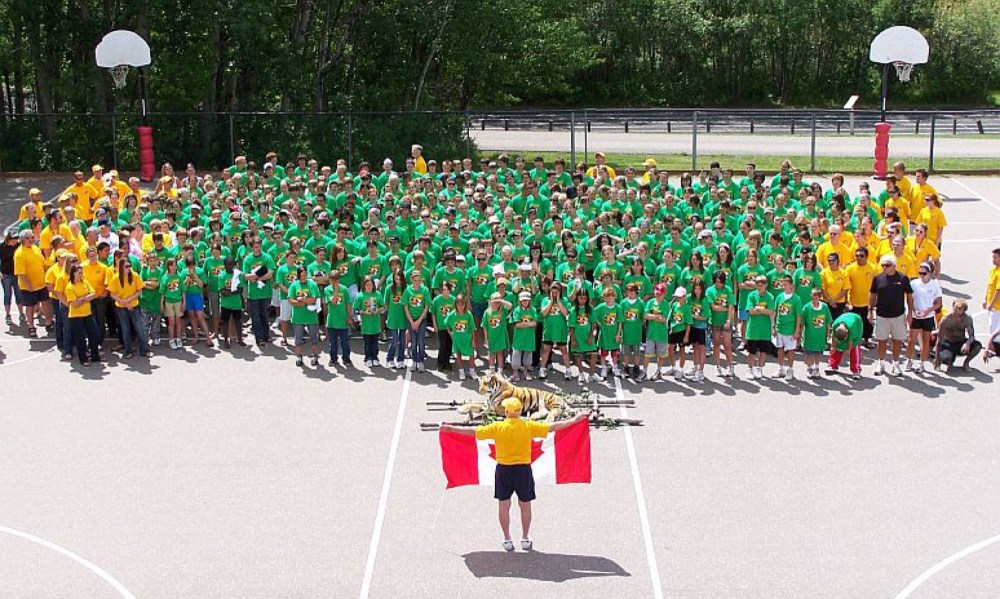
Marshall’s direct association with the facility ended in 2006, but he acutely felt the news that the camp was closing for good when it was released two weeks ago.
“I kind of knew it was going to happen and I felt really helpless to do anything about it,” Marshall said. “Everything has a lifespan, and they had over 50 years.”
Director Andrew Kitchen said the final decision was made by the Legion Athletic board earlier this month in Winnipeg, based on input from a number of sources, including the national Legion. Funding had been reduced by the national body and there were mounting maintenance costs on the aging facility, putting more pressure on the attendance figures to stay strong.
That wasn’t the case.
“We’ve had dwindling numbers in the last couple of years,” Kitchen said. “We’ve had dropping numbers, and we weren’t able to keep up with lots of renovations that were needed at the sports camp.”
He said the facility needed “serious renovations,” adding there was also many mechanical problems with things like the vehicles needed to haul equipment around.
“It was just breaking down slowly, bit by bit,” Kitchen said.
It was an inauspicious end to a project that had remarkable staying power and impact on its staff and campers for more than five decades.
Marshall said much of the credit for the camp’s surge in popularity belongs to Phillips.
“He was a real innovator, and probably the most intelligent human being I ever knew,” Marshall said. “He became one of my closest friends and put his heart and soul in there. He said he never saw a Winnipeg summer in the 50 years he was involved in the camp.”
In the early 1960s, Phillips and Marshall drummed up interest in the new undertaking by travelling the province to speak to local Legion branches, which would then spread the word in their communities.
By the second year, the camp had doubled in size and kept expanding, with volleyball, basketball, soccer and even an equestrian program added.
“Were all the camps successful? No, we had some that didn’t go so well,” Marshall said. “We tried a cycling camp and it bombed but for the most part, most of the camps were reasonably successful and we just kept building on them as we saw a need.”
He said the biggest camps came in the 1980s and 1990s, with more than a thousand athletes attending over the summer.
One popular attraction was the wilderness camp, where the youngsters would spend a night or two in the dormitory and then disappear into the bush for a week with instructors.
The Legion Athletic Camp also attracted some extremely talented athletes, including future Olympians and Commonwealth and Pan Am games participants. That list includes decathlete Michael Smith, who represented Canada at three Olympics and won three Commonwealth gold medals.
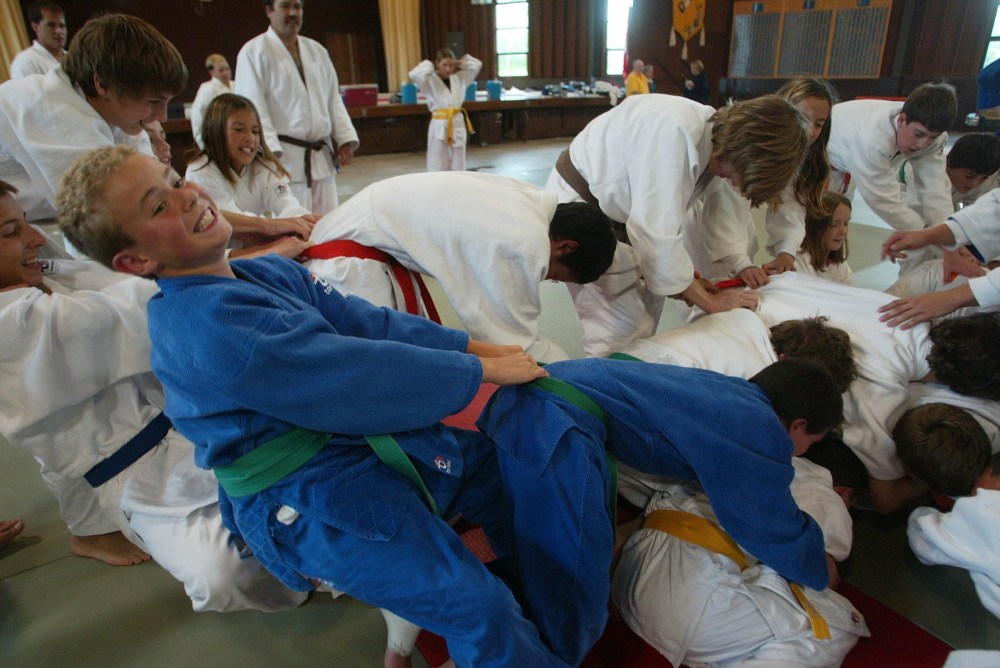
He attended for four or five years.
“When he first came there he was a little kid about four-foot-seven or so and in his final year he was about six-foot-five,” Marshall remembered with a chuckle. “It was a joy to watch him not only grow physically but grow in the sport.”
But he’s quick to add the camp’s purpose wasn’t to produce high-end athletes, even if some did develop.
“The object of the camp was just to give the average kid a shot at a sport he or she loved or wanted to try or grow in,” Marshall said.
In 1962, the International Music Camp was already running at Peace Garden with dormitories and other facilities, so it was a natural fit for the athletic camp, which is owned by the Royal Canadian Legion Sports Foundation.
The camp, which operated in July and August for six weeks, drew athletes from virtually every Canadian province and territory, with the Lakehead region in northwestern Ontario particularly well represented every year, along with a flood of Manitobans.
Marshall said the facility was always well supported. In one instance, he bought a building for $1 that he hoped to move out to the site. The only problem was the cost of transporting it, which was $2,500.
Brandon businessman Bill Fotheringham heard about his plight, and immediately wrote him a cheque. The building subsequently served for years as storage for the equestrian program.
Elsewhere at the facility, one dorm held 100 people, while two others, located under the gymnasium, could accommodate 40 people each.
Marshall said the decline started by the early 2000s, and accelerated after Phillips was replaced as administrator.
“We put heart and soul into that thing,” Marshall said. “We lived that camp 365 days a year.”
He moved to Vancouver Island in 2005, and he stepped away a year later after discovering it was just too hard to stay involved remotely.
Neepawa track athlete Daxx Turner attended the camp for the last six years. While he had aged out of participating in the track camp — teens couldn’t participate after they turned 18 — he was saddened by the news.
“I really enjoyed it,” Turner said. “It’s pretty disappointing. I knew I wouldn’t be going back because I was too old to go the camp again but I think it was a great experience. It’s disheartening to me that younger kids won’t be able to take on those challenges of going there for a week and training with some of the best coaches in the province … It kind of shapes you as a person and there are friendships you make there. I’ve known someone there since I went my first year and we still talk today.”
Turner said the friendships formed quickly, in part because of the physical exertion the teenagers all shared.
“We were all in the same kind of pain so we all had something to talk about,” Turner said with a chuckle. “There was no place for judgment or embarrassment. It broke us down to bring us up.”
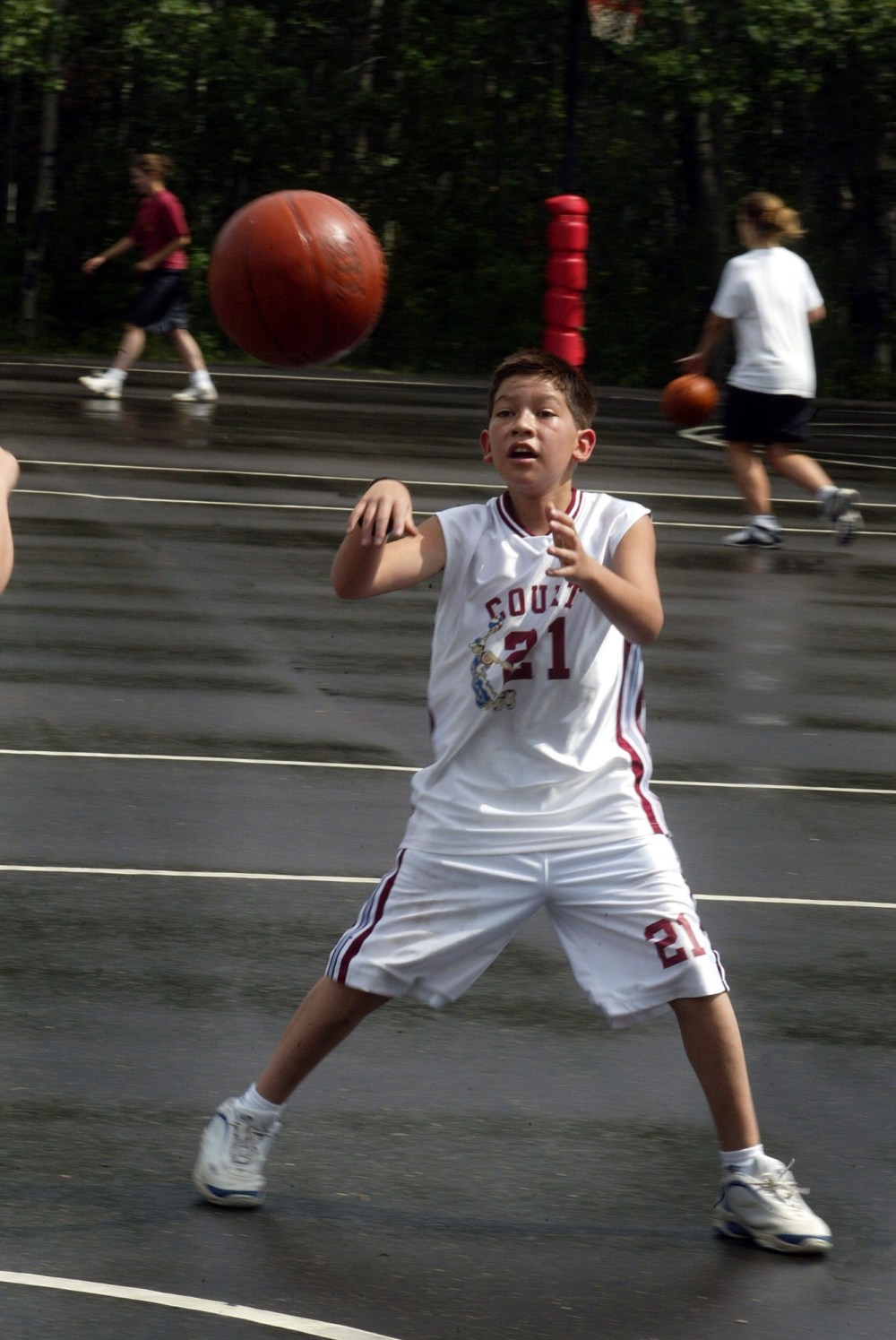
Kitchen, who lives in Saskatoon, has his own long history with the camp. After attending as a camper at age 15, he became the soccer coach at 21 and was the 33-year-old director when the facility was shuttered for good.
He first started to notice a large drop in attendance numbers about six years ago. He served as head coach of the soccer camp, a program which was axed four years ago due to low numbers. He took over as director at that point, and got his first in-depth look at the drop in attendance in other programs.
“It’s been very disappointing,” Kitchen said. “Because of being director I’ve been running a lot of social media stuff and I’ve been getting an influx of people thanking us for the camp. I really got to notice how many kids we affected and brought these great memories to. I’ve been there for a long time. It was summer time to me. I was going there at least for two weeks almost every summer, and lots of my friends — I live here in Saskatchewan — who I never get to see from Winnipeg and Brandon would come down and I would get to see them. It was a great time and something that I’m really, really going to miss.”
The camp board will deal with the potential distribution of existing equipment, and also what will happen with the buildings. Kitchen expects future meetings with the Peace Garden board and the national Legion board will be necessary to iron out some of those issues.
Marshall, who served a dual role by also sitting on the board of the Peace Garden for more than 20 years, assumes the buildings will default to the Peace Garden, and wonders if they will find a way to use them.
Kitchen said he’s had some messages from supporters of the facility wondering how they could help to keep it alive, but he isn’t optimistic.
“I don’t see it being too much of a chance,” Kitchen said. “Just the way our numbers were dwindling and trying to compete with all the sports camps the bigger cities are having, it’s really difficult.”
Regardless, Kitchen said the impact of the Legion Athletic Camp will ripple into the future.
“I’m proud to say now that I’ve reflected on it after this is that the camps have brought a lot of laughter and a lot of friendships and long-lasting friendships,” he said. “I’ve heard of people who met their wife there … and I’ve heard of tons of athletes who have gone on to compete at the national level and provincial and are doing really well in sports.
“I’m hoping the long-term legacy is the memories that these kids have and that they enjoyed building the friendships. When they grow older, they can teach their kids and involve their kids in activities such as this. Even if it’s not at the Garden, it will be somewhere else.”
» pbergson@brandonsun.com
» Twitter: @PerryBergson