
SCARS AND STRIPES: Abuse among factors driving officials away
Part 2: Quit
Advertisement
Read this article for free:
or
Already have an account? Log in here »
We need your support!
Local journalism needs your support!
As we navigate through unprecedented times, our journalists are working harder than ever to bring you the latest local updates to keep you safe and informed.
Now, more than ever, we need your support.
Starting at $15.99 plus taxes every four weeks you can access your Brandon Sun online and full access to all content as it appears on our website.
Subscribe Nowor call circulation directly at (204) 727-0527.
Your pledge helps to ensure we provide the news that matters most to your community!
To continue reading, please subscribe:
Add Brandon Sun access to your Free Press subscription for only an additional
$1 for the first 4 weeks*
*Your next subscription payment will increase by $1.00 and you will be charged $20.00 plus GST for four weeks. After four weeks, your payment will increase to $24.00 plus GST every four weeks.
Read unlimited articles for free today:
or
Already have an account? Log in here »
Hey there, time traveller!
This article was published 14/07/2022 (1321 days ago), so information in it may no longer be current.
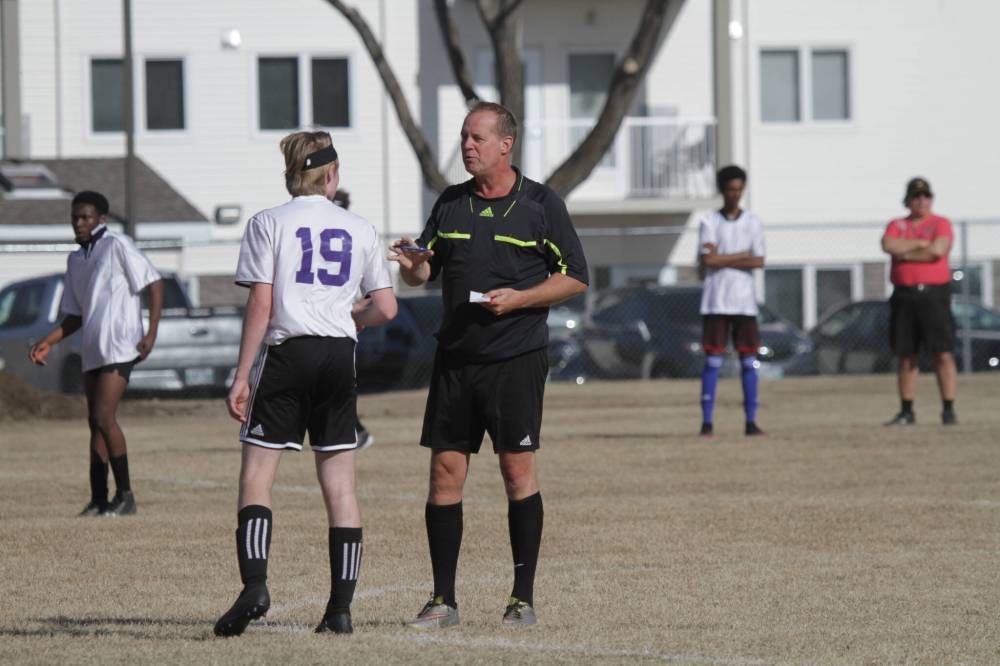
As Graham Forsyth slid his yellow card back in his pocket, the futsal player he issued it to spat in his face. Half a decade later, he flies around the country officiating Canadian Premier League soccer matches.
Reid Kenyon had a mob of Puerto Rican basketball fans storm the court then wait outside an arena for more than an hour to get a piece of him after a professional playoff game, before armed guards escorted his crew to safety. He worked the U Sports men’s basketball final in Edmonton in April.
That isn’t normal. Continuing a part-time job after an assault or near lynching isn’t normal. But all of Manitoba’s level-headed soccer and basketball enthusiasts can agree their sport is better off with Forsyth and Kenyon involved. They’re among the province’s best in their crafts as a national assistant referee and former international official, respectively.
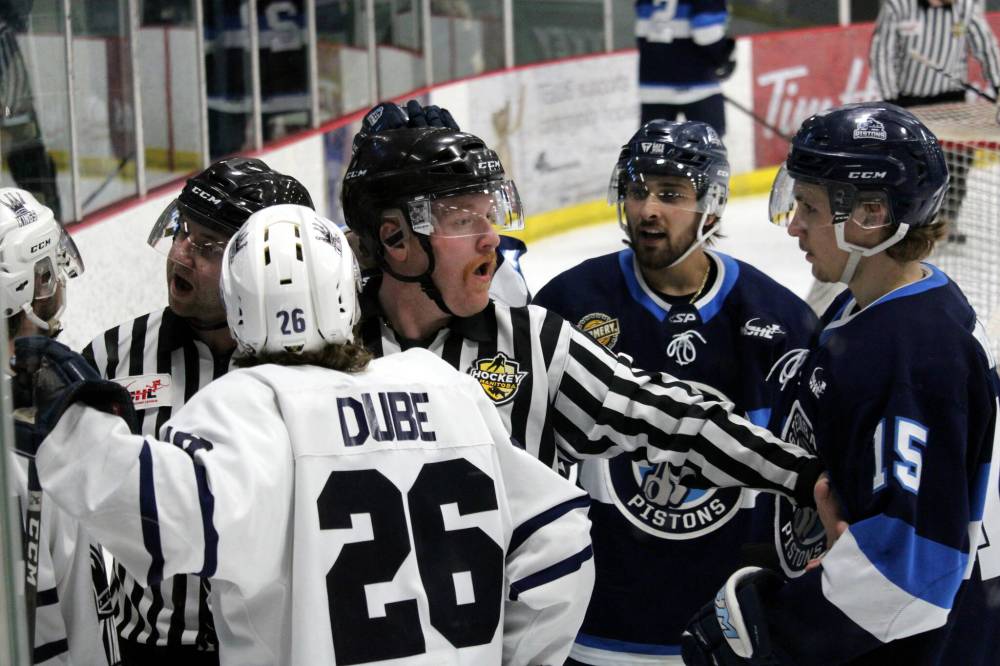
They’re seasoned veterans who developed a remarkably thick skin, but that should never have been an invitation for abuse.
“It’s difficult. It’s assault, doesn’t feel good,” Forsyth said. “… You kind of learn to distance your emotions from people’s reactions, people’s behaviour. That specific person’s not behaving a way because of me, they’re behaving because they’re perceiving whatever I’m doing in a way they’re displeased with. I don’t take that personally.
“… You separate yourself from someone else’s behaviour but obviously it’s disgusting and you want that stuff out of the game and those people to never be participating in that environment.”
Not that it matters, but video review confirmed both of their calls to be 100 per cent correct. Imagine your health being put at risk for doing your job properly.
• • •
It’s understandable that more than 50 per cent of officials quit before their second year according to Val Pelleck, Softball Manitoba’s deputy umpire in chief, who is on the national recruitment and retention committee built to address that exact issue.
Myriad factors influence them to leave, including other jobs and lifestyle changes, but the No. 1 factor is abuse.
“They don’t enjoy the pressure, don’t enjoy being in that role on the field,” Pelleck said.
“I can see it when a lot of them start. They’re really enthusiastic, they see dollar signs and the money they can make because maybe they’re too young to get a ‘real job,’ You put them in a game and it’s fine until there’s a close play, there’s confusion or someone says something disrespectful and they don’t know how to handle it.”
The best combatant for abuse is support.
A veteran umpire taking the plate for a tough ball game and easing a rookie in with a supporting role works wonders for a couple of reasons. The youngster learns from watching years of experience at work. If they make a mistake, the veteran can step in and correct it or calm an angry coach down. If disrespectful comments come out, the vet can offer quick support and constructive feedback.
• • •
The issue is many new officials don’t get crews to work with. While basketball, hockey and football games always have multiple referees, some sports send a mentor out for a rookie’s first couple of games then leave them on their own. They work low-level games that move more slowly and don’t have the same ramifications of a university match or provincial championship. However, in the moment, people think their under-11 exhibition game is the biggest thing in the world.
When high-level officials work games that aren’t well below their capacity, they’re almost always paired up with equally talented teammates. They’re usually friends, too, as the inner circle of any sport’s zebras is a tight-knit bunch. Once you’re “in,” it’s easier to stay in.
But officials aren’t getting to that point before dropping out and that’s a vicious cycle. The fewer there are, the more they have to work alone. The more they work alone, the less they enjoy it.
Baseball Manitoba executive director Jason Miller told the Sun it had about 500 umpires in 2019 and that number dipped to 400 in the past two seasons, in part due to the COVID-19 pandemic. Miller said he’d like to see 600, meaning umpires are currently working 50 per cent more games than they should or aren’t part of adequate-sized crews in order to cover all the games on any given day.
Basketball Manitoba has about 250 senior-level referees and was over 300 before COVID-19. It also had about 150 junior referees (age 15-17 or brand new). Again, the ideal number is higher.
Volleyball Manitoba usually has 135-140 and would like more than 160.
Manitoba Soccer Association expected to field between 250 and 300 referees this season and put out a statement in June noting it had 89 senior and 216 referees, a massive drop from 120 and 400 three seasons ago.
• • •
Baseball Manitoba’s vice-president of umpires, Ashton Liskie, noted umpires take about five seasons to fully learn the rules and how to apply them. That’s in part due to the short season.
Some sports like hockey and soccer — with its outdoor and indoor leagues employing the same refs — run long enough to serve as decent supplemental income.
But ball games only run for about 10 weeks, so umpiring is far from part of anyone’s consistent, year-round routine. A longtime umpire and former hockey referee himself, Liskie emphasizes the precarious spot umpires are placed in with coaches copying Major League Baseball managers and getting in umpires’ faces.
“Baseball, it’s a lot more intimate whereas hockey you’re protected by the glass, protected by the boards, you’ve got your safe haven. Baseball it’s a three-foot fence and a backstop but they’re in your face or can be,” Liskie said.
“Who would like to go to work and get yelled at for two hours at a time and get up and do it again tomorrow? … That wears on umpires.”
Treat officials better and they’re more likely to stay, improve and give you less to complain about.
Two years ago, Manitoba Soccer Association followed a trend started in Europe by offering new officials purple uniforms to wear if they wish. Those who abuse or mistreat an official in purple are subject to “hefty suspensions and fines,” and the officials are allowed to abandon a match if they feel abused or mistreated.
All because we as a collective soccer community fail to default to being good people.
“Why do we as a society tolerate treating officials as sub-par humans?” Forsyth asks.
“Why does this 14-year-old kid that puts on a jersey and wants to referee 10-year-old soccer, why is it OK for an adult to yell at them because they didn’t call a foul they wanted?
“Why is it OK for that as adults that a senior soccer referee that enjoys refereeing, that puts their kids to bed and wants to go ref a game at the complex, why is it OK that … they’re taking abuse because people don’t agree with a specific call or decision?”
• • •
The other reasons officials quit are typically lifestyle changes, kids, new jobs that don’t accommodate their sport’s schedule or — for the ones in it solely for the money — raises. Officiating typically pays $20-$30 per hour, so it’s a great part-time job but less attractive once a person is in a higher-paying career.
Those are largely out of our control, however, so it’s important to focus on the issues our actions impact.
To some degree, we simply need more officials like Forsyth, who have the confidence and emotional strength to handle inevitable abuse.
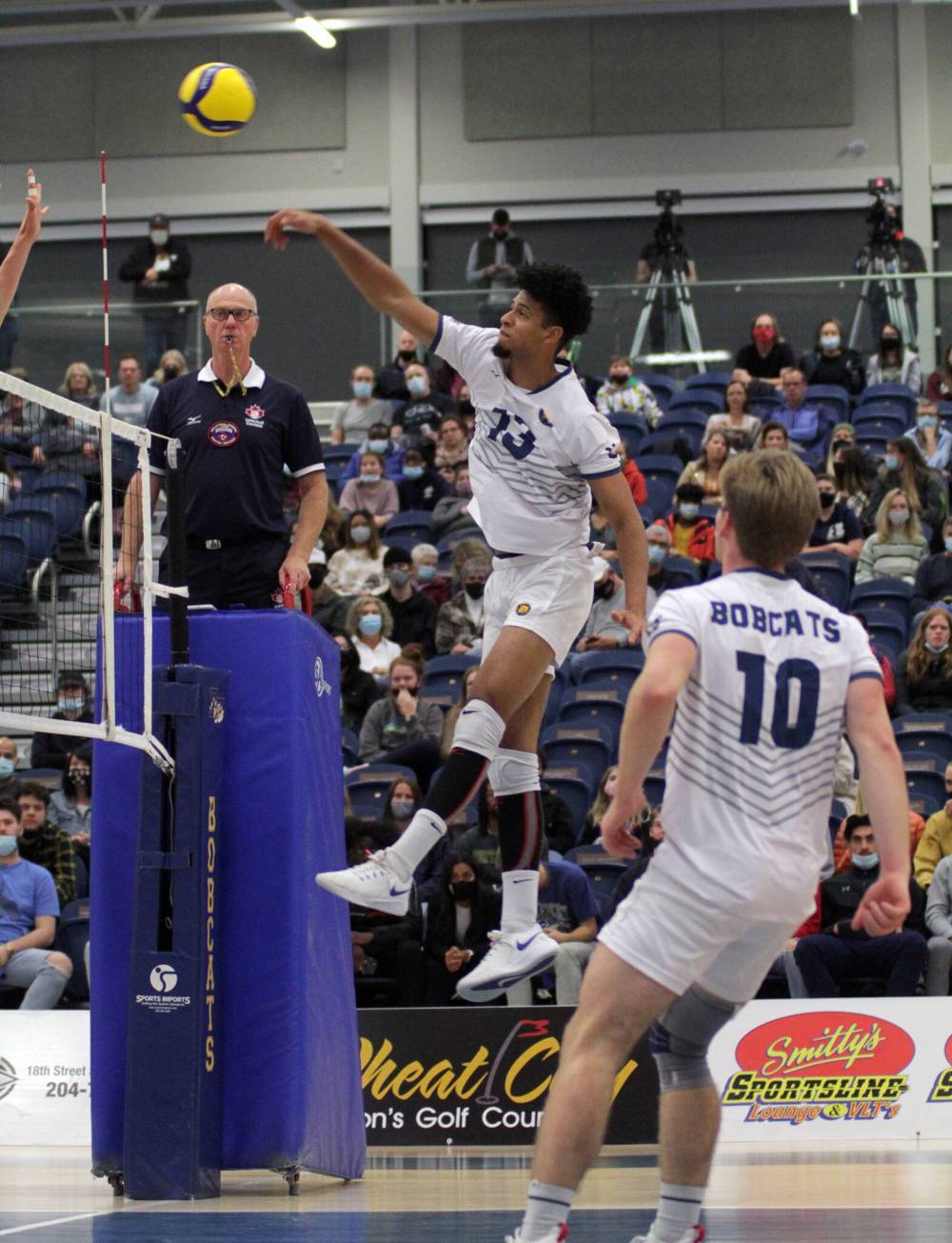
That’s a mindset shift Glenboro’s Kevin Newton made to tackle tough university volleyball matches. He recognizes how important they are to coaches who may have jobs on the line and players who train for countless hours to chase a national championship.
“They expect 100 per cent effort and performance from the officiating team and I don’t have a problem with that,” Newton said. “Maybe that’s part of the game I really enjoy because I find that challenging and when I go into a game, I have to perform. As I get older, it gets harder sometimes but those personal challenges are fun.
“For me, I look forward to them and I learn from them. If we are fortunate enough to do a good job, the whole team that night, that’s great. That’s just good stuff and that brings people together.”
The longer officials stick around, the less likely they are to quit. Part 3 in tomorrow’s issue of The Brandon Sun explains why.
» tfriesen@brandonsun.com
» Twitter: @thomasmfriesen