
GONE GARDENIN’: Grinning jack-o’-lantern ties bow around garden season
Advertisement
Read this article for free:
or
Already have an account? Log in here »
We need your support!
Local journalism needs your support!
As we navigate through unprecedented times, our journalists are working harder than ever to bring you the latest local updates to keep you safe and informed.
Now, more than ever, we need your support.
Starting at $15.99 plus taxes every four weeks you can access your Brandon Sun online and full access to all content as it appears on our website.
Subscribe Nowor call circulation directly at (204) 727-0527.
Your pledge helps to ensure we provide the news that matters most to your community!
To continue reading, please subscribe:
Add Brandon Sun access to your Free Press subscription for only an additional
$1 for the first 4 weeks*
- Enjoy unlimited reading on brandonsun.com
- Read the Brandon Sun E-Edition, our digital replica newspaper
*Your next Free Press subscription payment will increase by $1.00 and you will be charged $20.95 plus GST for four weeks. After four weeks, your payment will increase to $24.95 plus GST every four weeks.
Read unlimited articles for free today:
or
Already have an account? Log in here »
Hey there, time traveller!
This article was published 27/10/2011 (5477 days ago), so information in it may no longer be current.
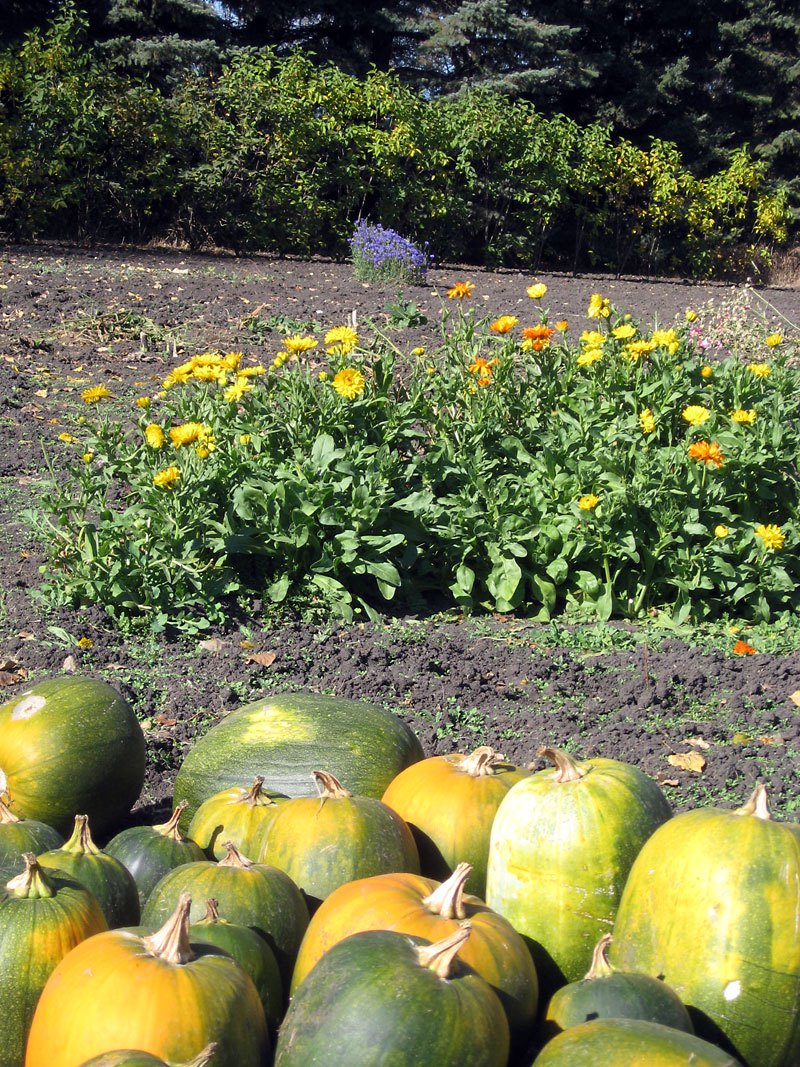
Probably the last “gathering in” of produce from the vegetable patch in the fall is the pumpkin harvest. As we drive along highways at this time of year where there are market gardens, we see piles of pumpkins that have been picked off the frozen vines and are ready for pickup.
Halloween, of course, is just around the corner and pumpkins play a major part in the celebration of this event. Most children want to be able to carve a jack-o’-lantern for Halloween and I know several adults who still carve pumpkins every Halloween.
Growing pumpkins is sometimes a bit of a challenge because they take lots of heat units in order to develop and ripen in time to avoid fall frost before they are fully developed. Immature pumpkins will not grow any more after the vines are frozen and immature pumpkins do not store well.
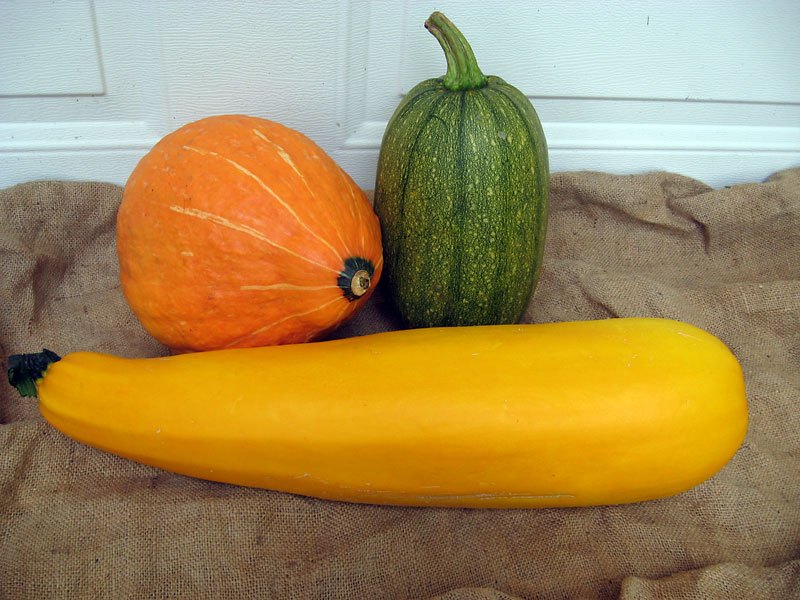
If pumpkins are still green when they are harvested, they will ripen and turn orange, but only if they are not overly soft and immature. The best pumpkins are those that have turned bright orange on the vine, have a hard skin, and are fully ripened.
There are all sorts of varieties of pumpkins, and when we are choosing seed in the spring, the choice can be a bit overwhelming. The first category is often referred to as pie pumpkins because they have a fine texture to their flesh, they are not too large, and they ripen relatively early on the vine.
The texture of the flesh of a pie pumpkin is important because cooks demand that the flesh not be stringy or tough. They also want a nice rich orange-coloured flesh to make such delicacies as pumpkin pie.
The second category of pumpkins is the large exhibition type. These are the huge monstrosities that are grown for competition to see who can grow the largest pumpkin and these giants can weight hundreds of kilograms.
Usually these pumpkins are not shaped like the traditional Halloween pumpkin and often appear lumpy and misshapen because they grow so large so quickly and are so heavy that they sag and change shape under their own weight.
These pumpkins are often fed special food, watered daily and sheltered from the elements. They often are placed on a bed of straw or other material to keep them clean and to protect their shells from being marked. Few people grow them; this is a class for the fiercely competitive.
There also are what we call the jack-o’-lantern pumpkins. These are usually slightly larger than many of the pie pumpkins and have the classic pumpkin shape, with a bright orange colour and smooth ribs all the way around.
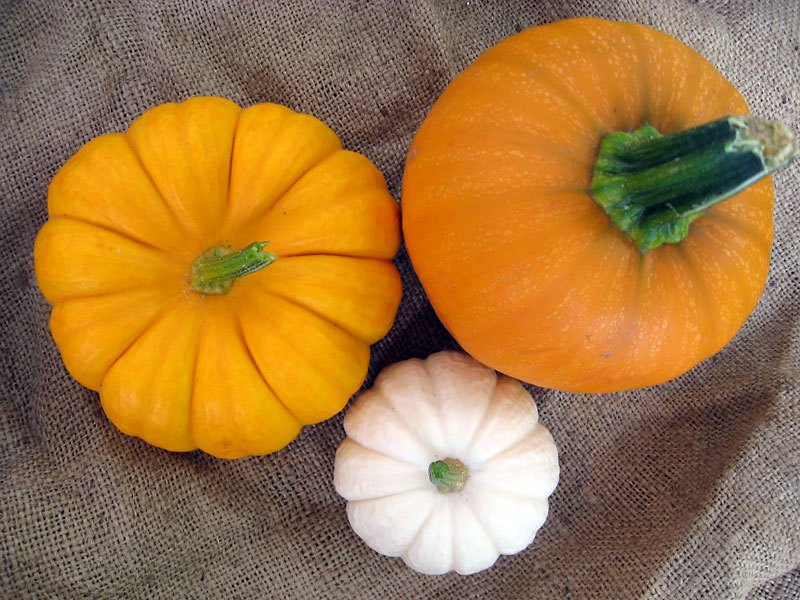
Unique decorative and specialty pumpkins have gained in popularity over the last few years so that now you can grow pure white pumpkins, “blue pumpkins” or even multi-coloured pumpkins. These are grown mainly for the pumpkin carving market and sold to folks who want to impress people with their unusual jack-o’-lanterns carved out of “designer” pumpkins.
Let’s not forget the mini-pumpkins like ‘Baby Boo’ and ‘Jack-Be-Little’, which are used to create autumn displays for both the interior of the home and for the outdoors. These have really gained in popularity over the last few years and big box stores now sell these decorative pumpkins by the truckload.
Pumpkins need lots of sun, lots of water, and rich soil. Do not try to grow pumpkins if you lack garden space because most pumpkins produce rambling vines; one plant can cover several square metres in the garden.
If you want to minimize the space taken up by your pumpkins, plant them next to the corn as the vines rambling through the corn patch will do no harm to the corn, as it is tall enough to rise above the pumpkin vines. They do make the task of picking the corn a bit of a challenge, however.
It is time to get out the knife and the imagination and start to carve your jack-o’-lantern for another year. We set ours out on the driveway on Halloween night to greet visitors who come for treats.
A tea light candle or an old stub of a pillar candle will do to place inside the pumpkin to illuminate whatever face you give it.
I hope trick-or-treaters are greeted by a grinning jack-o’-lantern on your step when they call around for treats this Halloween. Have fun!
Albert Parsons is a consultant for garden design and landscaping who lives in Minnedosa.
» communitynews@brandonsun.com