
Gone Gardenin’ – AAS rolls out award winners for your garden
Advertisement
Read this article for free:
or
Already have an account? Log in here »
We need your support!
Local journalism needs your support!
As we navigate through unprecedented times, our journalists are working harder than ever to bring you the latest local updates to keep you safe and informed.
Now, more than ever, we need your support.
Starting at $15.99 plus taxes every four weeks you can access your Brandon Sun online and full access to all content as it appears on our website.
Subscribe Nowor call circulation directly at (204) 727-0527.
Your pledge helps to ensure we provide the news that matters most to your community!
To continue reading, please subscribe:
Add Brandon Sun access to your Free Press subscription for only an additional
$1 for the first 4 weeks*
- Enjoy unlimited reading on brandonsun.com
- Read the Brandon Sun E-Edition, our digital replica newspaper
*Your next Free Press subscription payment will increase by $1.00 and you will be charged $20.95 plus GST for four weeks. After four weeks, your payment will increase to $24.95 plus GST every four weeks.
Read unlimited articles for free today:
or
Already have an account? Log in here »
Hey there, time traveller!
This article was published 12/01/2012 (5400 days ago), so information in it may no longer be current.
When gardeners purchase bedding plants in the spring to plant in their outdoor gardens, they are often looking for something new and different.
However, they also want to know that the plant varieties they choose will perform well for them in their beds, borders and containers. It is very annoying, to say the least, to have a highly acclaimed new variety, one we have been enticed to buy, become a major disappointment in the garden.
Commercial plant propagators routinely roll out their new varieties with fanfare by using extensive advertising and by persuading garden centres to buy their new varieties and then promote them for sale in their businesses. All of these plants will have large plant tags to identify the company that developed them.
Although many of these new varieties perform well, they sometimes are put on the market without extensive testing in a variety of locations, so while they may perform well under some circumstances, they may fail to do so well in other regions. The promotion of these varieties is hardly unbiased.
One group that does extensive testing and promotes only those new varieties that perform well in test gardens throughout North America is the All America Selections. It is a non-profit organization with trial sites throughout North America, including those located at Bowden and Devon in Alberta, Dundas, Guelph, and St. Catherine’s in Ontario, York in P.E.I., and Laval in Quebec.
The trial grounds are usually located at universities, in seed company plots, or at horticultural institutions, and at least one volunteer judge (unpaid) is stationed at each trial ground to evaluate the trial varieties and to finally, at the end of the growing season, give each a score.
Only varieties that receive the highest average scores from all of the AAS judges are declared winners of the AAS award of merit.
The AAS symbol is respected by commercial growers and home gardeners alike because of its rigorous and impartial testing. The winners must have shown novel form, colour, or resistance from disease and insects — and for flowers, improved florescence, fragrance, or length of bloom period
In 2012, the AAS judges awarded their seal of approval to four new varieties, one flower and three vegetables — although one of the vegetables is grown mainly as a decorative plant.
‘Black Olive’ ornamental pepper was noted for its dark purple foliage, its pale purple flowers, and its dark, almost black fruit which turns red upon ripening on the plants.
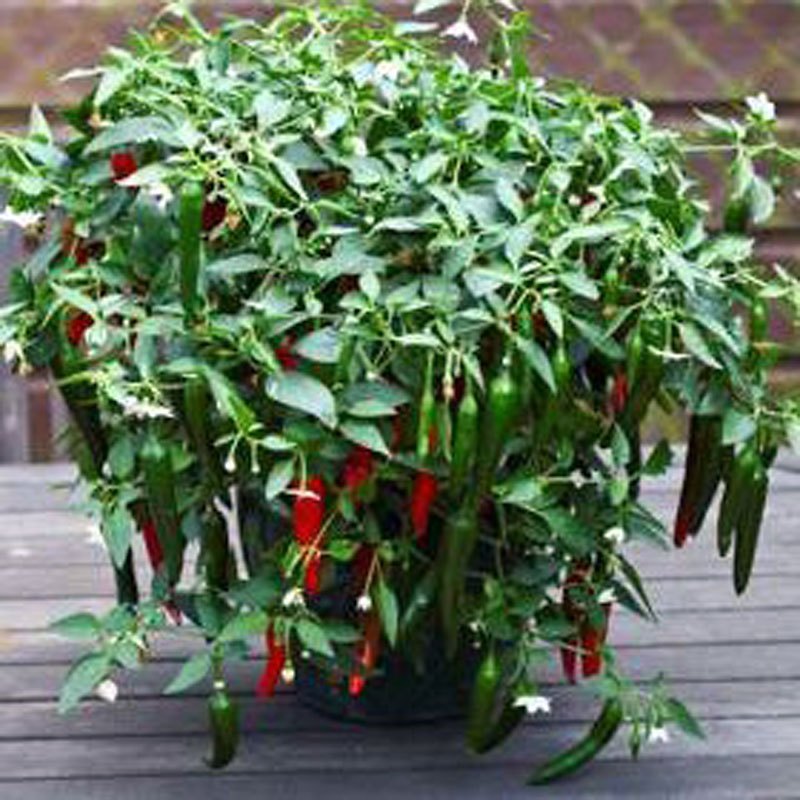
The plants are about 30 centimetres tall, prefer full sun, and produce peppers that are indeed edible. Another pepper, grown mainly as a food crop, also gained the judges’ nod.
‘Cayennetta’ pepper produces mild, three to four inch chili peppers on well branched plants. The 40 cm plants have dense foliage and do best when grown in full sun.
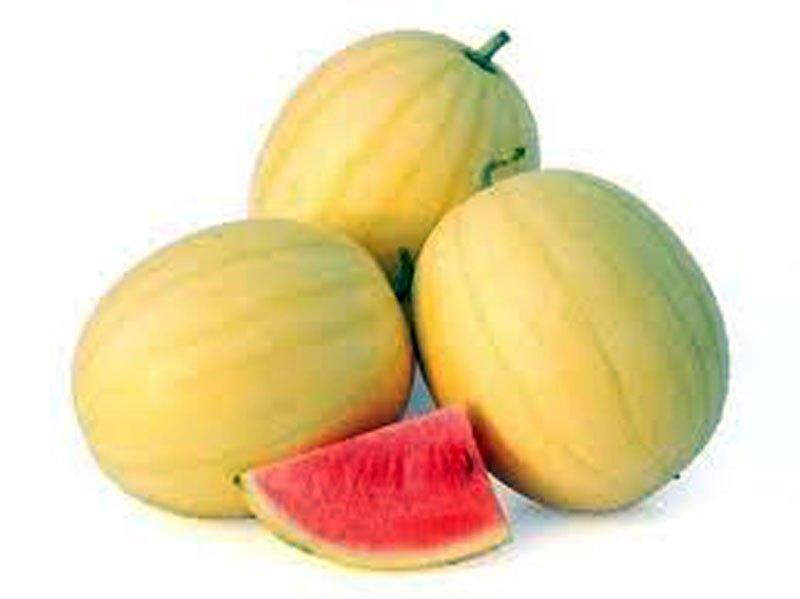
The other winning vegetable was ‘Faerie’ watermelon. It has unique creamy yellow, striped rind and sweet, pink-red flesh. The four to six pound fruits are produced on vines that spread over four metres, so this plant is best suitable for a larger garden.
‘Faerie’ watermelon has crisp flesh that has a high sugar content and the plants have good resistance to disease and insects. Like most vegetables, it should be grown in full sun.
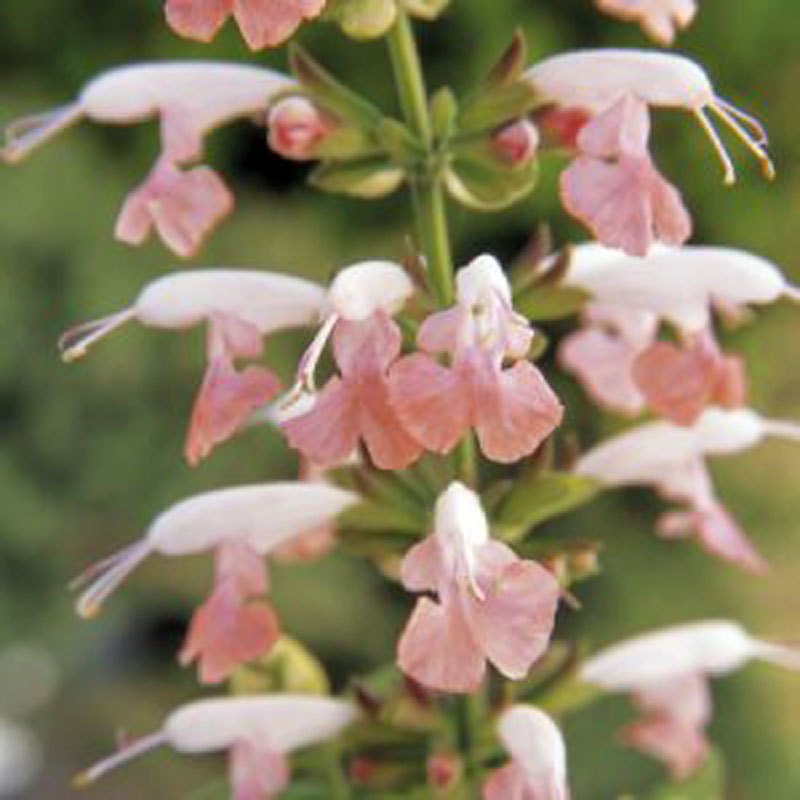
Only one flower captured the judges’ attention enough to win an award. Salvia ‘Summer Jewel Pink’ is a variety of Salvia coccinea, as opposed to the more common bedding salvia Salvia carabiniere, or the familiar Salvia farinacea, such as the well known ‘Victoria’ strain.
I am very interested in trying this salvia as I have grown a variety of Salvia coccinea for years called ‘Lady in Red’ and I like the blousy, informal growth habit of these 50 cm tall plants. They are not as formal and stiff as the carabiniere types and have a wider colour range that the farinacea bedding salvias.
Judges found Salvia ‘Summer Jewel Pink’ to be an early bloomer and to have a compact growth habit, growing only to 30 cm. Its coral-pink blooms put on a fine show in the summer garden.
The AAS award winners will appear in garden centres this spring; they will have been grown from seed by the greenhouse operators and you may have to read the fine print on the bedding plant tags to find out that they are AAS winners. They are designated in seed catalogues as having won the AAS designation.
Albert Parsons is a consultant for garden design and landscaping who lives in Minnedosa.
» communitynews@brandonsun.com