
Substitute and Solve – Here is one household superstar: Cornstarch!
Advertisement
Read this article for free:
or
Already have an account? Log in here »
We need your support!
Local journalism needs your support!
As we navigate through unprecedented times, our journalists are working harder than ever to bring you the latest local updates to keep you safe and informed.
Now, more than ever, we need your support.
Starting at $15.99 plus taxes every four weeks you can access your Brandon Sun online and full access to all content as it appears on our website.
Subscribe Nowor call circulation directly at (204) 727-0527.
Your pledge helps to ensure we provide the news that matters most to your community!
To continue reading, please subscribe:
Add Brandon Sun access to your Free Press subscription for only an additional
$1 for the first 4 weeks*
- Enjoy unlimited reading on brandonsun.com
- Read the Brandon Sun E-Edition, our digital replica newspaper
*Your next Free Press subscription payment will increase by $1.00 and you will be charged $20.95 plus GST for four weeks. After four weeks, your payment will increase to $24.95 plus GST every four weeks.
Read unlimited articles for free today:
or
Already have an account? Log in here »
Hey there, time traveller!
This article was published 16/01/2014 (4496 days ago), so information in it may no longer be current.
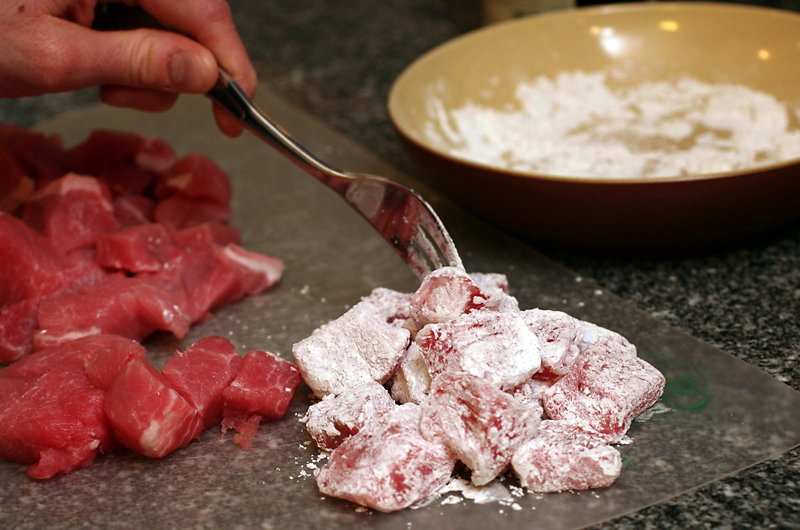
What is cornstarch? Cornstarch, sometimes called corn flour, is the starch of corn. It is ground from the endosperm or white heart, of the corn kernel.
Cornstarch is great for thickening gravy but that isn’t all its good for!
everything but gravy
• Carpet freshener recipe: Combine three quarter cups baking soda, two tablespoons cornstarch, and one quarter cup perfumed talcum powder. Sprinkle on dry carpet, let stand five to 15 minutes, vacuum.
• Extra shiny windows: Clean windows as normal, then put cornstarch in a pail with water, (enough to soak a cloth) wipe the windows, dry with a clean cloth. It really works, I’ve tried it myself. Submitted by: Tina from Corner Brook, Newfoundland
• Shine your car: When buffing your car, sprinkle one tablespoon cornstarch onto a damp rag and buff.
• Cockroach poison: Mix equal parts cornstarch and plaster of Paris. Sprinkle the mixture into cracks and crevices. Cockroaches will eat the mixture and won’t survive.
• Prevent or kill mildew in damp books: Sprinkle cornstarch throughout books to absorb the moisture from damp pages, wait several hours and brush clean. If pages are mildewed, brush the cornstarch off outdoors to keep mildew spores out of the house.
• Cure athlete’s foot: Sprinkle cornstarch on feet and in your shoes to absorb moisture, deodorize and reduce friction.
• Water free dog bath: Sprinkle cornstarch onto fur and rub vigourously. Brush your dog. The cornstarch will absorb dirt and oils from your dog’s fur. This works on human hair as well.
• Fresh grease spot on fabric: Sprinkle cornstarch onto fabric and leave for a few hours. Wash with heavy-duty detergent and water. Make sure grease spot is gone before transferring fabric to the dryer.
• Make your own glue: Mix three teaspoons of cornstarch for every four teaspoons of cold water. Stir until a paste consistency is reached. Apply with fingers, a wooden tongue depressor or Popsicle stick.
• Fantastic face-paint that works as well as the type that clowns use: Mix two parts cornstarch with one part white vegetable shortening to make a non-toxic grease paint. Add a few drops of food coloring to create an assortment of colors.
• Never fail finger paint: Combine one quarter cup of cornstarch with two cups of water. Boil the cornstarch mixture on the stove until it reaches the consistency of paint. Remove the cornstarch mixture from the stove and pour into separate dishes. Create different colours by adding a few drops of food coloring to each dish, mix well until the desired color is achieved. Finger paint made with cornstarch is non-toxic and edible.
• Inexpensive body powder recipe: Put two drops perfume into a sealable bag with two cups of cornstarch. Shake and apply to face or body.
• Little Bobby just learned how to tie his shoes and the knots are impossible to undo: Stay calm and sprinkle a little cornstarch onto the laces to help work out the knots.
• Stovetop cleaner: I have a Kitchen Aid range with a white glass cooktop. Any boilovers or spills are critical to clean up quickly — but the burner stays hot for so long it isn’t practical. Here’s what I use:
Mary Jane’s magic pot cleaner: Mix two heaping tablespoons cornstarch in one cup cold water. Mix two tablespoons lye in another cup of cold water (extreme caution should be used when working with lye!). Combine both into a larger jar and stir (it will become like jelly and will feel warm). Wearing rubber gloves brush onto the surface to be cleaned. Leave one hour and brush or sponge away, cleaning with warm soapy water. I have also used this successfully on burnt on Corningware, enamel ware, La Creuset skillets, and an old roaster with the history of years of past roasts. It can’t be used on aluminum. Thanks for your great ideas!
NOW FOR THE GRAVY
When making gravy, there are advantages of using cornstarch rather than flour. Corn starch has twice the “thickening power” of flour (you only need to use half as much). If a recipe calls for quarter cup of flour, you can use just two tablespoons cornstarch.
Cornstarch thickens with a satiny smoothness and glossy appearance. It adds no taste to mask the flavour of foods.
Use one tablespoon cornstarch to thicken every two cups of liquid to a medium consistency.
Cornstarch mixed with a little cold liquid is stirred into hot food during the final stage of cooking, and must be cooked to 203°F (95°C) before thickening begins. At that point, it will quickly thicken and the sauce turns from opaque to transparent (sauces will thin if cooked too long, boiled or vigourously stirred).
Tip: If problems occur when using cornstarch, the best remedy is to add more liquid instead of additional cornstarch. In many cases, there may not be enough liquid to begin with, which does not allow the starch granules to enlarge to full capacity.
Pour a small amount of cornstarch into a bag of stuck-together marshmallows and shake the bag so that the cornstarch coats the marshmallows. Gently pull apart marshmallows, once coated they will no longer be sticky. Tip: Icing sugar can be used in the same way.
The Power of Words!
“Even if you fall on your face, you’re still moving forward.” ~ Victor Kiam
I enjoy your questions and tips, keep them coming. Missed a column? Can’t remember a solution? Need a motivational speaker for an upcoming event? Check out my brand new website: reena.ca!
Reena Nerbas is a rural Manitoba home economist is a lab coat – and she’s not afraid to use it. Keep your questions coming:
» householdsolutions@mts.net
(204) 320-2757
reena.ca