
Gone Gardenin’ – So easy to care for, so drop-dead gorgeous
Advertisement
Read this article for free:
or
Already have an account? Log in here »
We need your support!
Local journalism needs your support!
As we navigate through unprecedented times, our journalists are working harder than ever to bring you the latest local updates to keep you safe and informed.
Now, more than ever, we need your support.
Starting at $15.99 plus taxes every four weeks you can access your Brandon Sun online and full access to all content as it appears on our website.
Subscribe Nowor call circulation directly at (204) 727-0527.
Your pledge helps to ensure we provide the news that matters most to your community!
To continue reading, please subscribe:
Add Brandon Sun access to your Free Press subscription for only an additional
$1 for the first 4 weeks*
*Your next subscription payment will increase by $1.00 and you will be charged $20.00 plus GST for four weeks. After four weeks, your payment will increase to $24.00 plus GST every four weeks.
Read unlimited articles for free today:
or
Already have an account? Log in here »
Hey there, time traveller!
This article was published 24/04/2014 (4259 days ago), so information in it may no longer be current.
Both our indoor gardens and our outdoor landscapes include plants that bloom for a brief time each year. Their bloom time is often brief and for the remainder of the year they simply have foliage without blooms.
Why do we keep such plants in our collections for such brief rewards?
The answer is simple: the display of bloom when it does occur is so spectacular that we simply are unprepared to give up the plant(s). We cannot imagine not having the thrill of seeing the amazing bloom, even if the show is all too brief.
In our outdoor gardens, such plants as fern peony, iris, and some of the campanulas fall into this category. I cannot imagine a spring when we would be unable to step outside our garden doors and exclaim, “The first fern peony bloom is open.”
Indoors I keep my Christmas cactus that originally belonged to my mother-in-law partly because of the sentimental attachment I have for the plant, but even more because we cannot imagine November and December without the plant having a prominent place in our interior landscape.
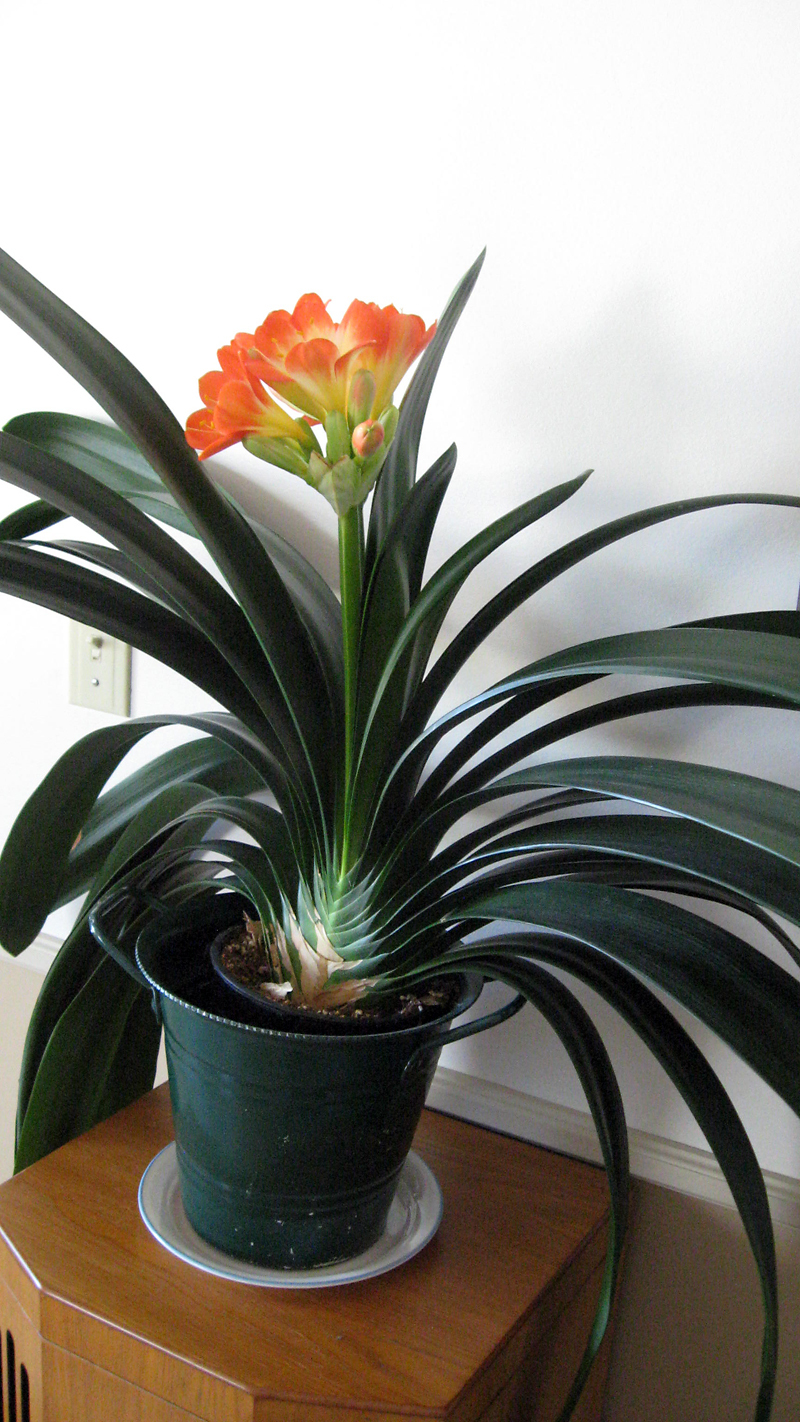
So it is with my clivia, given to me by a friend who was relocating. The plant, of course, reminds me of a friend but it also puts on such a gorgeous display of bloom in late spring or early summer that I cannot bear to part with it.
About two dozen individual, cup-shaped flowers — orange with yellow centres — form a round ball held above the foliage on a strong stem. When in bloom, the plant is absolutely breathtaking.
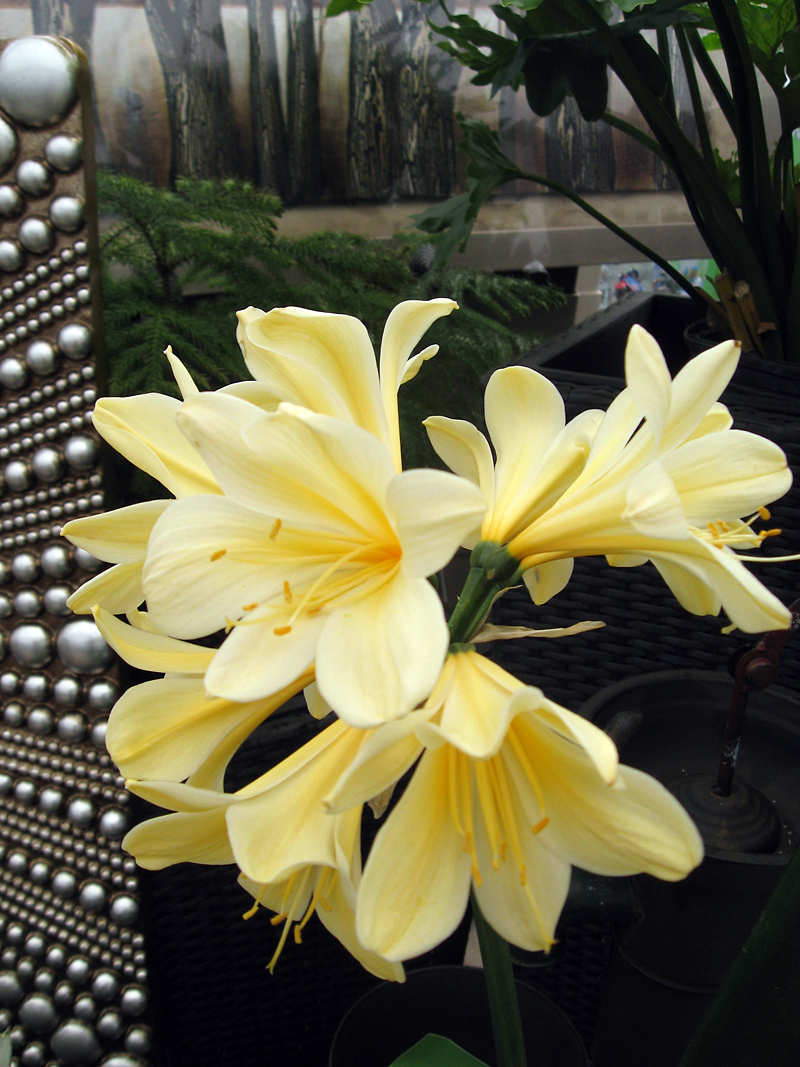
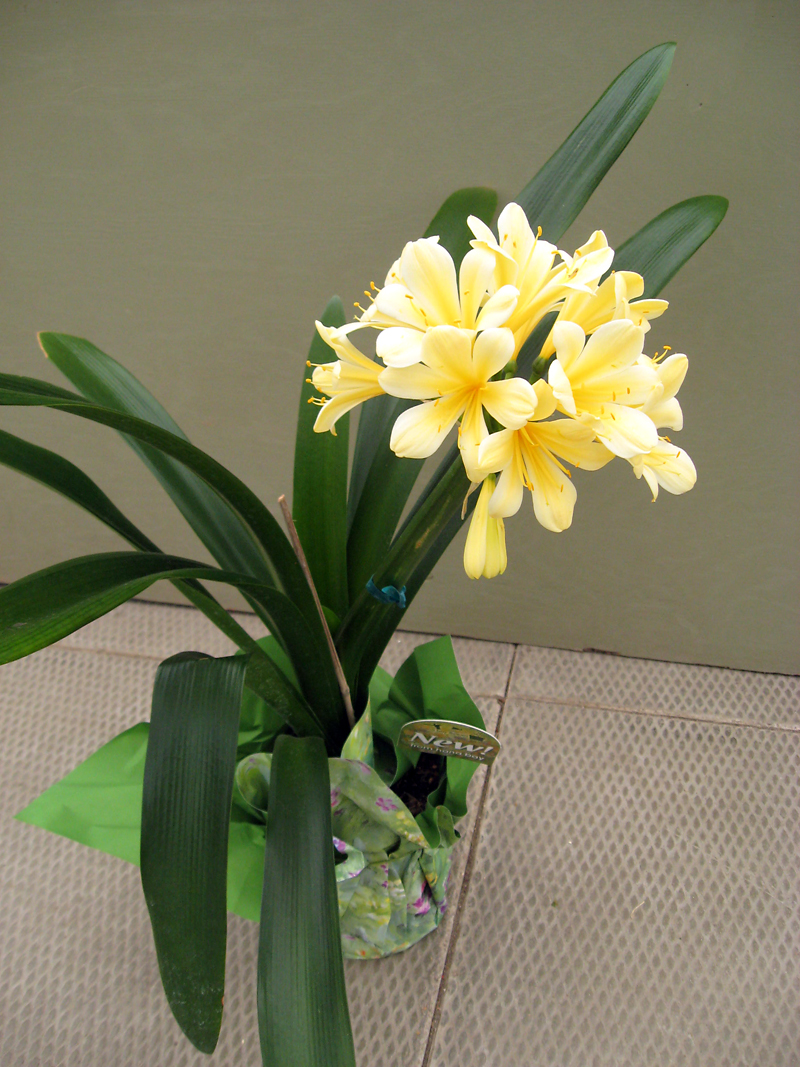
Last year I was excited to see a variety with yellow blooms offered for sale in several garden centres. Will I add yet another exotic clivia to my collection? Time will tell, but I would not be surprised!
The name of the plant makes it seem exotic — and its exquisite blooms certainly appear exotic, but there is nothing extraordinary about the care it requires. Clivia is a very easy-to-care-for plant.
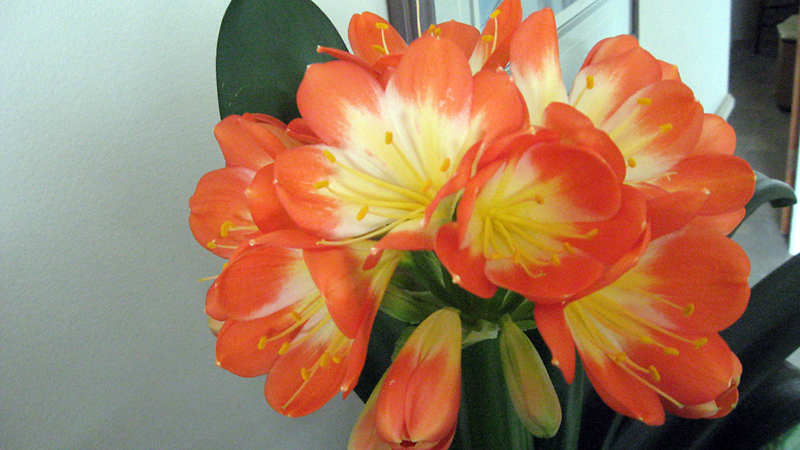
The clivia is related to the amaryllis family so it is no surprise that its dark green strap-like leaves do resemble those of the amaryllis. Clivia leaves, however, are much more leathery and are evergreen. The clivia does not have a dormant period like the amaryllis — it remains green year around.
The leaves emerge from the centre of the plant and are tightly spaced, one atop the other, giving the plant a fan-shaped appearance. The flower bud must force its way up between two tightly packed leaves to finally emerge above the foliage.
The leaves remain dark green and attractive year around, although from time to time, a bottom leaf will yellow. This is a natural process and there are always new leaves emerging from the centre of the plant so the dead leaf is not missed.
This plant likes to be pot bound so it only needs to be repotted infrequently, which further reduces the care it takes. It is happy growing in any ordinary potting soil.
The clivia is very drought tolerant; I allow the soil to dry out considerably before watering. During the winter, I barely water the plant at all, yet the dark green leaves remain healthy.
A clivia will bloom in late spring or early summer. One year, mine bloomed just in time to be exhibited at our local fair held in early July, while another year it bloomed in late April while the sunroom was still overflowing with plants destined for the outdoor garden.
I have never had insects or disease on my clivia — perhaps insects don’t find the rather hard, leathery leaves all that appetizing. I try to locate the plant where it will get some direct sun but it seems to thrive no matter the exposure.
As spring approaches, I begin to fertilize and water it regularly. The long leaves get dusty so I wipe them with a damp cloth periodically to make them more attractive.
Some gardeners put their clivias outdoors during the growing season. Placing them in a covered porch or veranda would reduce the chance that weather might damage or mark the beautiful evergreen foliage.
The long, strap-like leaves are pendulous and reach below the bottom of the pot so a clivia is best displayed on a pedestal or plant stand that allows the leaves to cascade freely..
A mature clivia produces offsets that can be separated from the parent plant to produce new plants; I usually do this in the summer after the plant has bloomed. The new plants soon find homes.
Who wouldn’t want such an easy-care and yet beautiful plant?
Albert Parsons is a consultant for garden design and landscaping who lives in Minnedosa.
» communitynews@brandonsun.com