
Gone Gardenin’ – Smitten with the fruit from my Cupid cherry tree
Advertisement
Read this article for free:
or
Already have an account? Log in here »
We need your support!
Local journalism needs your support!
As we navigate through unprecedented times, our journalists are working harder than ever to bring you the latest local updates to keep you safe and informed.
Now, more than ever, we need your support.
Starting at $15.99 plus taxes every four weeks you can access your Brandon Sun online and full access to all content as it appears on our website.
Subscribe Nowor call circulation directly at (204) 727-0527.
Your pledge helps to ensure we provide the news that matters most to your community!
To continue reading, please subscribe:
Add Brandon Sun access to your Free Press subscription for only an additional
$1 for the first 4 weeks*
- Enjoy unlimited reading on brandonsun.com
- Read the Brandon Sun E-Edition, our digital replica newspaper
*Your next Free Press subscription payment will increase by $1.00 and you will be charged $20.95 plus GST for four weeks. After four weeks, your payment will increase to $24.95 plus GST every four weeks.
Read unlimited articles for free today:
or
Already have an account? Log in here »
Hey there, time traveller!
This article was published 19/06/2014 (4346 days ago), so information in it may no longer be current.
In years past, prairie gardeners never even considered growing tender fruits.
As a child, I can remember the great excitement when the fruit from B.C. and Ontario would arrive in the store — succulent plums and cherries, juicy peaches and tantalizing apricots.
Some of the fruits were eaten raw but most were destined for the canner as my mother processed the fruit for winter use. Nowadays, we are able to enjoy fresh fruits of all kinds at most times of the year, a far cry from days gone by.
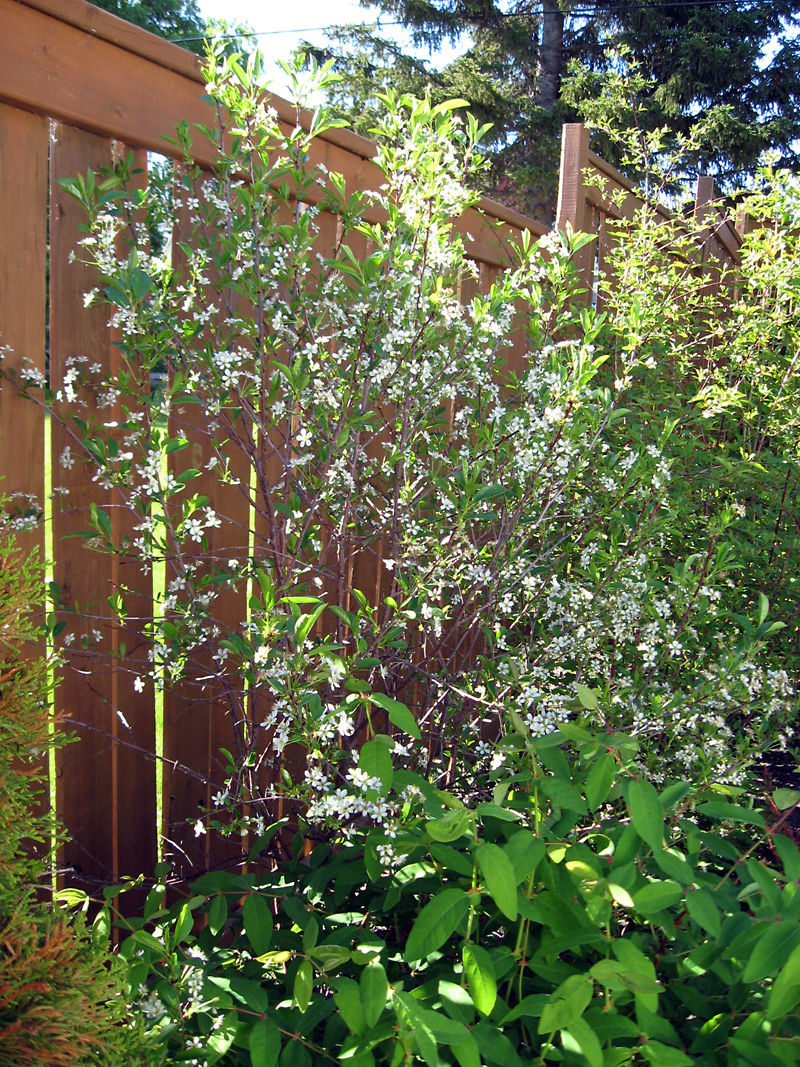
Even though we can buy whatever fruit we want, we gardeners like to grow our own when we can and the proliferation of hardy varieties of many fruits has put this goal within reach of even zone 2 gardeners like me.
Two years ago I took the leap and bought a hardy cherry tree from a local nursery.
Cherries are touted to have great health benefits. Their high vitamin content and anti-oxidant properties have encouraged their supporters to claim that cherries not only aid in fighting cancer and heart disease, but alleviate pain from ailments such as arthritis and gout.
Whether these health claims are true or not, homegrown cherries cannot be anything but good for you and they certainly taste good. We can grow them simply for the enjoyment we get from eating them.
Many of the hardy cherries have been developed at the University of Saskatchewan by crossing Mongolian cherries — which are very hardy — with sour cherries to give them the desired flavour. The trees are self-pollinating, so a gardener can include just one tree in the landscape and it will produce fruit.
There are several hardy cherry varieties, with the long-time standard being the Evans cherry, developed in Edmonton several decades ago and until recently it was the only reliably hardy cherry for the prairies. For the last decade or so the University of Saskatchewan has developed several hardy cherry varieties, including Carmine Jewel, Juliet, Romeo, Valentine, and Cupid.
Another big advantage that these newer varieties have over the Evans variety is that the trees are much smaller, suitable for today’s smaller landscapes. While an Evans cherry tree can get up to five metres tall and over three metres wide, these newer cherries reach heights of only two or three metres — the tag on my Cupid cherry states that it will grow from six to eight feet high.
Carmine Jewel is one of the earliest — and has the smallest fruit. It ripens in late July and is excellent for jams, pie fillings and preserves.
The fruit of Valentine is slightly larger and ripens in mid-August; it also produces fruit that is excellent for processing.
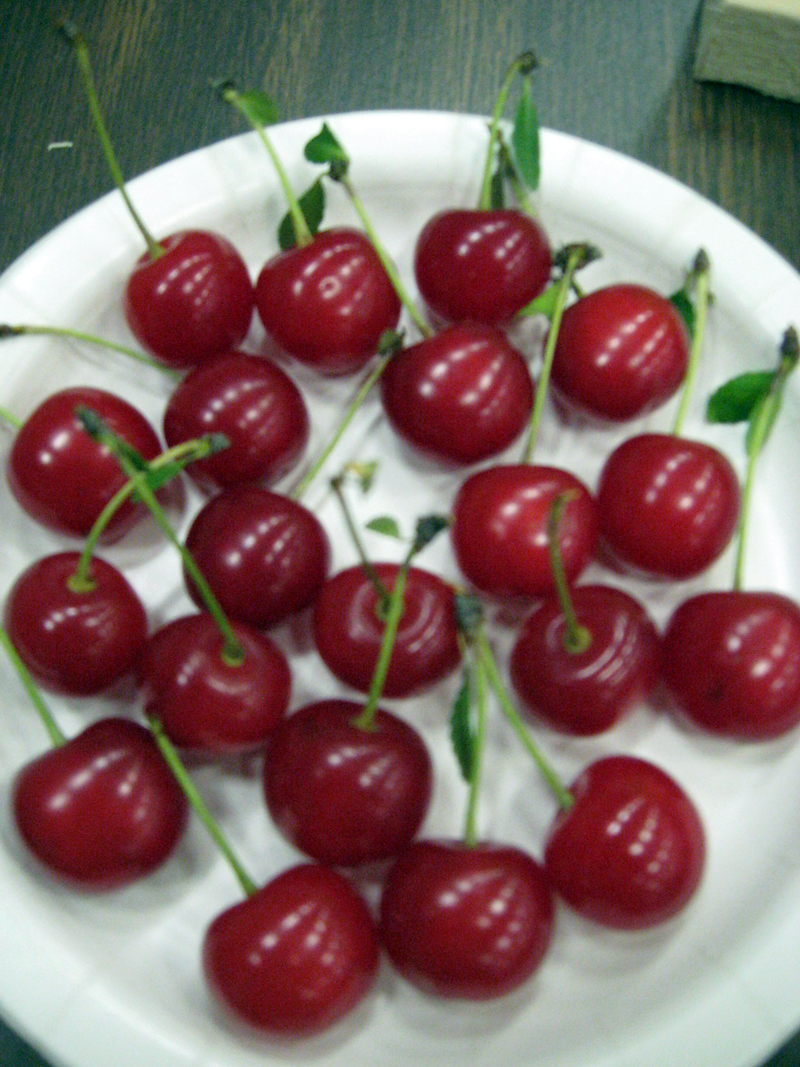
Most of the other varieties ripen in late August and have the largest fruit.
The tree I chose, Cupid, produces larger fruit (6.5 grams) and its dark red cherries have a high sugar content. Romeo and Juliet, two more excellent varieties, ripen about the same time, but have slightly smaller five-gram fruit.
My tree is going into its third year and last year I harvested a handful of fruit from some of the lower branches. This spring the tree was covered with bloom from top to bottom so I am hoping for a bumper crop.
Cherries are a very perishable fruit and can only be stored for a couple of days in the refrigerator. They are delicious eaten out of hand and they can be pitted and frozen for winter use — I can just taste a cherry pie in my future!
My Cupid seems to be a rather low maintenance tree. I was careful to give it lots of water the first year as I would with any newly planted tree, but now it just gets watered when the rest of the yard does — usually by rainfall.
It is planted in full sun in ordinary garden soil and seems to be performing fine. I have it in a shrub border along a fence, so I plan to remove some of the lower branches so that they do not smother the nearby shrubs, haskap and barberry, that are planted beneath them.
Other advantages of including fruit trees in the garden besides enjoyment of the fruit they provide is the beautiful bloom they provide in late May and early June. Mine has pretty white flowers that the bees simply adore.
Birds also find the fruit irresistible and cherry trees will attract birds to the garden when the fruit ripens. If you want to harvest all the fruit for your own use, you may have to net the tree to keep the birds from stealing the bounty.

I have long had a cherry in my landscape — a Nanking cherry shrub — and we still enjoy the wonderful display of pink blooms in the spring followed by the display of bright red fruit, which the birds eat with great relish. There are always a few jars of Nanking cherry jelly in our storage cupboard.
The Cupid cherry tree that I now have will hopefully take my cherry pickin’ to a whole new level — I actually have a cherry “tree”, and the nice-sized cherries that it produces. I look forward to being able to pick delectable fruits off my very own cherry tree come the end of August.
Mmmmm…mmmm…good!
Albert Parsons is a consultant for garden design and landscaping who lives in Minnedosa.
» communitynews@brandonsun.com