
Gone Gardenin’ – Corn plant? Dragon tree? Whichever name, it’s nifty
Advertisement
Read this article for free:
or
Already have an account? Log in here »
We need your support!
Local journalism needs your support!
As we navigate through unprecedented times, our journalists are working harder than ever to bring you the latest local updates to keep you safe and informed.
Now, more than ever, we need your support.
Starting at $15.99 plus taxes every four weeks you can access your Brandon Sun online and full access to all content as it appears on our website.
Subscribe Nowor call circulation directly at (204) 727-0527.
Your pledge helps to ensure we provide the news that matters most to your community!
To continue reading, please subscribe:
Add Brandon Sun access to your Free Press subscription for only an additional
$1 for the first 4 weeks*
*Your next subscription payment will increase by $1.00 and you will be charged $20.00 plus GST for four weeks. After four weeks, your payment will increase to $24.00 plus GST every four weeks.
Read unlimited articles for free today:
or
Already have an account? Log in here »
Hey there, time traveller!
This article was published 22/01/2015 (4116 days ago), so information in it may no longer be current.
It’s a little early in the year to be planting corn, but if you have a specimen of Dracaena fragrans “Massangeana” in your houseplant collection, you are already growing a corn plant, the common name of this attractive foliage plant.
You may also choose to call it by its other, more exotic, common name — dragon tree.
Perhaps it is the farmer in me, but I usually call it corn plant. But whichever name you use for this plant, you will appreciate the tropical touch it adds to your indoor landscape.
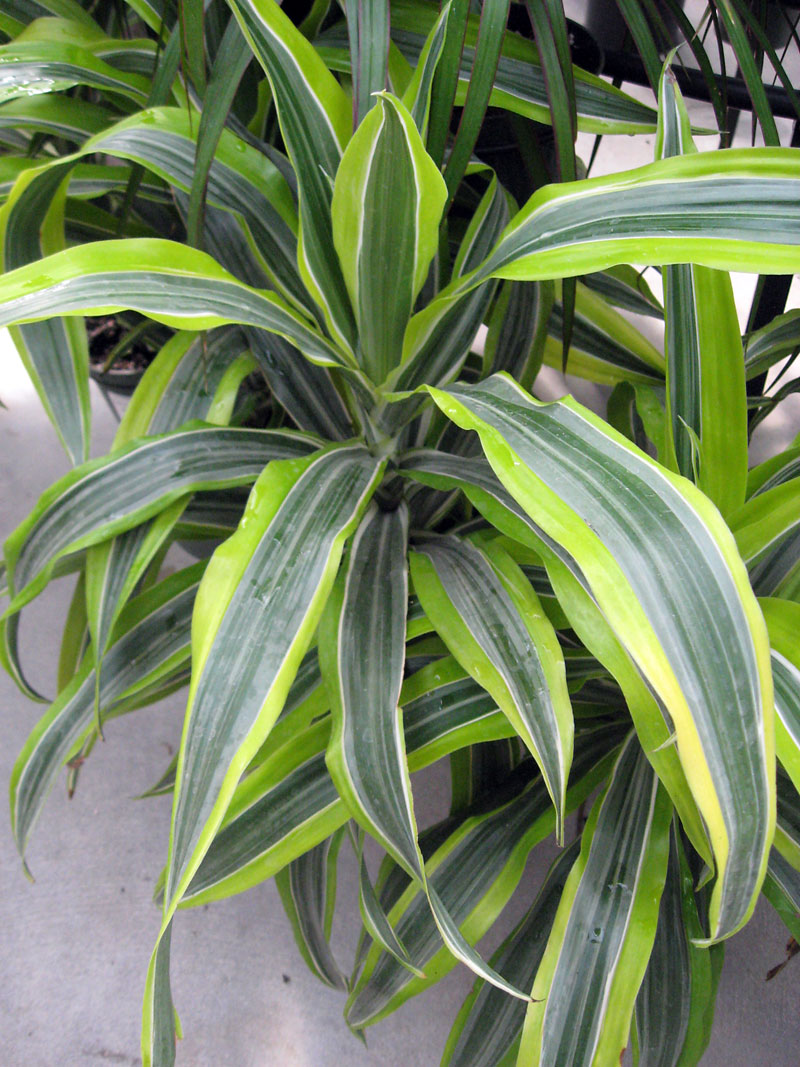
A tall, narrow plant, this member of the dracaena family does not take up much space in width; it can, however, reach a height of several metres.
This is a perfect plant for those homeowners whose houses have vaulted ceilings and who want tall plants that are in scale with their interior spaces. For the average home with the usual eight-foot ceilings, the plant can be kept to an appropriate size.
The corn plant’s long narrow leaves usually have interesting striping of various shades of green and yellow. The leaves are not erect; they tend to hang down from the stems, much like the leaves do on corn plants in our vegetable gardens — thus its common name.
Sometimes the leaves are slightly wavy or undulating, again similar to the way regular corn plant leaves often appear, which makes the foliage even more interesting.
A corn plant usually begins its existence as a 1-2-3 plant, which means that the potted plant you purchased probably would have started off as three stems planted into the pot. One stem would have been one foot tall (30 centimetres), the next two feet (60 cm) tall and the next three feet (100 cm) tall.
When these bare stems arrived as cuttings at the greenhouse where they are grown, the stems would have been planted into a pot, and in about a month, taps or heads would have emerged from near the tops of the woody stems. Two or three taps might have developed on each stem.
As these shoots grew, they turned upright and became the growing stems above the woody stem cuttings that were originally put into the pot. The bottoms of the stalks remain bare without foliage.
Since these are tropical plants, they like even moisture and high humidity. Lacking either, the leaf tips will turn brown and brown markings might even appear on the leaf surfaces themselves.
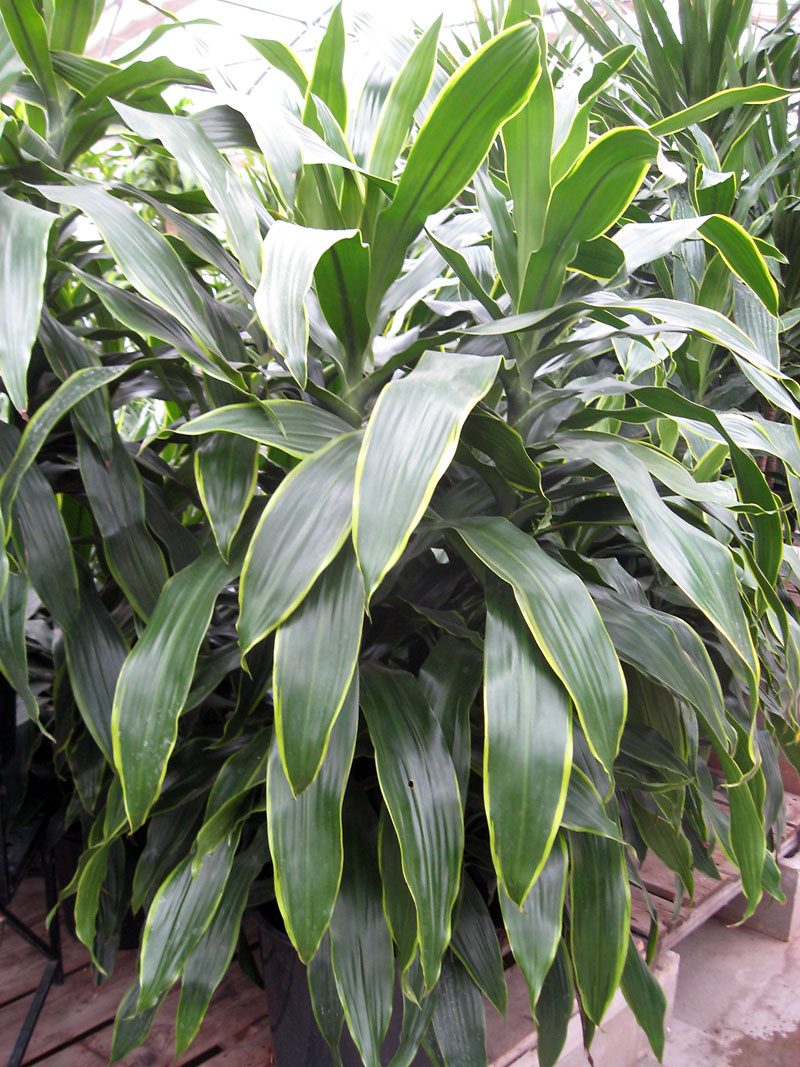
It is important to keep the planting medium evenly moist and not allow it to dry out. The plant will appreciate being misted, but at the very least, sit the pot on a large pebble tray and have other plants nearby to add moisture to the surrounding air.
As a corn plant ages, it will gradually accumulate more and more brown-tipped leaves. You can cut these brown tips off with sharp scissors, following the line of the leaf margin to make the cuts less noticeable.
In time, the plant may become so unattractive that you will want to cut it back. You can cut back any stalk to just above a leaf axil and you can cut the stalk back as far down as just above the first leaf axil above the original woody stem. Cut the plant back so that the stems are at different heights conforming to the 1-2-3 form.
New taps or heads will emerge from the leaf axils to form new stems. If you wish to start new plants and dispose of the old parent plants, take some cuttings — these will be terminal shoots at the tops of the stalks — and place them in dampened soilless mix.
The newly planted taps will root and form new plants. You may want to follow the 1-2-3 rule and plant three stems that are of differing heights to get a nice full pot.
Corn plants like heat — they are originally from tropical Africa — and they become almost dormant when subjected to temperatures much below 20 C. A corn plant should not be located near a cold window during the winter or near a doorway where it will have drafts of cold air waft past it.
Water a corn plant with pure water as corn plants are sensitive to fluoride and chlorine — you will have less tip browning if you use pure water. They also are sensitive to salt buildup in the soil, so flush the soil periodically and use fertilizer cautiously at low doses.
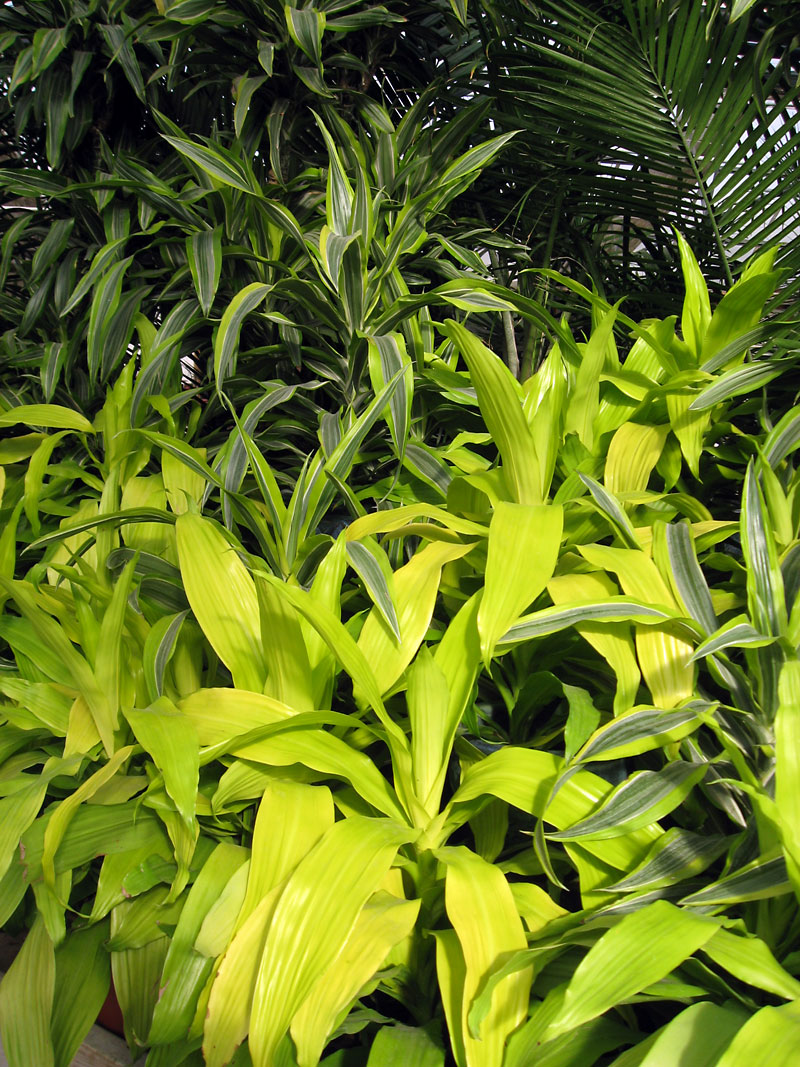
A corn plant — or dragon tree, if you prefer its more sophisticated name — is an interesting architectural plant to incorporate into an interior landscape.
Often seen in offices and other public spaces because of its tolerance for low light levels, this plant will add height and an exotic touch to your indoor landscape.
Albert Parsons is a consultant for garden design and landscaping who lives in Minnedosa.
» communitynews@brandonsun.com