
Gone Gardenin’: Seeing red with these beautiful maples
Advertisement
Read this article for free:
or
Already have an account? Log in here »
We need your support!
Local journalism needs your support!
As we navigate through unprecedented times, our journalists are working harder than ever to bring you the latest local updates to keep you safe and informed.
Now, more than ever, we need your support.
Starting at $15.99 plus taxes every four weeks you can access your Brandon Sun online and full access to all content as it appears on our website.
Subscribe Nowor call circulation directly at (204) 727-0527.
Your pledge helps to ensure we provide the news that matters most to your community!
To continue reading, please subscribe:
Add Brandon Sun access to your Free Press subscription for only an additional
$1 for the first 4 weeks*
- Enjoy unlimited reading on brandonsun.com
- Read the Brandon Sun E-Edition, our digital replica newspaper
*Your next Free Press subscription payment will increase by $1.00 and you will be charged $20.95 plus GST for four weeks. After four weeks, your payment will increase to $24.95 plus GST every four weeks.
Read unlimited articles for free today:
or
Already have an account? Log in here »
Hey there, time traveller!
This article was published 20/10/2016 (3514 days ago), so information in it may no longer be current.
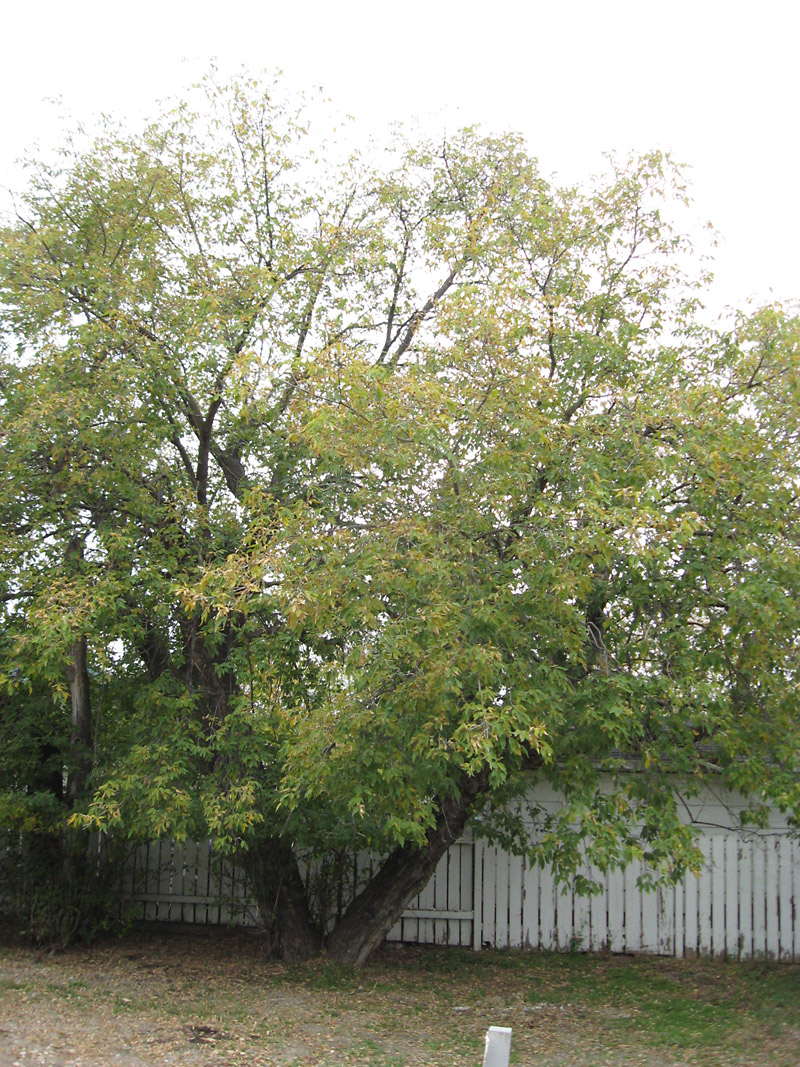
Many of us remember the giant boxelder trees that graced most farm yards and even many town properties in years past. Although this wonderful old native tree has fallen out of favour as a landscape tree, people still gaze in amazement at giant specimens when they come upon them in mature landscapes.
Those families still lucky enough to have such a tree in their landscape, and who have children or grandchildren no doubt have a swing attached to one of the tree’s massive branches. Perhaps a tree house even sits atop some of its lower branches.
Boxelders, more commonly known as Manitoba maples, are huge trees and are not conducive for use in most modern landscapes which are much too small to accommodate such giants. Over the years, other trees, smaller trees that have many of the qualities that people want in specimen trees, have been developed.
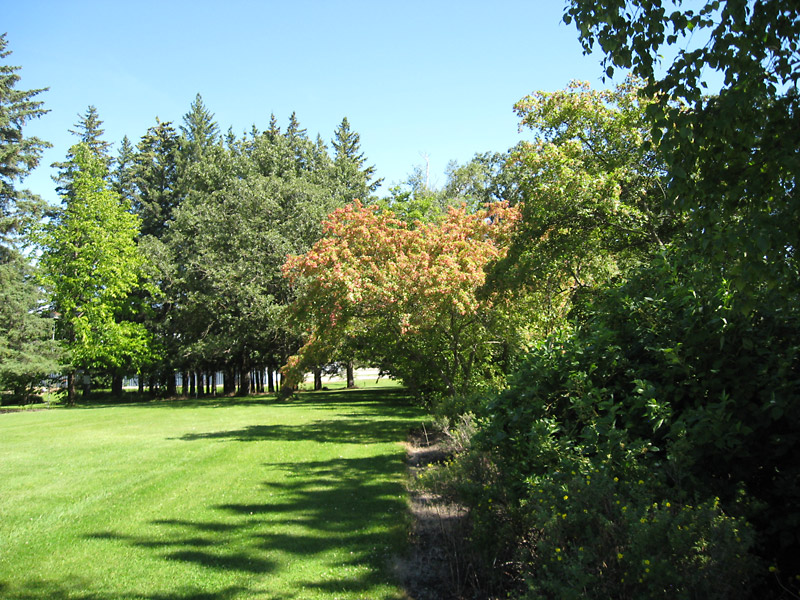
Late fall is a good time to plant a tree. Although freeze up might be only weeks away, the soil where tree roots abide will stay warm for quite some time, allowing newly planted trees to get well settled in before the soil around their root balls freezes.
There are a number of hardy maple trees that have been developed recently that make great landscape specimens. One of them is the Amur maple.
Amur maples were probably the first maple trees besides boxelders that Manitoba gardeners tried to grow. These trees are much smaller than Manitoba maples, reaching a mature height of only seven meters.
The attraction of Amur maples is their brilliant red fall foliage colour and their colourful bright red samaras — winged fruits that mature into seeds that when dry will fly away on the wind far from the parent tree — produced in the summer. The original Amur maple was Acer ginnala, which was a multi-stemmed clump forming tree.
Its main disadvantage was that it did not flourish in alkali soils and would often gradually deteriorate and not look healthy. It was classed as a zone two tree so lack of hardiness was not an issue; its intolerance for alkali soils was.
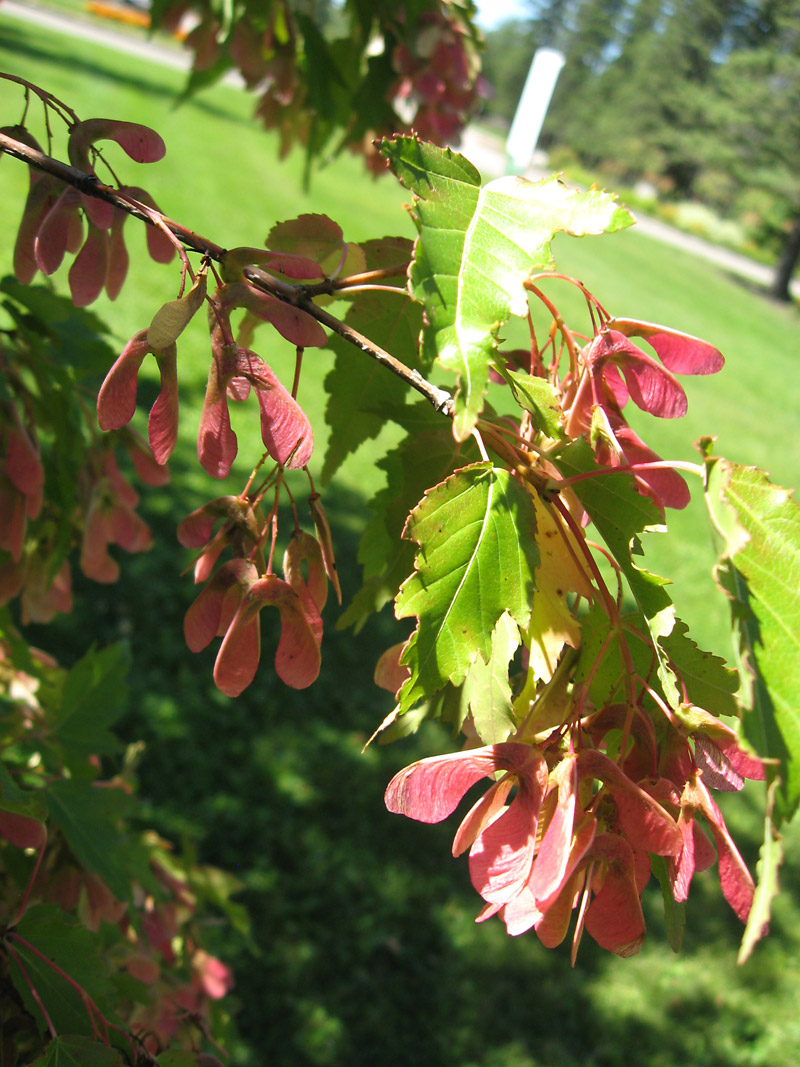
A newer development, A. Ginnala ‘Ruby Slippers’ produces red samaras in early summer, making it a spectacular landscape tree during the growing season. It also has a bright red fall colour, but it also is not very tolerant of alkali soils. It is a zone three tree.
Another newer hybrid, A. Ginnala ‘JefUM’ is a zone two tree and tolerates alkali soils but its fall foliage is a more subdued burgundy-red and its samaras are not as colourful.
Red maples are sometimes grown in our area — they are classed as zone three. With names like ‘Red Blaze’ and ‘Red Spire,’ they obviously have bright red fall foliage. They demand acidic soils, which makes them unsuitable for most of the high alkali-soil regions of Westman.
Norway maples, A. Platanoides, are even less hardy, sometimes rated zone three and sometimes zone four; they are noted for their large, “maple-leaf-shaped” leaves and their burgundy fall foliage colour. Both Norway and red maples reach mature heights of 14 meters.
The silver maple, a zone three tree, is an even larger tree, growing to 20 meters. Its fall colour is yellow. Silver maples are fast growing trees but not particularly long lived.
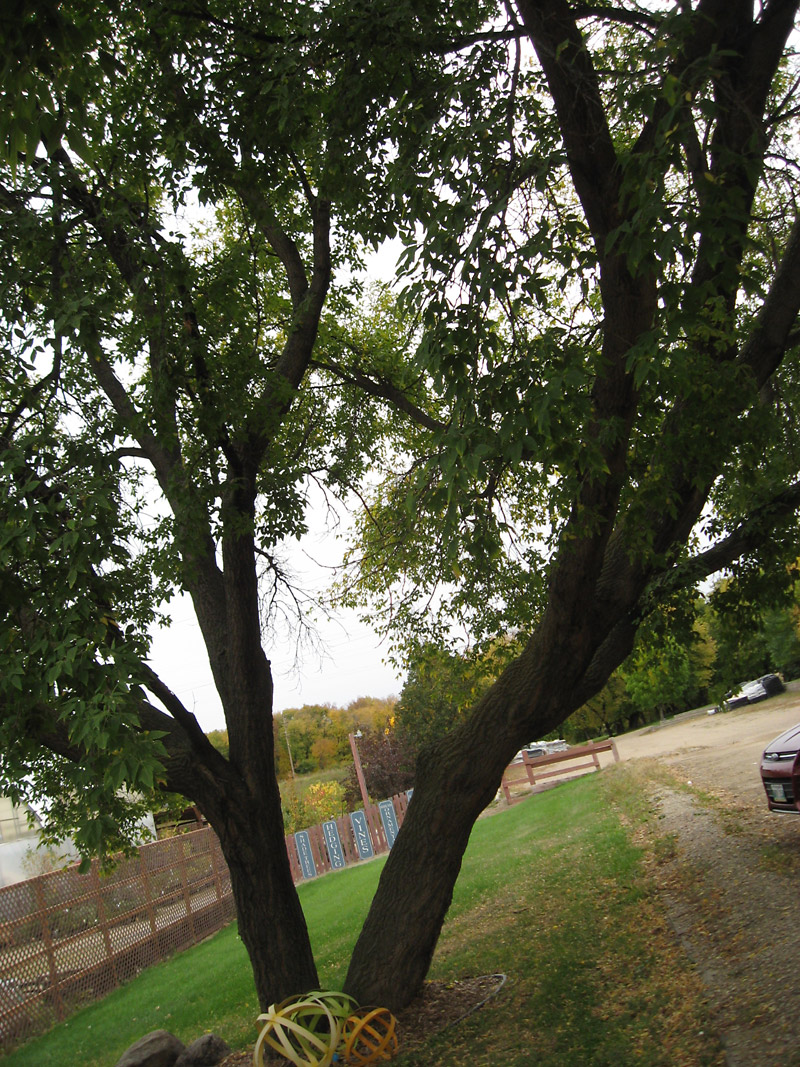
Of course everyone has heard of the sugar maples in the eastern part of the country and many people still trek to our eastern provinces to “view the colours” in the autumn. Until recently, sugar maples were not hardy on the prairies but new introductions by Jeffries Nursery near Portage la Prairie have changed that.
Classed as zone three, these hardy sugar maples, including A. Saccharum ‘Jeferno’, A. Saccharum “Jefselk” and A. Saccharum “Jefcon” have become popular trees because of their relatively small size — they grow to about 14 meters — and because of their brilliant yellow-orange fall foliage.
Probably the most reliable maple tree to give good colour in the landscape is the Tatarian maple tree. A recent introduction, Acer tataricum ‘GarAnn’ is a seven meter tall tree that produces bright red samaras in early summer and has magnificent orange-red fall foliage. It is also drought tolerant, will perform well in alkali soils, and is classed as zone two.
So now you have the lowdown on maple trees that can be used in your landscapes. Choose carefully, making sure you get the maple tree that suits your specific situation and the growing conditions that you can provide.
Albert Parsons lives, writes, and gardens in Minnedosa.
» communitynews@brandonsun.com