
Gone Gardenin’: Kalanchoes offer long-lasting bloom
Advertisement
Read this article for free:
or
Already have an account? Log in here »
We need your support!
Local journalism needs your support!
As we navigate through unprecedented times, our journalists are working harder than ever to bring you the latest local updates to keep you safe and informed.
Now, more than ever, we need your support.
Starting at $15.99 plus taxes every four weeks you can access your Brandon Sun online and full access to all content as it appears on our website.
Subscribe Nowor call circulation directly at (204) 727-0527.
Your pledge helps to ensure we provide the news that matters most to your community!
To continue reading, please subscribe:
Add Brandon Sun access to your Free Press subscription for only an additional
$1 for the first 4 weeks*
*Your next subscription payment will increase by $1.00 and you will be charged $20.00 plus GST for four weeks. After four weeks, your payment will increase to $24.00 plus GST every four weeks.
Read unlimited articles for free today:
or
Already have an account? Log in here »
Hey there, time traveller!
This article was published 02/03/2017 (3347 days ago), so information in it may no longer be current.
At this time of year, when winter seems reluctant to let go of its grip on our gardens and we are yearning for some “flower power” to get us through the last dreary part of the season, finding a new or unusual flowering plant in the garden center is very welcome. This might happen to any gardener as most of us make regular visits to our local garden center just to surround ourselves with growing plants
There are usually some specimens of kalanchoe in most garden centers as they are very versatile and lovely flowering plants. We are used to seeing them and almost take them for granted.
Individual plants are usually bought as gift plants and grown indoors, where they bloom for a long period of time; kalanchoes have one of the longest blooms periods of all the potted gift plants.
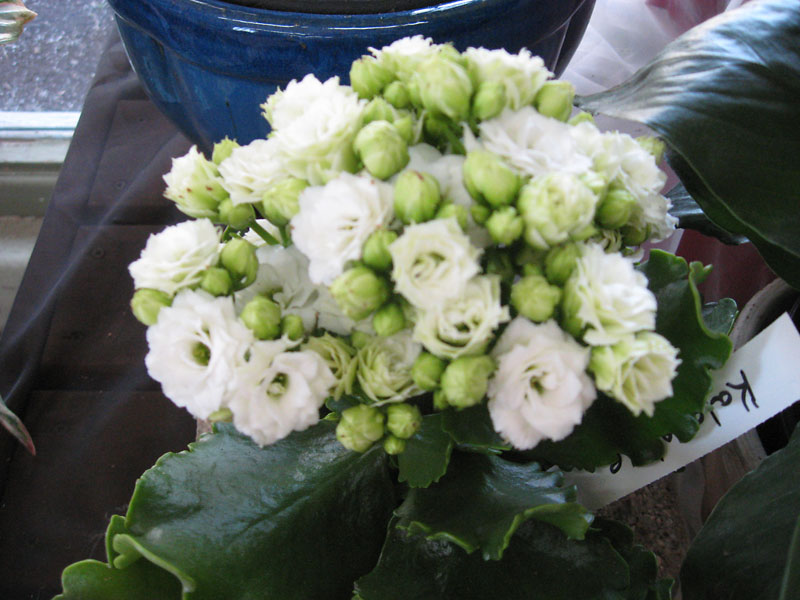
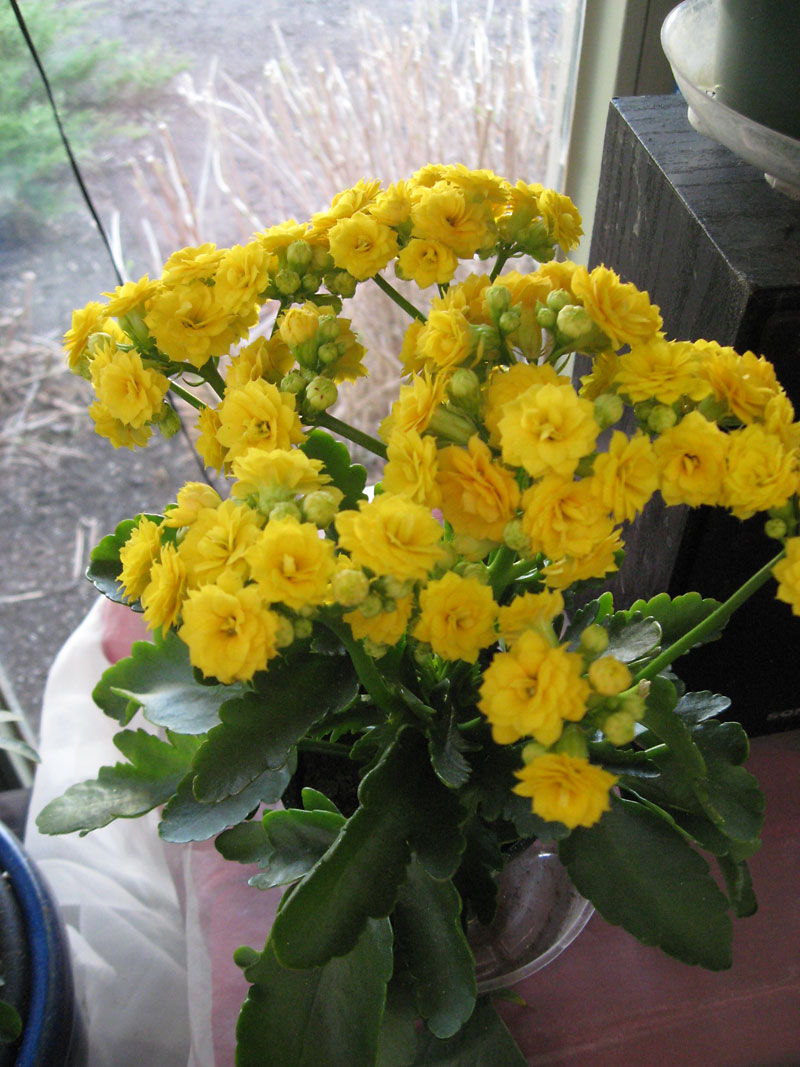
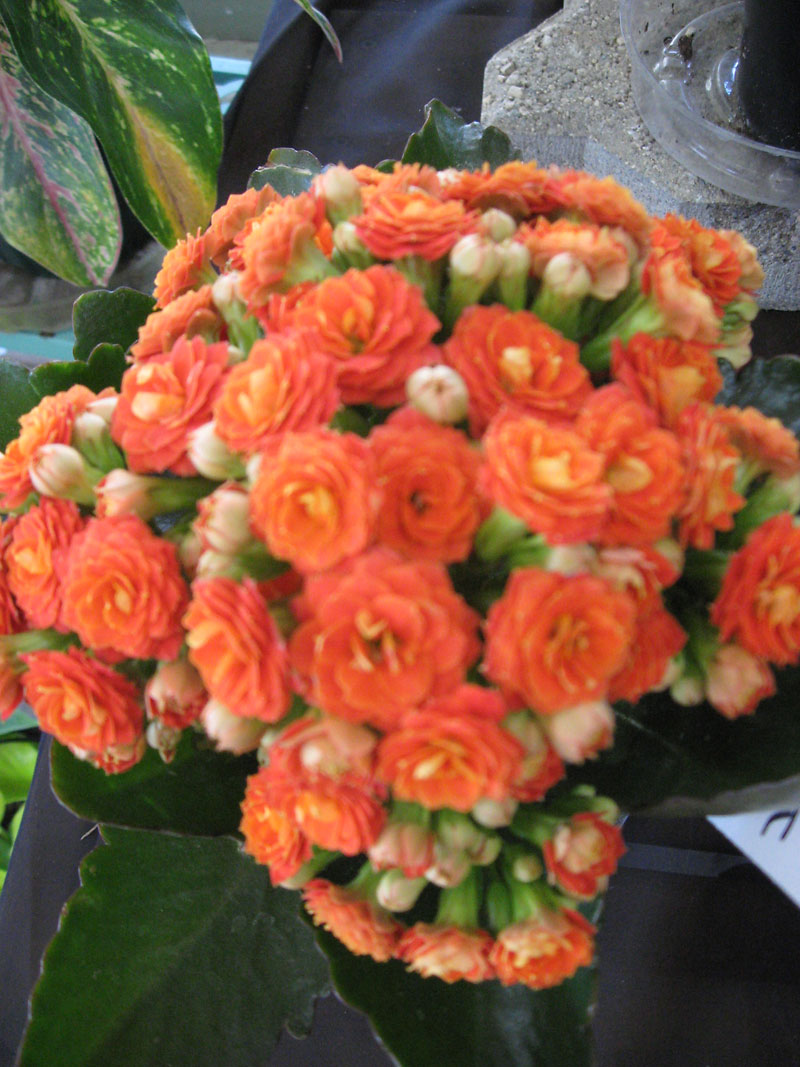
The kalanchoe is a flowering succulent, and in the past has had small tubular flowers in clusters of up to fifty flowers in each flower head. Red, yellow, pink, lilac, orange and white are just some of the bloom colours you will find in a kalanchoe display.
What got my attention recently was a different kind of kalanchoe flower a double bloom. Although plant breeders have been at work producing kalanchoes with larger and larger blooms, it appears they have now come up with kalanchoes with lovely double flowers.
From a distance I mistook them for miniature roses and not until I came closer to the display did I realize that the lovely rose-like, double flowers were actually growing on kalanchoe plants.
Other than the flower form, the plants were the same as the kalanchoes I had seen many times before. This unusual flower form is a standout and will be very popular I am sure. Besides getting one to enjoy in the house during this bleak period of the year, I am thinking that like other kalanchoes, the plants can be used in the outdoor garden come spring.
Indoors a kalanchoe can be placed in front of a sunny window but in the outdoor garden it will need protection for strong mid-day sun. When exposed to strong outdoor light — even strong indirect light — its fleshy succulent leaves will take on a burgundy hue, but indoors the leaves will be shiny dark green.
The plant will continue to bloom indoors if you keep it deadheaded and come spring you might move it outside. At some point during the summer flowering might cease and at that time take the plant indoors. Remove all the dead blooms and clip the plant back a bit to create a pleasing shape.
Then you might want to encourage the plant to bloom again. The easiest way to accomplish this is to allow the plant to have bright light for 10 hours a day and then place the plant in a dark place for the remaining 14 hours.
A six week resting period where the light is manipulated is necessary if the plant is to re-bloom. Like other photosensitive plants, such as poinsettias and Christmas cacti, kalanchoes need this extended dark period each day to set flower buds.
In about six weeks buds should begin to form and the manipulation of light can stop. Kalanchoes are easy-care plants. Let the planting medium dry out slightly between waterings. Add soluble 20-20-20 to the water every two weeks when the plants are actively growing.
Propagate kalanchoes using vegetative cuttings. Ten centimeter long stems with no flowers or buds can be cut off the parent plant. Let the cuttings callous over by exposing them to air for a few hours and then plant them in a light, well drained soil containing a mix of peat moss, perlite and sand.
Place the container of cuttings in a warm environment to encourage rooting — several cuttings in one pot will produce a nice full pot. After the cuttings have rooted, grow the plants until they reach a good size. To have the new plant set buds, employ the same light restricting regimen described earlier.
The kalanchoe is a versatile plant used both outdoors and as a house plant. A kalanchoe will surely brighten up your surroundings until winter finally takes a hike!
Albert Parsons lives, writes, and gardens in Minnedosa.
» wtw@brandonsun.com