
Calving season in full swing
Advertisement
Read this article for free:
or
Already have an account? Log in here »
We need your support!
Local journalism needs your support!
As we navigate through unprecedented times, our journalists are working harder than ever to bring you the latest local updates to keep you safe and informed.
Now, more than ever, we need your support.
Starting at $15.99 plus taxes every four weeks you can access your Brandon Sun online and full access to all content as it appears on our website.
Subscribe Nowor call circulation directly at (204) 727-0527.
Your pledge helps to ensure we provide the news that matters most to your community!
To continue reading, please subscribe:
Add Brandon Sun access to your Free Press subscription for only an additional
$1 for the first 4 weeks*
- Enjoy unlimited reading on brandonsun.com
- Read the Brandon Sun E-Edition, our digital replica newspaper
*Your next Free Press subscription payment will increase by $1.00 and you will be charged $20.95 plus GST for four weeks. After four weeks, your payment will increase to $24.95 plus GST every four weeks.
Read unlimited articles for free today:
or
Already have an account? Log in here »
Hey there, time traveller!
This article was published 28/03/2019 (2612 days ago), so information in it may no longer be current.
RESTON — Spring has sprung in Westman, bringing with it one of the busiest times of the year for farmers — calving season.
Farmer Cam Greig is in the midst of calving season at Avondale Seed Farm Ltd.
Bulls were put out for breeding with the cows at the end of May 2018, and based on the cows’ gestation period of about nine months, the hope was to start calving around March 1.
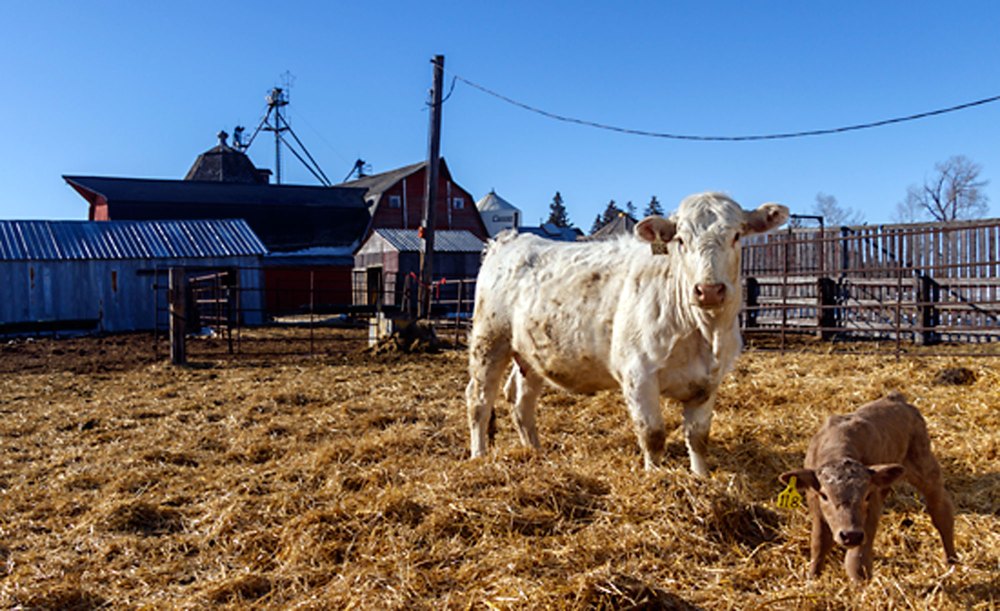
Coming in nearly on time, the calves began to arrive at the farm on Feb. 26.
Calving in early March is a “sweet spot” for Avondale Seed Farm because the farm’s main business is crop and seed production.
“We want to be done by the end of April, but if we go any earlier than March we tend to get into the colder weather,” Greig said. “Really, what we’re striving for is to keep our calving season as condensed as possible.”
The first week was a cold one for the farmers and their calves, with the temperature getting down to -40 C at night.
Luckily the weather began to turn by March 3 or 4, bringing in a warmer spring temperature for the calves.
“We’ve frozen some ear tips early on, but now we’ve been pretty good,” Greig said.
The farm uses a mix of breeds in the herd. This year they had a number of heifers bred to red Angus, a mix chosen because of the typically smaller birth weight for calves.
“It makes it easier during labour since it’s their first calf,” Greig said.
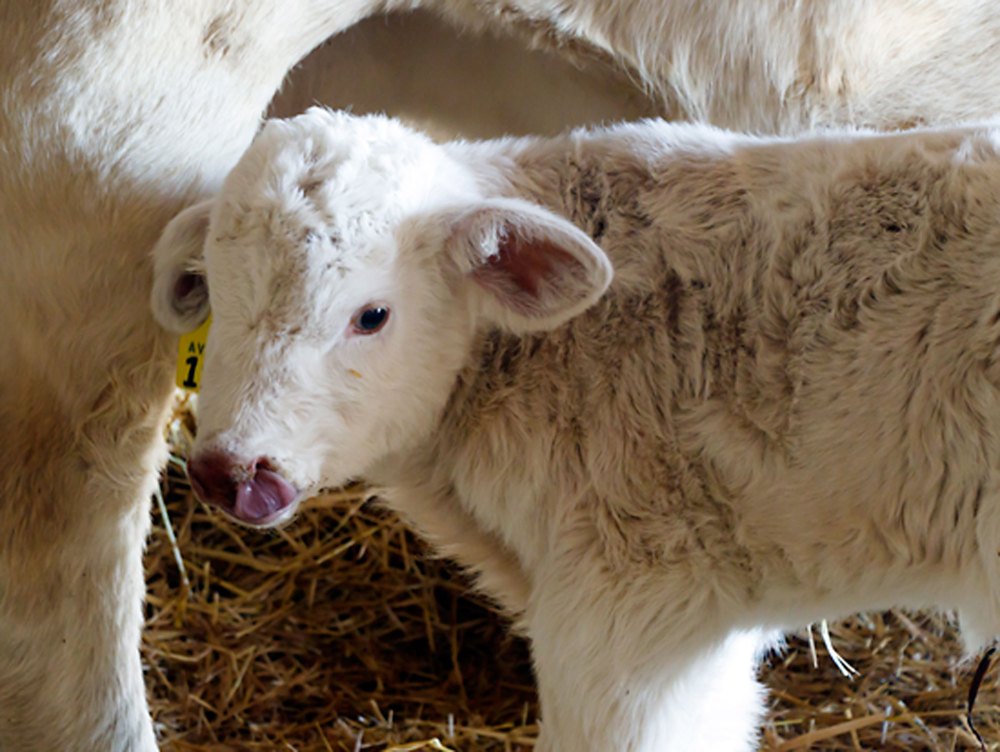
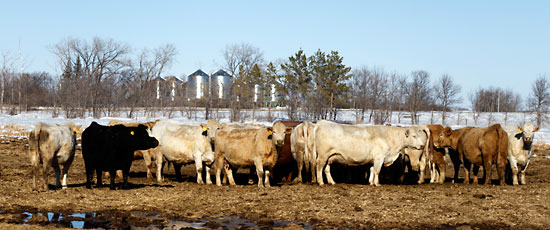
However, most of the herd on the farm are Charolais.
Expecting about 140 calves this year, midway through the month they are halfway through the season with about 70 calves welcomed into the world.
Usually, they set out to have about 120 in a year, but they found that the herd is aging a little bit, resulting in an issue with milk production. This led to the purchase of new Charolais heifers.
“The idea is to get a little bit of new blood in the herd,” Greig said.
The older cows typically calf last, as it can be difficult sometimes for them to conceive a calf as they can hold up the bull during the breeding process, delaying the conception of the calves.
Some years, Greig has seen calves born as late as May and even into June.
Every once in a while they encounter a calf that for any number of reasons has a difficult time nursing from its mom.
The reason is not always clear, and fortunately, situations like this are rare.
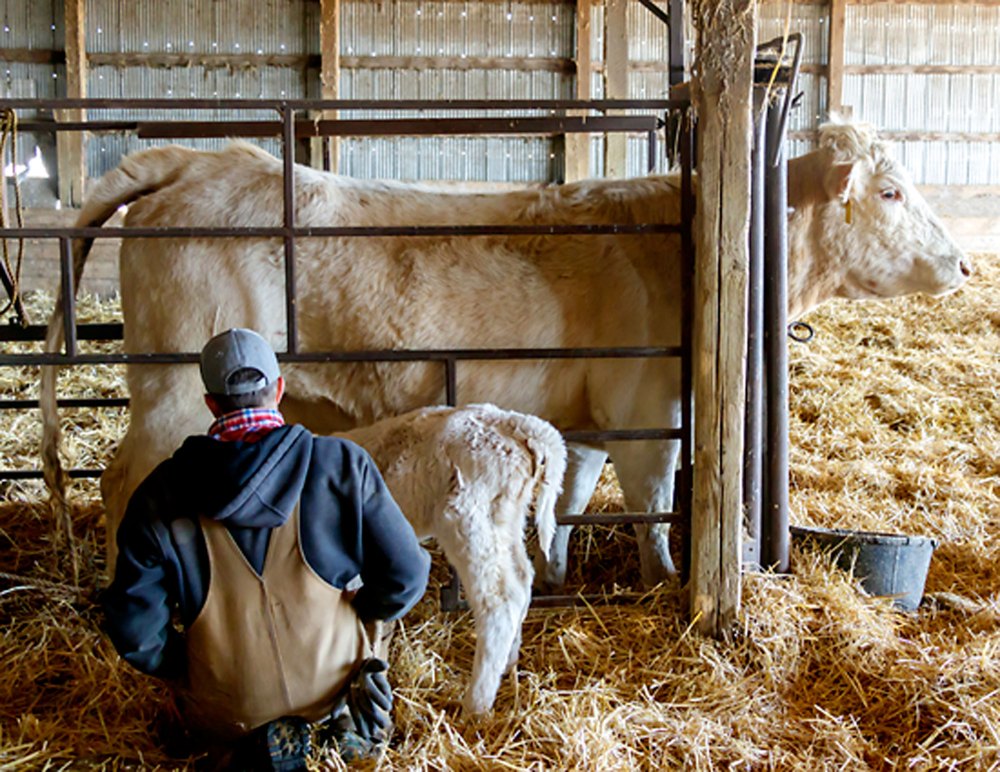
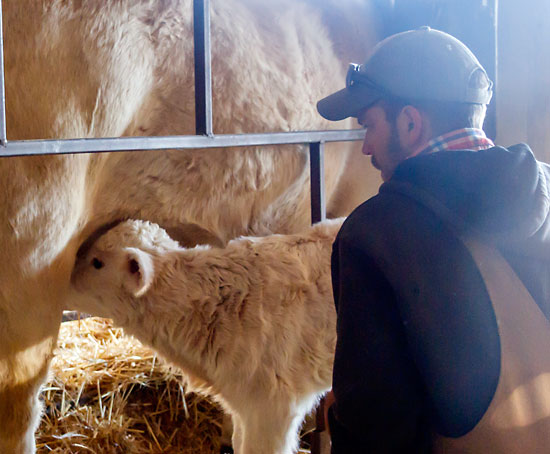
When a calf has trouble nursing from its mom, the cow is run down a chute and Greig or his father will help the little calf learn to nurse.
“Sometimes they (calves) get chasing the cow around and they get brushed off a few times and they get tired and so then they get discouraged and they don’t want to try and nurse again,” Greig said. “What we find is that if you can get them with a full belly and used to nursing, they’ll get more energy and go do it themselves.”
They currently have one calf they have helped nurse about five times that has learned to thrive on its own.
When a calf is unable to reach this pinnacle, Greig will bottle-feed newborns using cow’s milk or milk replacement powder, an action that can also help get their suckling instincts going.
During calving season, Greig, his father and his brother-in-law, along with one full-time and two seasonal employees, check on the cows every two or three hours to see if any calves are ready to pop out.
These constant checks keep them busy.
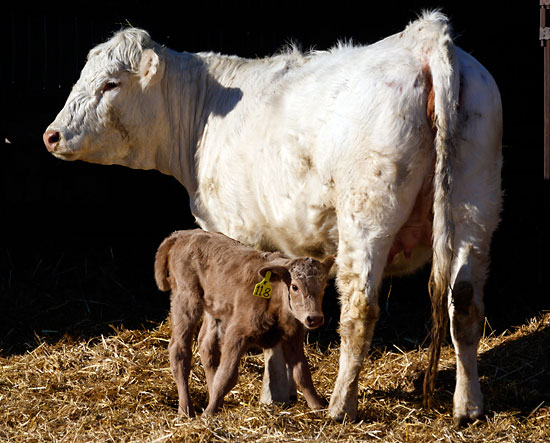
“If it’s a bad night, you might only get three or four hours of sleep,” Greig laughed.
Labours typically last around 45 minutes to an hour for a veteran cow mom, while heifers typically take a little bit longer because it is their first calf clocking in at around an hour and a half.
In an ideal situation, when a cow goes into labour Greig sees the two front hooves come out, followed by a tiny calf nose, marking an easy birth that requires little action from Greig.
“Once the head’s out and the front shoulders are through, it’s a pretty smooth process, especially if it’s a three- or four-year-old cow who’s been through it before,” Greig said.
Nine out of 10 times the labour happens that way. However, if the baby seems to be coming out in a different or unusual position, Greig or one of his counterparts steps in and helps.
“They’ve all got the instincts to do it themselves, and we try as much as we can to not intervene and let it all happen naturally,” Greig said. “For the most part, it does.”
» ckemp@brandonsun.com
» Twitter: @The_ChelseaKemp