
Fleet Finch almost ready to take flight
Advertisement
Read this article for free:
or
Already have an account? Log in here »
We need your support!
Local journalism needs your support!
As we navigate through unprecedented times, our journalists are working harder than ever to bring you the latest local updates to keep you safe and informed.
Now, more than ever, we need your support.
Starting at $15.99 plus taxes every four weeks you can access your Brandon Sun online and full access to all content as it appears on our website.
Subscribe Nowor call circulation directly at (204) 727-0527.
Your pledge helps to ensure we provide the news that matters most to your community!
To continue reading, please subscribe:
Add Brandon Sun access to your Free Press subscription for only an additional
$1 for the first 4 weeks*
- Enjoy unlimited reading on brandonsun.com
- Read the Brandon Sun E-Edition, our digital replica newspaper
*Your next Free Press subscription payment will increase by $1.00 and you will be charged $20.95 plus GST for four weeks. After four weeks, your payment will increase to $24.95 plus GST every four weeks.
Read unlimited articles for free today:
or
Already have an account? Log in here »
Hey there, time traveller!
This article was published 02/01/2020 (2345 days ago), so information in it may no longer be current.
One of the Commonwealth Air Training Plan Museum’s most exciting projects for upcoming year involves their 1938 Fleet Finch 16 R, a Second World War-era biplane that has been in the organization’s possession for approximately five years.
In late December, museum president John McNarry told the Sun he’s confident that his team will able to make the craft airworthy by May, having dedicated the last three years to rebuilding this plane from the ground up.
“It’s almost completely done. We need to get all the parts back in one spot again and assemble it,” he said, mentioning that the majority of the craft is currently being housed in Niverville to get some new fabric and a fresh paint job. “So I’m really excited about it.”
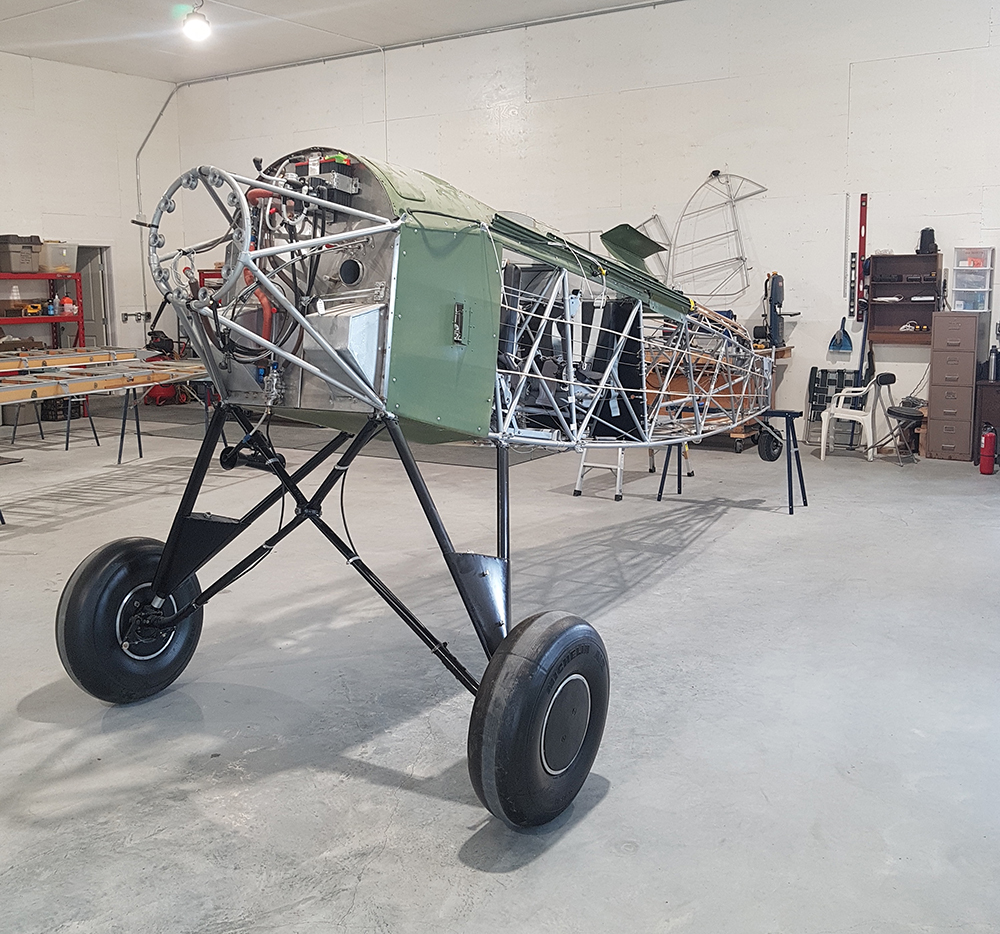
McNarry went on to say that this Fleet Finch is one of only 27 such models left in the world, and will truly be one of a kind once they put the finishing touches on it.
These planes were originally used by the Royal Canadian Air Force during the Second World War to help train prospective pilots.
After the war, McNarry said the Finches were phased out of service and a large remaining quantity were snatched up by the Mexican government.
In the intervening years, some models eventually made their way back to Canada, with an collector from Sidney, B.C. deciding to sell his Finch to the Brandon aviation museum.
“We purchased it on Vancouver Island and trucked it home and assembled it again and decided during the process that we didn’t want to fly it as is,” McNarry said. “So we took it down to its bare bones, right down to the bare fuselage, and rebuilt everything.”
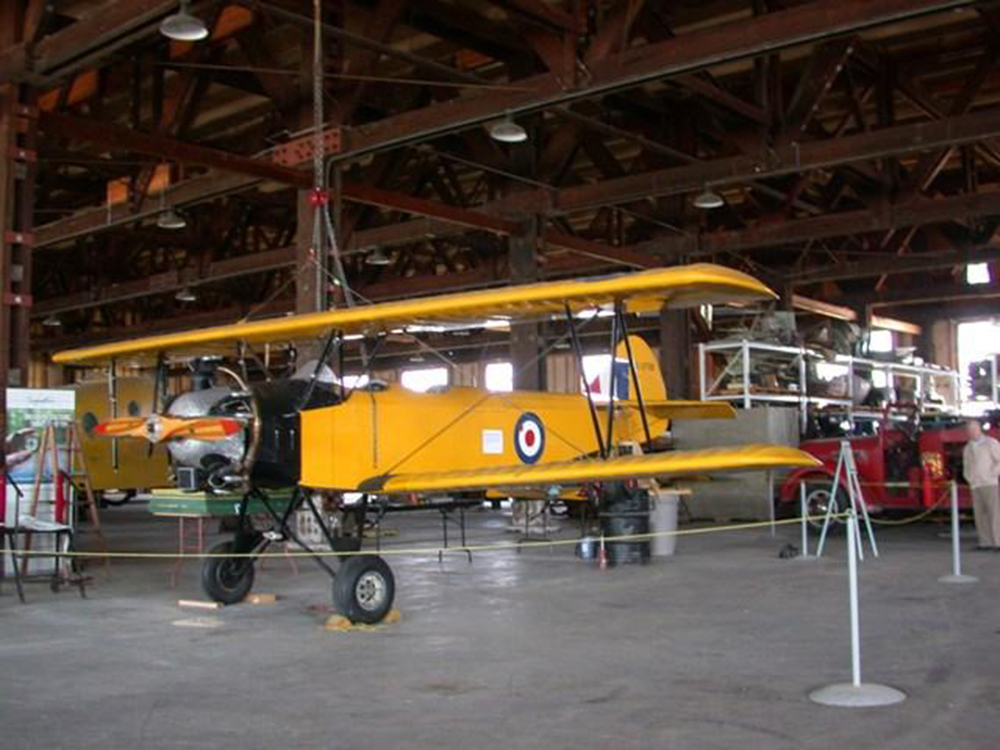
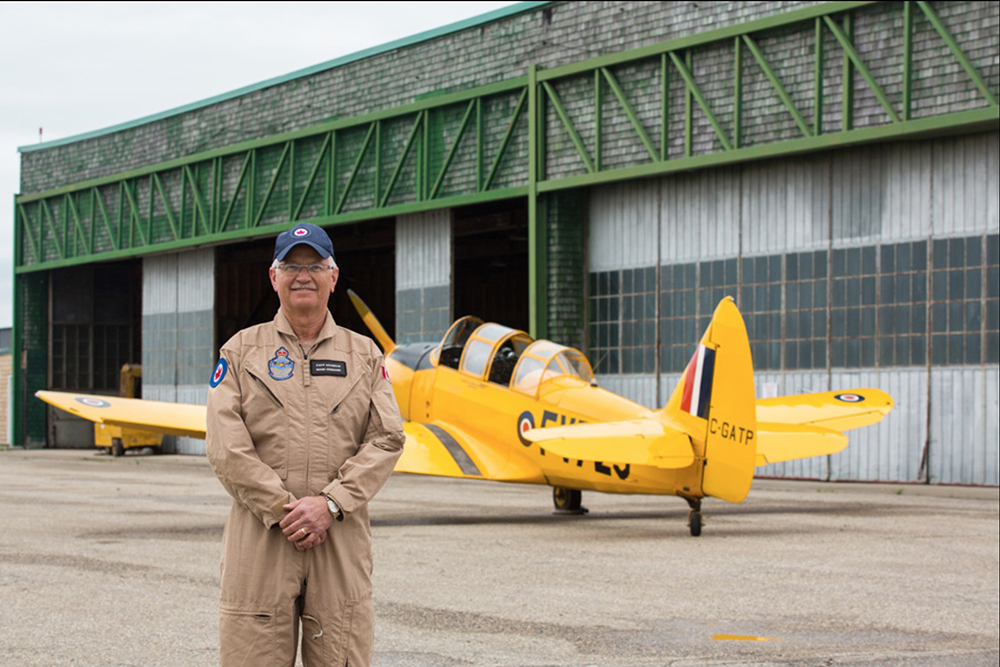
The museum’s chief pilot, Mark Odegard, was heavily involved in the rebuild, telling the Sun that he and restoration lead Jeff Bell were meticulous in finding the right parts to make it fly again.
“Because you’re examining everything,” he said. “You’re looking for any defects, you’re replacing or repairing parts to make sure they’re, as we like to say, as good or better than new.”
While this process has been a “labour of love,” Odegard said restoring these older models is very time-intensive and can devolve into a scavenger hunt at times.
“If the parts need replacing, you have to source parts from, in some cases, right across North America,” he said. “Jeff and I made a trip down to Arkansas two years ago to pick up some components that needed to be replaced because they’re very rare.”
However, Odegard said all this effort been worth it, especially now that they are mere months away from bringing this craft back to the skies.

From now until May, Odegard said he, Bell and some other licensed mechanics will be going over the plane with a fine-tooth comb to ensure that it meets or exceeds Transport Canada regulations.
Once they get the green light, the museum members will be able to gives rides to the public and provide them with a closer, hands-on look at an important piece of Canadian aviation history.
“We love what we do,” Odegard said. “We love the history of the museum. We love the history of the World War Two training aircrafts and it’s a privilege and a passion for all the pilots that are involved. No question about that.”
The Commonwealth Air Training Plan Museum was established in Brandon back in 1981 and currently has 15 antique planes on display in its hangar. Once the Fleet Finch 16 R is fully restored, six of these crafts will be airworthy.
» kdarbyson@brandonsun.com
» Twitter: @KyleDarbyson