
SCO takes harm reduction approach to addictions
Advertisement
Read this article for free:
or
Already have an account? Log in here »
We need your support!
Local journalism needs your support!
As we navigate through unprecedented times, our journalists are working harder than ever to bring you the latest local updates to keep you safe and informed.
Now, more than ever, we need your support.
Starting at $15.99 plus taxes every four weeks you can access your Brandon Sun online and full access to all content as it appears on our website.
Subscribe Nowor call circulation directly at (204) 727-0527.
Your pledge helps to ensure we provide the news that matters most to your community!
To continue reading, please subscribe:
Add Brandon Sun access to your Free Press subscription for only an additional
$1 for the first 4 weeks*
- Enjoy unlimited reading on brandonsun.com
- Read the Brandon Sun E-Edition, our digital replica newspaper
*Your next Free Press subscription payment will increase by $1.00 and you will be charged $20.95 plus GST for four weeks. After four weeks, your payment will increase to $24.95 plus GST every four weeks.
Read unlimited articles for free today:
or
Already have an account? Log in here »
Hey there, time traveller!
This article was published 13/07/2023 (1139 days ago), so information in it may no longer be current.
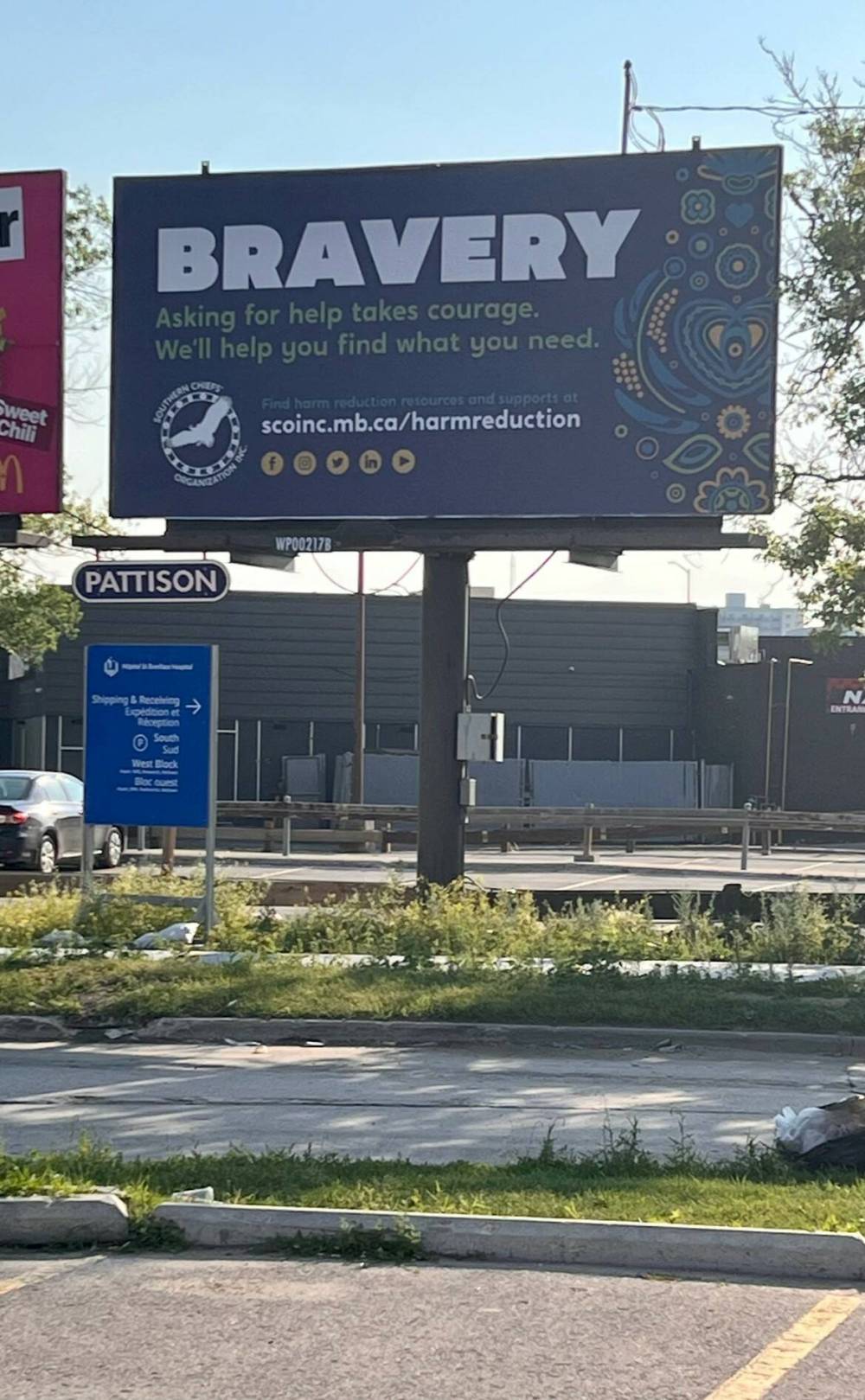
Coming soon to billboards and buses in the Wheat City — ads warning of the risk of sexually transmitted and blood-borne illnesses as the rate of HIV infection in Manitoba is high, especially among Indigenous people.
The advertising campaign is part of a larger “harm reduction” drug-use strategy on the part of the Southern Chiefs’ Organization. Harm reduction is an umbrella term for an approach that aims to reduce the harms of drug use — such as the spread of infections and overdoses — without the user necessarily having to stop using. It also allows the user to access supports they need in a non-judgemental way.
Harm reduction has been a major focus of the Southern Chiefs’ Organization (SCO), which represents 34 Anishinaabe and Dakota First Nations in southern Manitoba, SCO Grand Chief Jerry Daniels said.
“I am pleased to see us couple that mandate with the resources and expertise to develop and implement a comprehensive, culturally relevant, and engaging communications campaign to help save lives,” Daniels said of the ad campaign.
Human immunodeficiency virus (HIV) spreads through bodily fluids, except for saliva, and attacks the immune system. If left untreated, it can lead to acquired immunodeficiency syndrome (AIDS).
Manitoba’s rate of new cases of human immunodeficiency virus (HIV) is three times higher than the national average, according to the Manitoba HIV Program Report. The number of people living with HIV in Manitoba grew from 111 to 169, or 52 per cent, between 2018 and 2021, the report shows. People in the report who self-identified as Indigenous increased from 51.4 per cent to 73.4 per cent of all those referred to the Manitoba HIV Program, which provides and oversees care for people living with HIV.
As the Sun previously reported, the SCO launched a harm reduction and land-based healing program in January. A land-based approach to healing incorporates Indigenous culture, including the importance of connecting with traditional territories.
Now, the organization says there is an urgent need to supply responsive services and increased awareness of harm reduction to address substance use for southern First Nations.
The program will supply presentations on reducing harm to First Nations in community and urban areas and distribute a range of free harm reduction supplies to those who request them, including nasal Narcan and fentanyl test strips. Southern First Nations interested in supplying land-based healing activities to their members can receive up to $25,000 in funding from SCO for these initiatives.
Naloxone, sold under the brand name Narcan among others, is a medication used to reverse or reduce the effects of opioids. It is used to counter decreased breathing in opioid overdose. Fentanyl is a potent synthetic opioid drug that is used for pain relief and as an anesthetic. It is approximately 100 times more potent than morphine and 50 times more potent than heroin as a pain reliever.
Data from Manitoba’s Office of the Chief Medical Examiner in April 2021 showed there was an 87 per cent increase in overdose-related deaths in 2020 in comparison to 2019, and that 68 per cent of those deaths were related to opioids. According to the Office of the Chief Medical Examiner, 418 people died of a suspected drug-related death in 2022.
Recent data also shows disproportionate outcomes of drug poisonings, overdose, concurrent infections, and complications associated with problematic substance use for First Nations people, linked to the ongoing impact of trauma, Daniels said.
A Statistics Canada analysis of hospital discharge data from 2011 to 2016, linked to data from the 2011 National Household Survey, revealed elevated rates of opioid-related hospitalizations among people who identified as Indigenous. The rate of opioid-poisoning hospitalizations among First Nations individuals living on reserve was 5.6 times higher than the rate among the non-Indigenous population at large. The rates among Métis and Inuit were each 3.2 times higher than the rate among the non-Indigenous population.
“We also have learned from the Manitoba HIV Program [that] there are alarming trends in HIV diagnoses and sexually transmitted and blood-borne infections (STBBI) for First Nations citizens in Manitoba,” Daniels said.
In 2021, 407 people died across Manitoba due to drug poisoning and toxic supply, an increase from 372 in 2020, the SCO reported.
The data points to the need for education and a way to tackle alarming trends from a First Nation perspective, Chief E. J. Fontaine of the Sagkeeng Anicinabe First Nation, located 344 kilometres northeast of Brandon, said.
“Members of my community have experienced losses that might have been prevented by reducing stigma and with increasing awareness and access to services.”
The SCO’s harm reduction public education campaign, launched on July 7 and running until the end of August, will prioritize southern First Nation citizens in community and urban centres, and was developed with input from the Manitoba Association for Community Health, Nine Circles, Substance Consulting, and the Aboriginal Health and Wellness Centre.
Summertime, when people are naturally out and about more often, is the perfect time to raise these critical issues, the SCO’s senior policy analyst Jennifer Wood told the Sun.
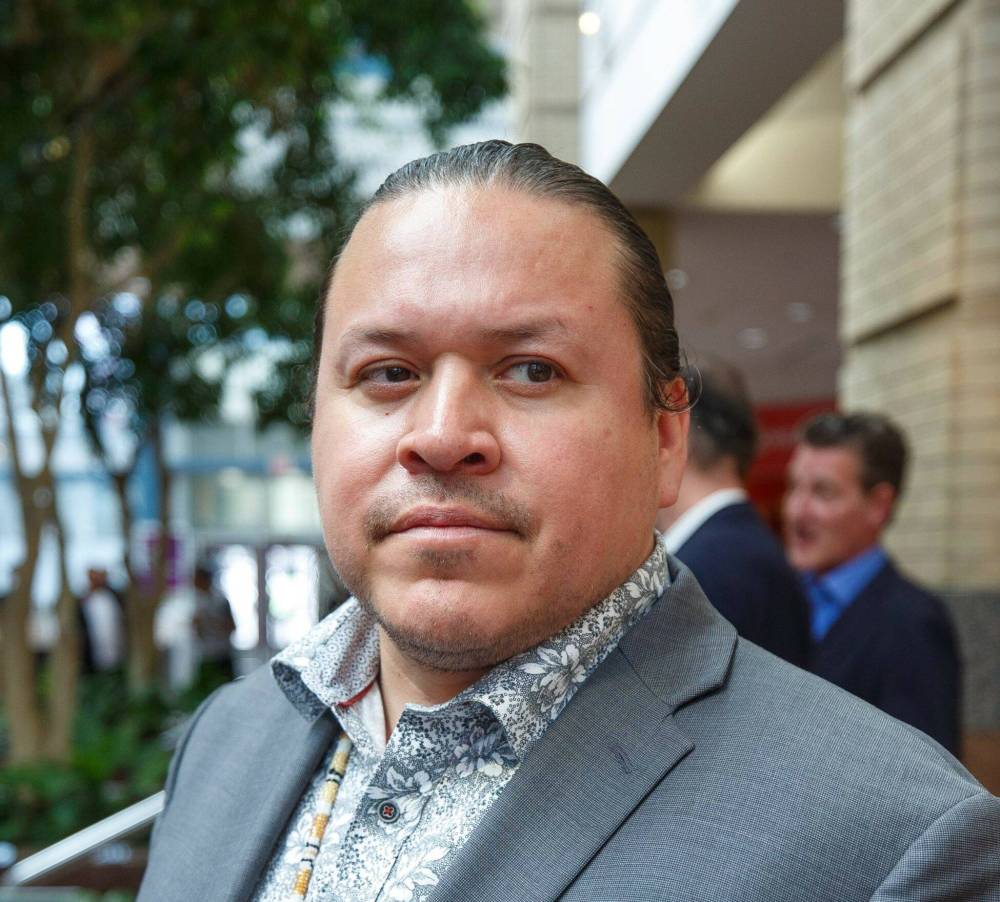
“It’s a good opportunity for our messaging to be very visible,” Wood said. “We want to get the word out for our citizens in the south that there are options … we want to make sure that folks are getting what they need, and that they know we love them. That really is the foundation of this — to let people who may be using substances … to know that we love them, and we’re here to give them support.”
Billboards will also appear in Dauphin, Portage la Prairie and Selkirk, and ads will appear on Winnipeg public transit buses. Ads will also appear in Dauphin, Portage la Prairie, Selkirk and Winnipeg. The campaign will also include printed materials.
People who take part in the program will also be helped by receiving clean supplies and learning how to use substances safely, which will keep people safe, Wood says.
Health Canada reports that services such as the ones Wood described prevent accidental overdoses and reduce the srpead of infectious diseases such as HIV.
A helpful spinoff to the program will be, Wood hopes, a reduction in the stigma associated with people who use substances, which can be devastating and keep them from seeking help.
“We really want to be able to have that conversation about reducing stigma and about accepting people for who they are and where they’re at in their journey,” she said.
It’s also essential that First Nations people seeking help or treatment can do so in a culturally safe context.
“Every First Nations person in this province has a right to culturally safe care from the health system,” Wood said.
The campaign goes hand in hand with the SCO’s overall mandate to address the social determinants of health of First Nations people, including poverty, homelessness, systemic discrimination, the ongoing effects of colonization, intergenerational trauma, food insecurity and economic disparity, Daniels said.
“Along with our land-based healing program, I am confident that this awareness initiative will be an important tool in our fight to end the stigma, provide good information, and promote healing and harm reduction that will begin to close the disparities in health outcomes for First Nations citizens in this country we all now share.”
» mleybourne@brandonsun.com
» Twitter: @miraleybourne