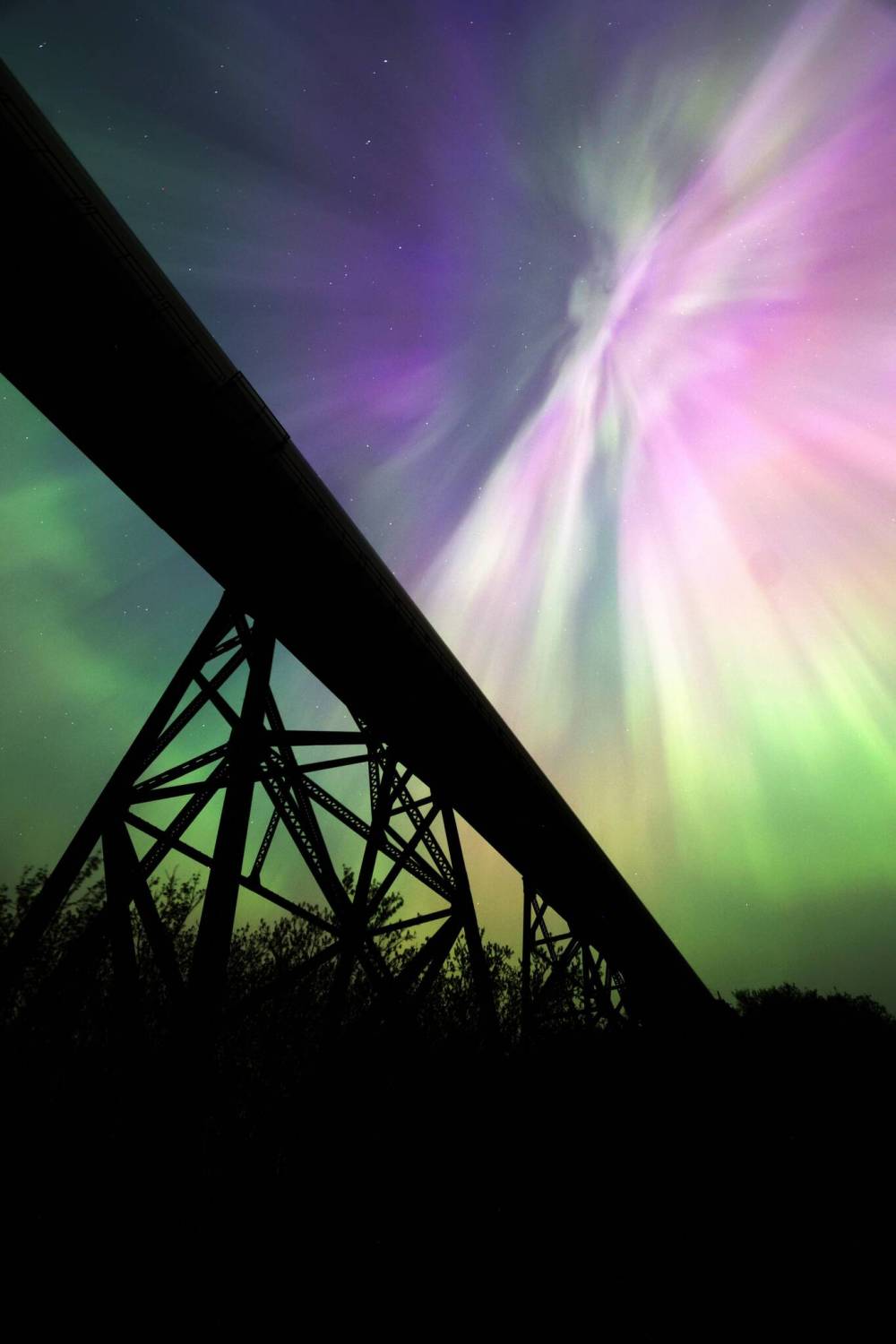
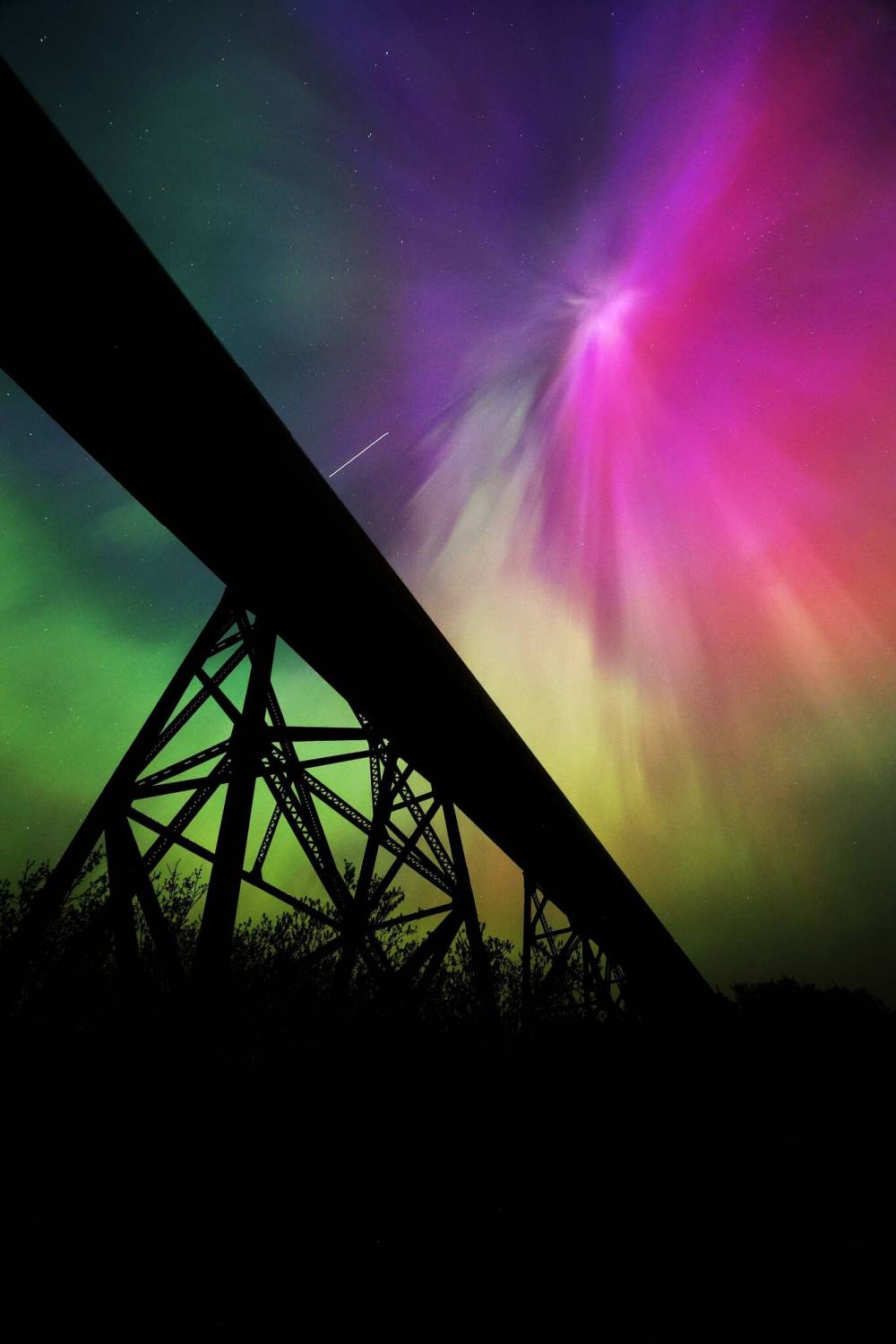
Radiant display delights local sky watchers
Advertisement
Read this article for free:
or
Already have an account? Log in here »
We need your support!
Local journalism needs your support!
As we navigate through unprecedented times, our journalists are working harder than ever to bring you the latest local updates to keep you safe and informed.
Now, more than ever, we need your support.
Starting at $15.99 plus taxes every four weeks you can access your Brandon Sun online and full access to all content as it appears on our website.
Subscribe Nowor call circulation directly at (204) 727-0527.
Your pledge helps to ensure we provide the news that matters most to your community!
To continue reading, please subscribe:
Add Brandon Sun access to your Free Press subscription for only an additional
$1 for the first 4 weeks*
- Enjoy unlimited reading on brandonsun.com
- Read the Brandon Sun E-Edition, our digital replica newspaper
*Your next Free Press subscription payment will increase by $1.00 and you will be charged $20.95 plus GST for four weeks. After four weeks, your payment will increase to $24.95 plus GST every four weeks.
Read unlimited articles for free today:
or
Already have an account? Log in here »
Hey there, time traveller!
This article was published 23/05/2024 (863 days ago), so information in it may no longer be current.
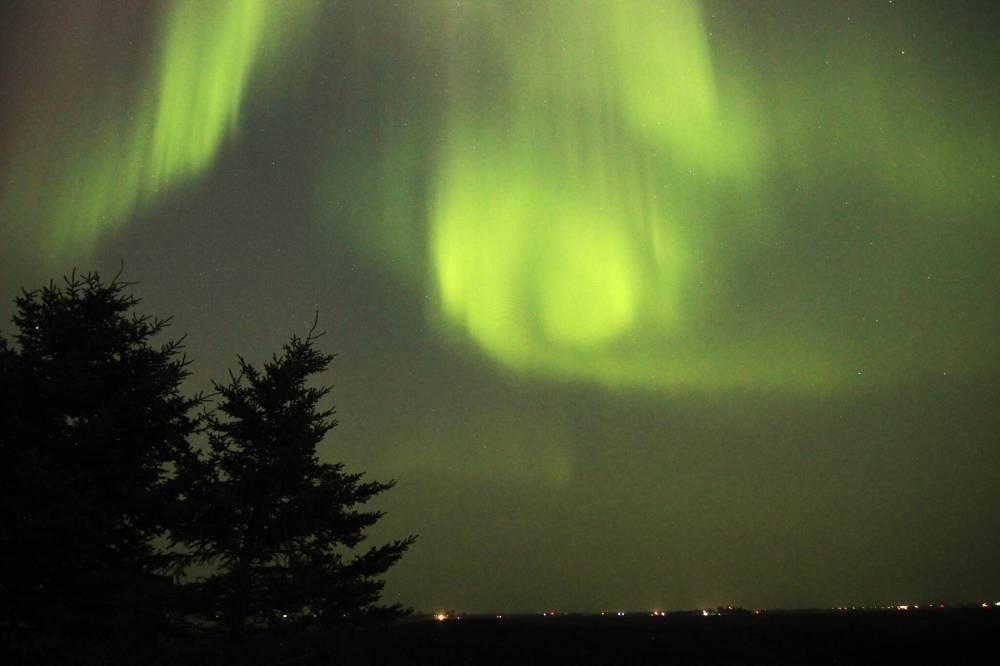
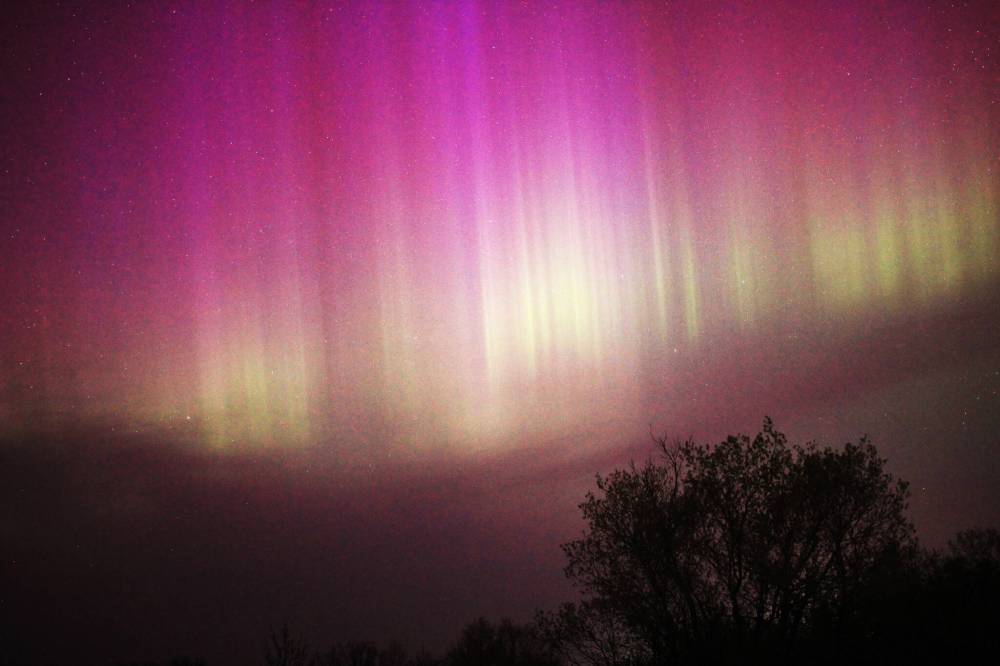
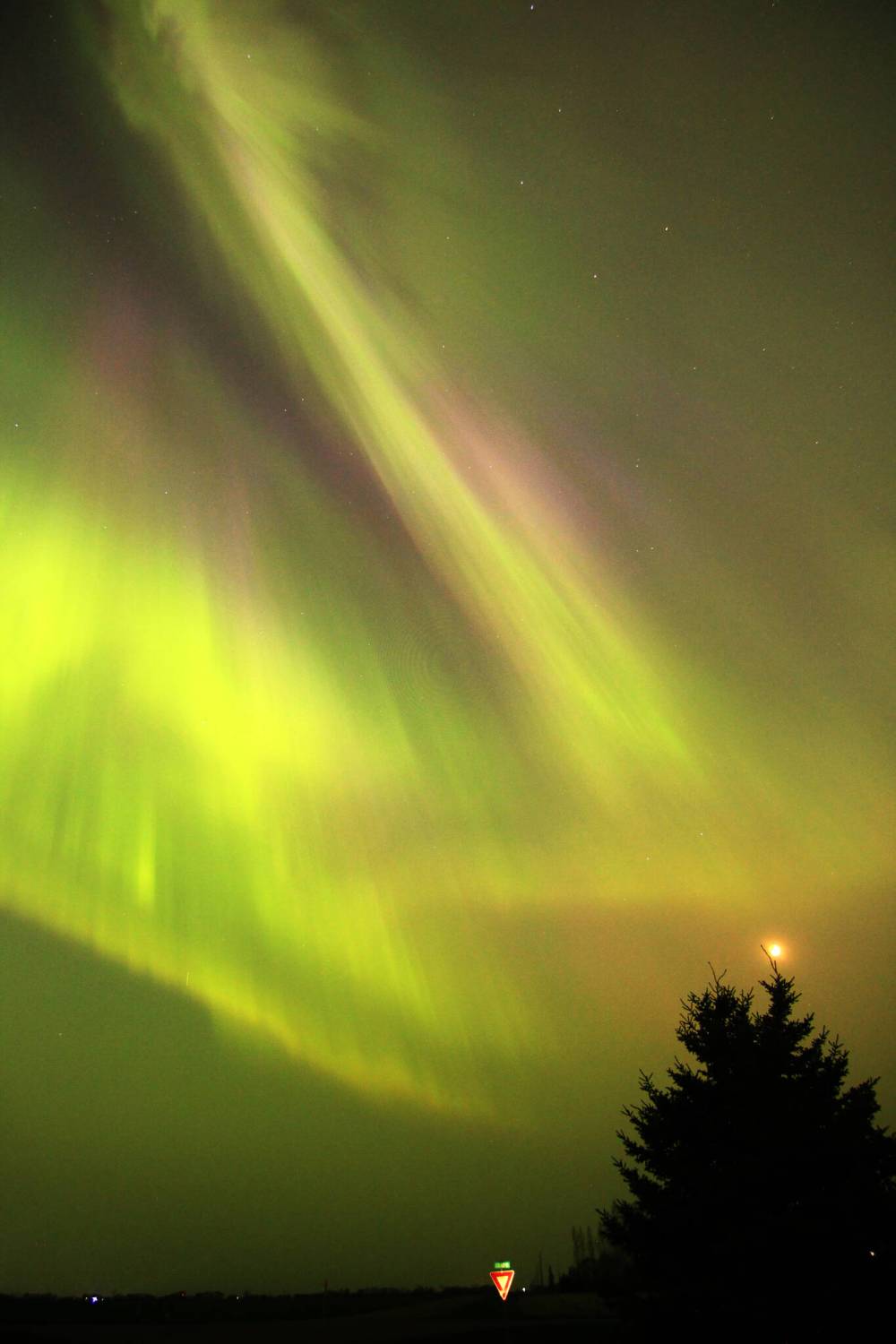
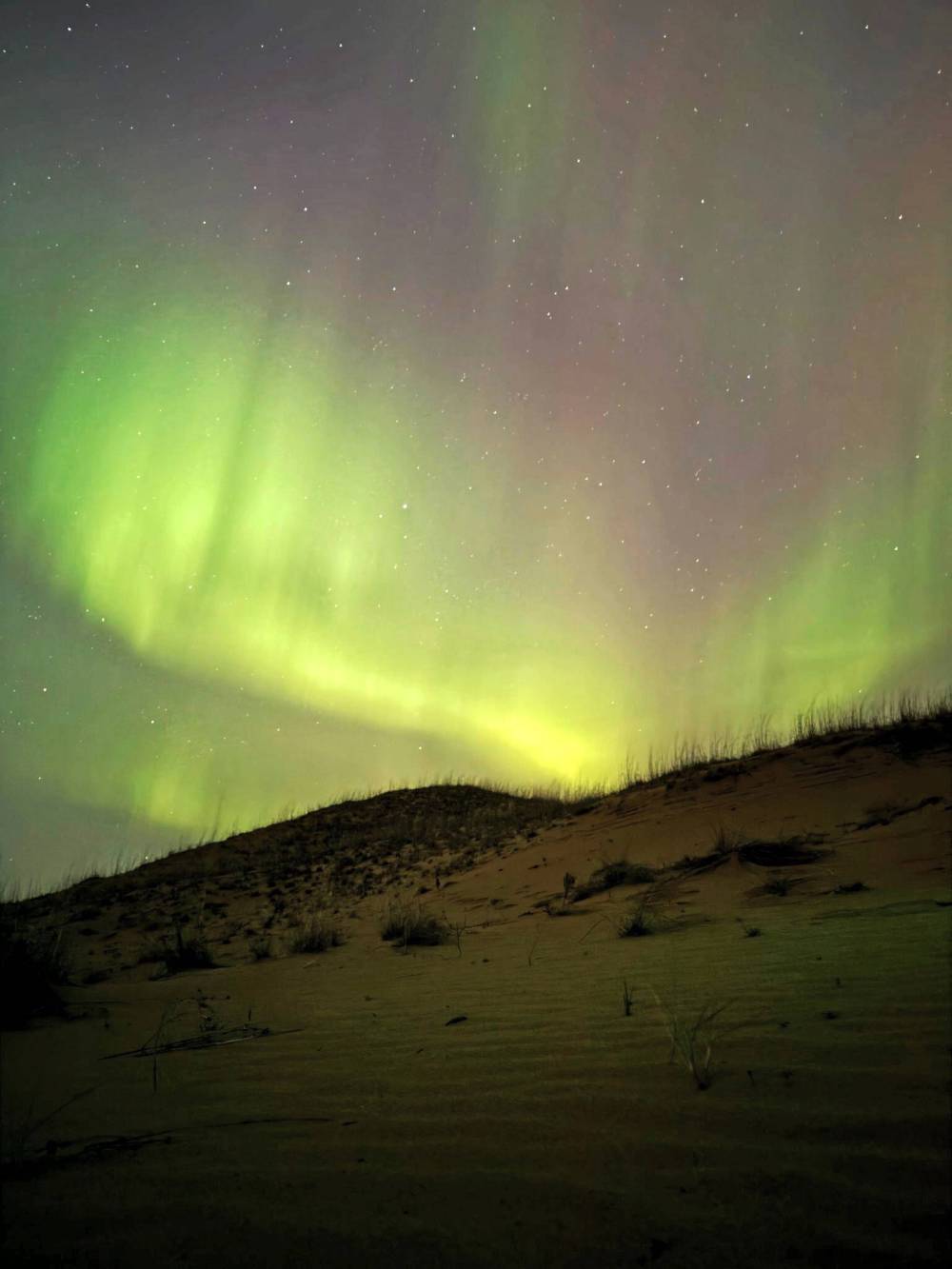
The bright pinks, purples, and greens of the northern lights lit up the night sky across the world over the weekend of May 10, 11 and 12 thanks to a massive geomagnetic storm.
Jeremy Rand, an astronomy enthusiast from eastern Manitoba, had one of the best seats available for the show. Before he even realized that there would be a geomagnetic storm, he had booked a campsite at Spruce Woods Provincial Park for the weekend of May 11 and 12. In 2022 the park was recognized by the Royal Astronomical Society of Canada as the first dark-sky site in the province, meaning he would have a completely unobstructed view of the sky.
Rand regularly monitors space weather and aurora potential throughout the year. On May 4, he noticed something strange through his telescope — a large sunspot. Sunspot AR3664 “released a ton of huge solar flares,” according to Rand. He said that he could see the sunspot even without the telescope while he was wearing eclipse glasses he had form viewing the eclipse in April.
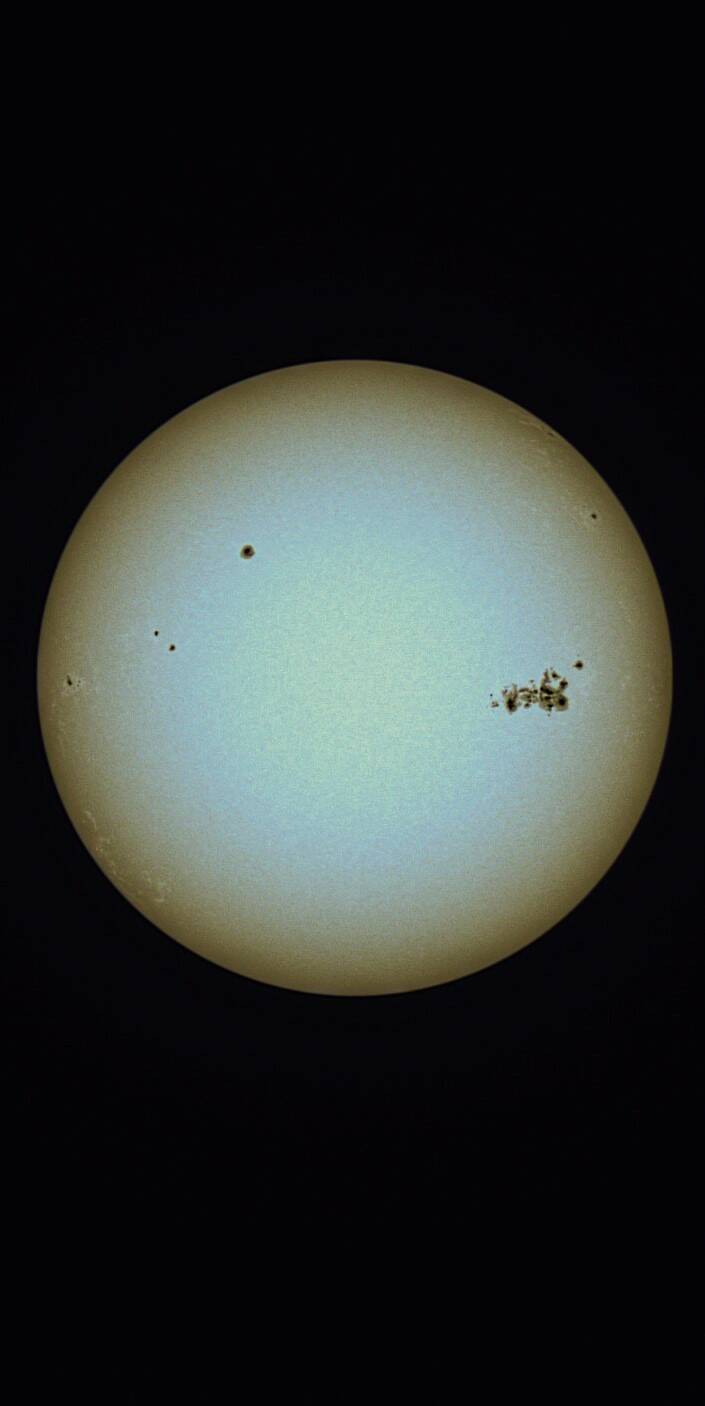
Coronal mass ejections were also being released by the sun in the following days. One of the solar flares was the largest of the current solar cycle as the sun reaches its solar maximum. The sun reaches its strongest at the end of its roughly 11-year solar cycle. Both coronal mass ejections and solar flares lead to auroras.
By May 8 the sunspot had grown considerably. Rand knew that the flares would create the perfect conditions for strong auroras.
Sure enough, on May 9 the National Oceanic and Atmospheric Administration Space Weather Prediction Center forecasted that a strong geomagnetic storm would hit Earth sometime that Friday or Saturday.
Patrick Johanneson is another Manitoban passionate about astronomy that spoke to the Sun about the weekend’s storm. Johanneson grew up in Sainte Rose du Lac, a small town where the night sky is perfectly dark for stargazing. He remembers seeing the northern lights in his youth “fairly vividly.” His interest in science fiction went hand in hand with his interest in space, hobbies that have stayed with him ever since.
He lives in Brandon now and travelled only about 15 minutes west to view these northern lights.
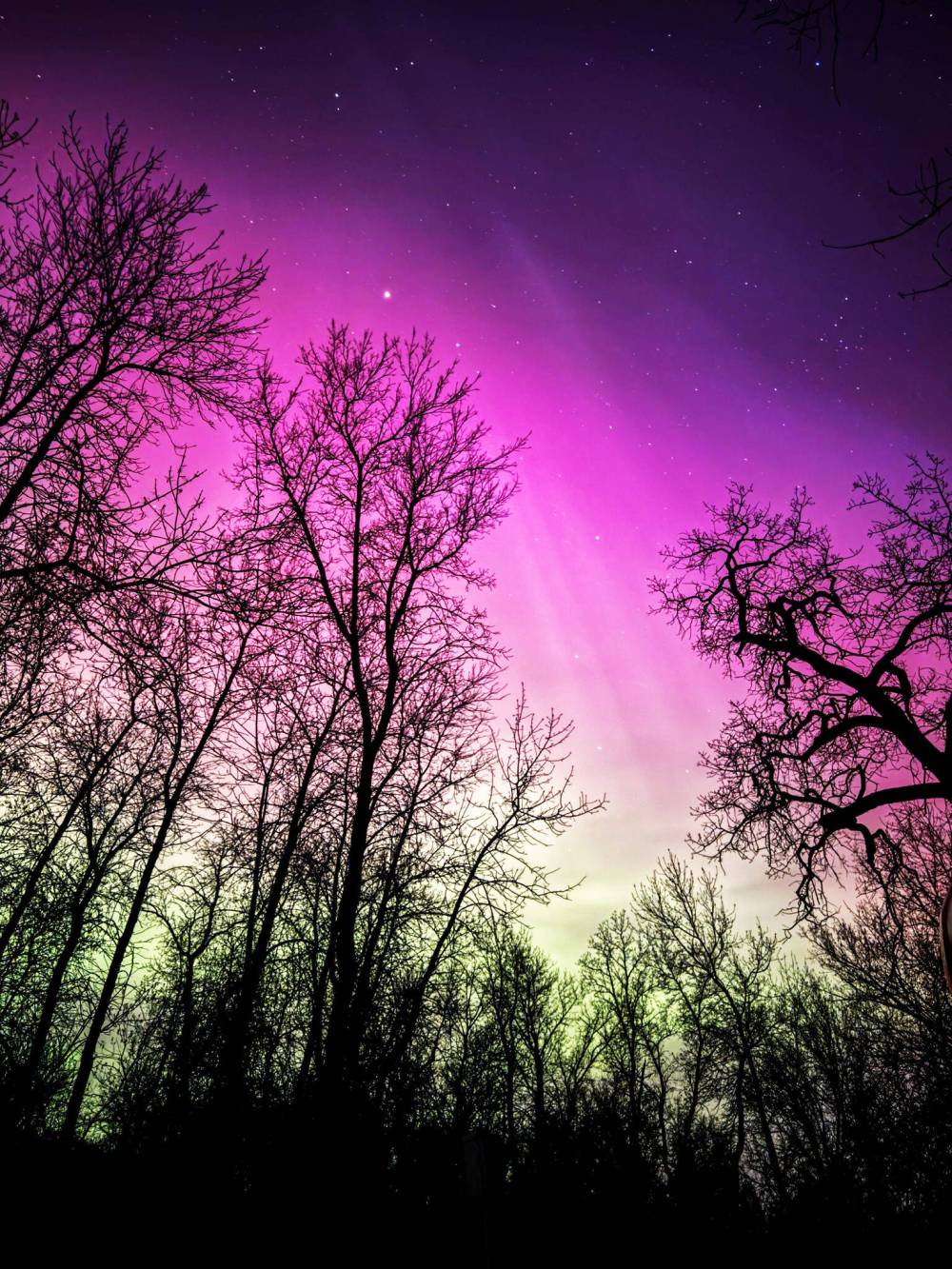
“It was one of the more intense shows I’ve seen,” Johanneson said.
The conditions of the storm were so powerful that people all over the world were able to see the lights. Every American state reported northern lights. Europe, India, and South America saw them, too.
The NOAA graded the storm as “extreme,” the first time it has done so since 2003. While the northern lights are the only visible trace of the storm, the NOAA has warned about potential effects on communications systems, power grids and satellites.
»cmcconkey@brandonsun.com