Killarney Guide presses on
Advertisement
Read this article for free:
or
Already have an account? Log in here »
We need your support!
Local journalism needs your support!
As we navigate through unprecedented times, our journalists are working harder than ever to bring you the latest local updates to keep you safe and informed.
Now, more than ever, we need your support.
Starting at $15.99 plus taxes every four weeks you can access your Brandon Sun online and full access to all content as it appears on our website.
Subscribe Nowor call circulation directly at (204) 727-0527.
Your pledge helps to ensure we provide the news that matters most to your community!
To continue reading, please subscribe:
Add Brandon Sun access to your Free Press subscription for only an additional
$1 for the first 4 weeks*
- Enjoy unlimited reading on brandonsun.com
- Read the Brandon Sun E-Edition, our digital replica newspaper
*Your next Free Press subscription payment will increase by $1.00 and you will be charged $20.95 plus GST for four weeks. After four weeks, your payment will increase to $24.95 plus GST every four weeks.
Read unlimited articles for free today:
or
Already have an account? Log in here »
Hey there, time traveller!
This article was published 06/02/2025 (611 days ago), so information in it may no longer be current.
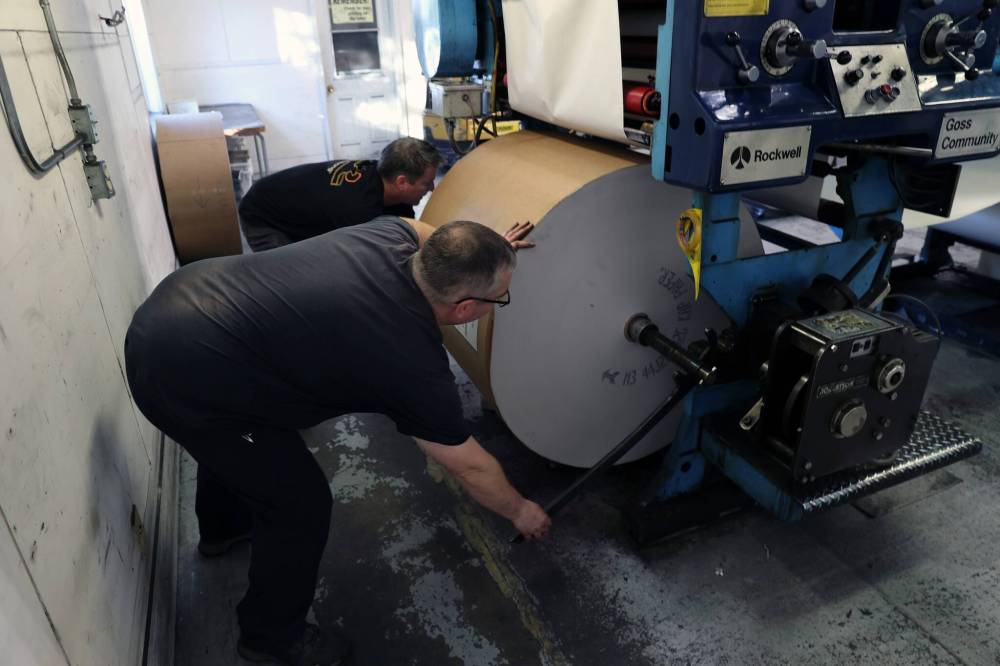
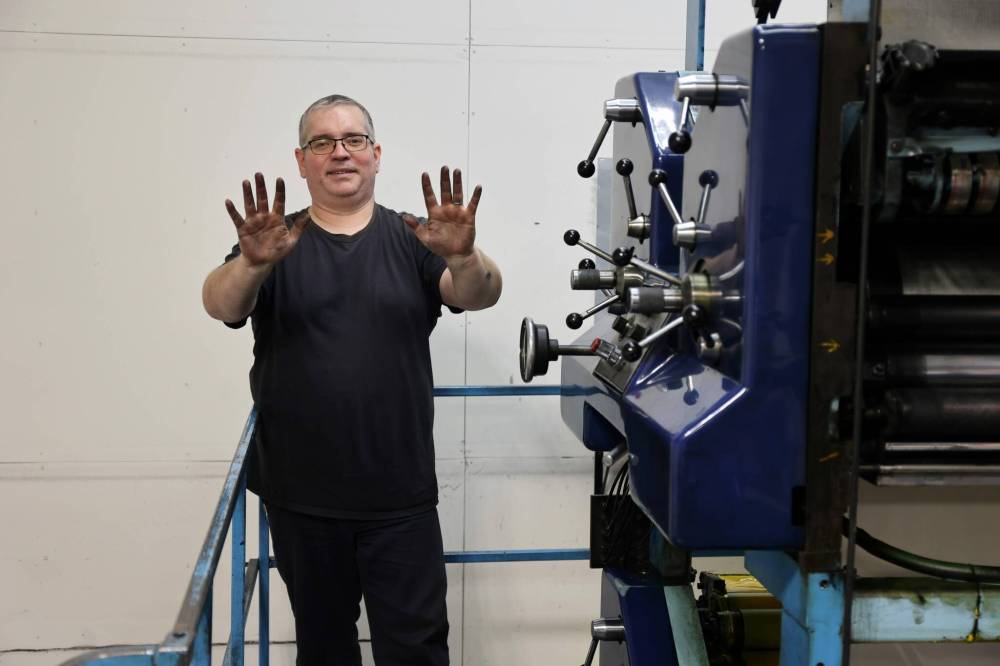
KILLARNEY – Curt Struth’s palms are covered in ink as he pushes a 900-pound roll of newspaper. Struth lifts the paper into a printing press with the help of his brother, measures a straight line across, and steps away.
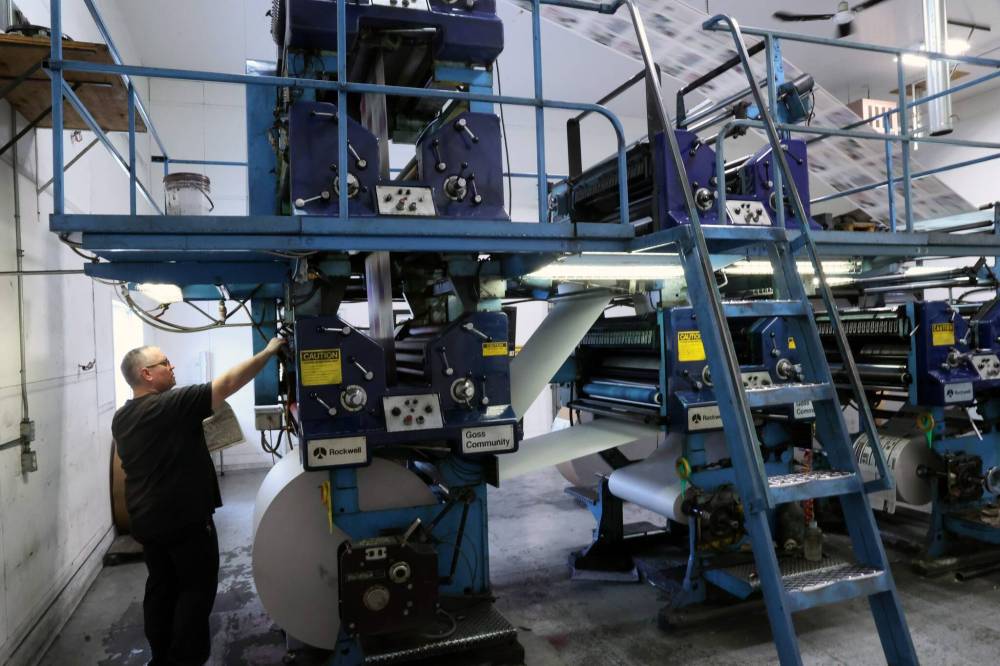
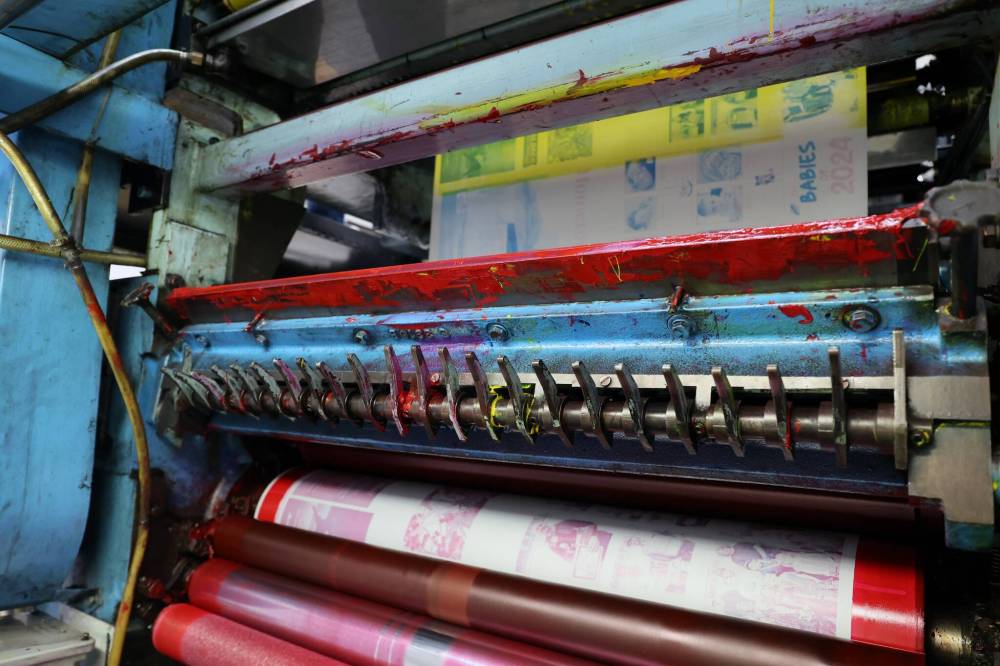
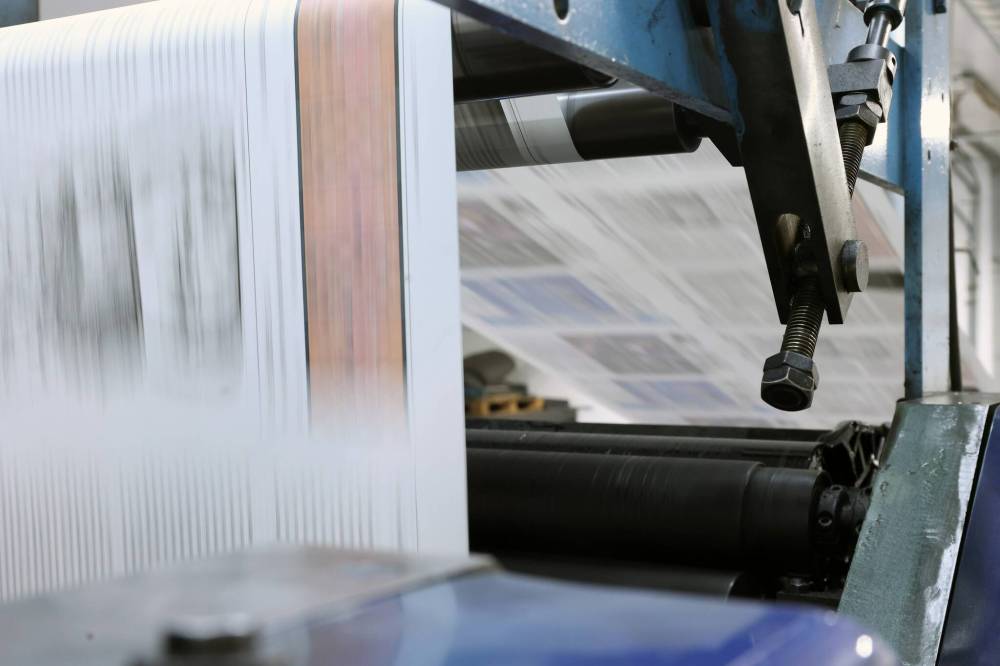
The printing press is restocked at the Killarney Guide. In a few minutes, the bell will sound and the machines will turn on, fanning Brandon University’s student newspaper, The Quill, through loops of magenta, black, cyan and yellow. The newspaper will exit at the other side of the room, cut and folded neatly into a finished product coming down a conveyor belt.
The Quill is one of 17 titles that print in the town of Killarney, about 75 kilometres southwest of Brandon. The student newspaper is shipped up to Brandon, and staff at the Guide start on the next newspaper, which may be Virden, Rivers, Neepawa, Boissevain, Shoal Lake or Erickson.
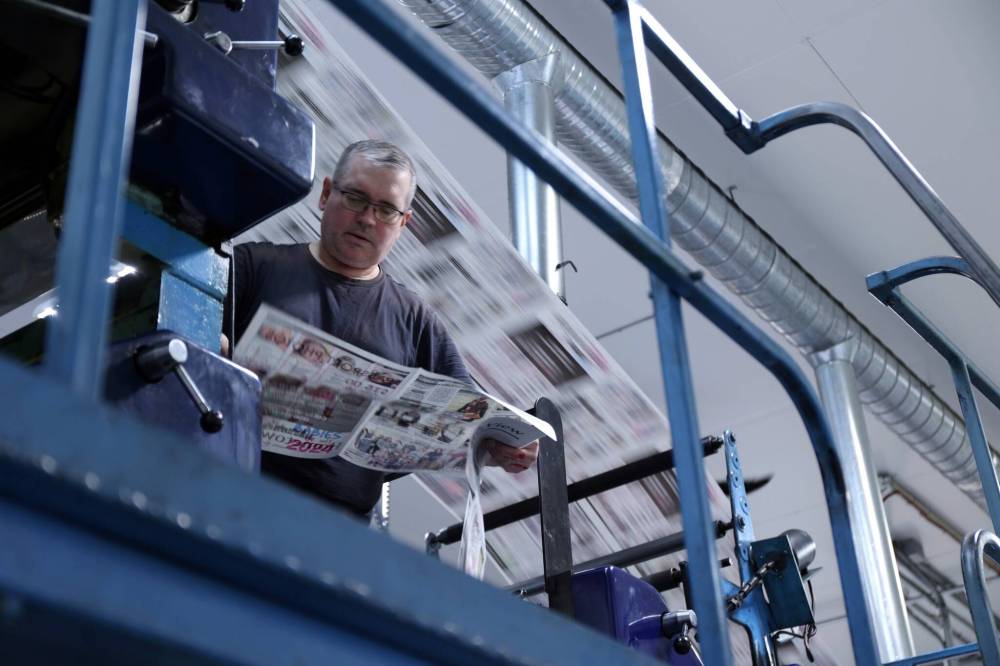
Printing presses are aging as the world moves towards digital publishing. Struth says he witnessed a local press shut down recently, and that the (once groundbreaking) machinery was made into to scrap metal.
While the world turns away from printing presses, the art lives on through staff at the Killarney Guide. In an interview with the Sun in January, several pressmen reflected on their careers in the industry and provided a glimpse of what it looks like to work at a printing press.
Shayne Tweed, a press assistant and commercial printer at the Killarney Guide, started 40 years ago. The industry took him to Morden, to Winnipeg, and back to Killarney, where it all started.
“My uncle used to work at the old Killarney Guide and I used to go and watch him,” said Tweed. “It just seemed interesting,” he said, referring to the days when he was young, and the newspaper industry was booming.
“I didn’t work there, I just used to hang out there when I was little.”
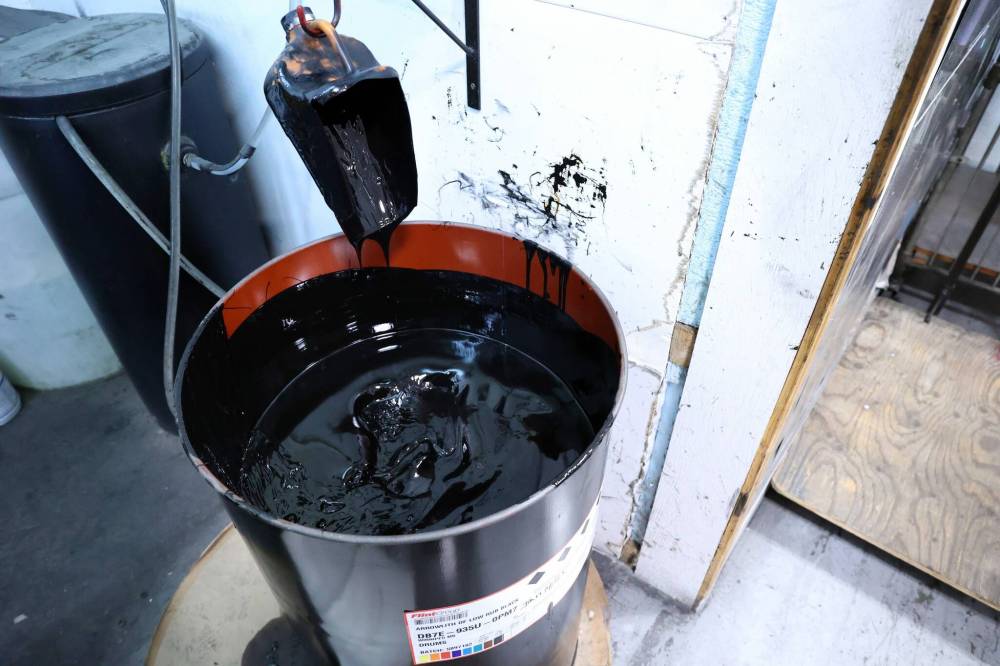
In front of a spinning, rocking machine built by Germans in the 1940s, Tweed said he’s seen things change over the years. He points to a cupboard full of wood blocks, and explains how they are used to prop up a piece on the machine so it hits paper in the right spot.
In the next room over, a machine half the size of a pickleball court burns impressions on printing plates using lasers.
Technology has evolved, but there’s still use for the tried and true. To this day, Tweed uses the 1940s-era Heidelberg Windmill Letterpress to make items like “Do Not Disturb” signs that hang on doors in hotels. He lifts up a raffle ticket that he made on the machine, and turns the letterpress on, grabs a lever and causes an arm to spin up like a windmill.
The purpose was to move a piece of paper from one side of the machine to the other, he explains.
When asked why he took to the printing and publishing world, Tweed said it just represented so much potential.
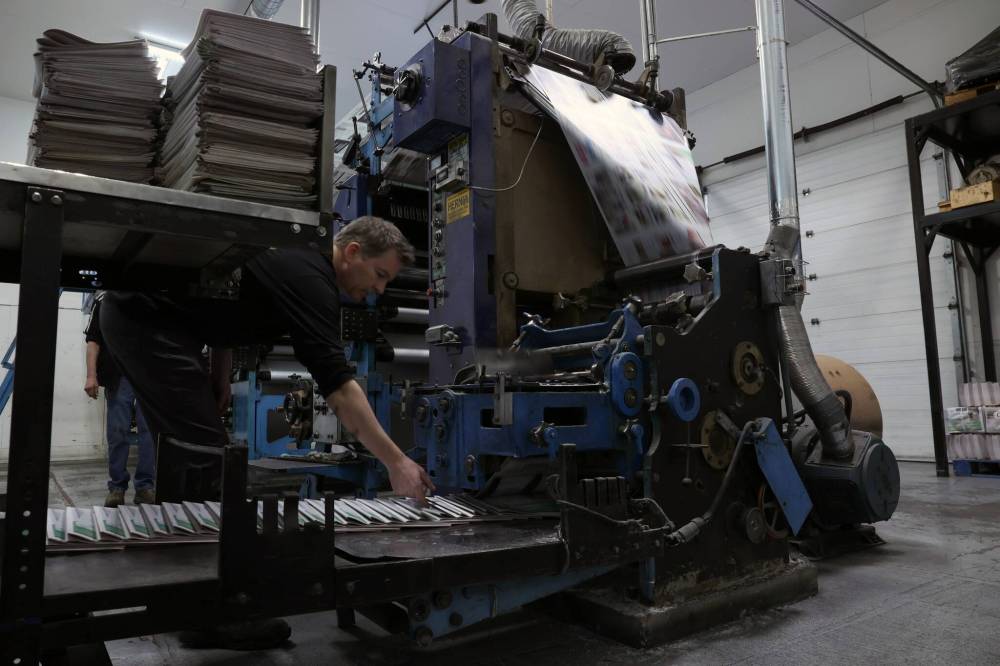
“Just knowing that from ink and paper and a plate, you can make something substantial like a brochure, it just intrigued me.”
In a warehouse with museum-like machines, he climbs over a few things and reaches to a top shelf, pulls open a box and reveals a scorecard for the local golf course. He emphasizes the crease in the card which had to be made using old technology.
With the radio on, Tweed goes back to work.
The Killarney Guide is a family business, purchased by Jay and Curt’s parents in the ‘80s. The brothers both went off to school before returning to the business, and now they continue the story that began with their father.
“He started by sweeping floors in the old Killarney Guide,” said Jay. “He basically started in the business when he was 15 or 16. Now he’s (in his 70s.)”
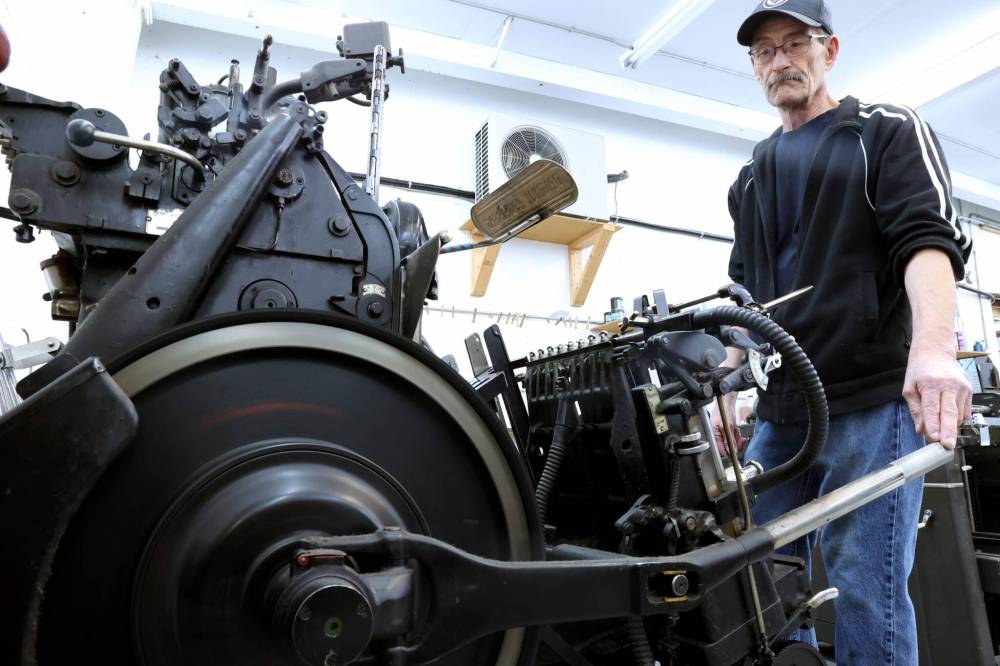
The building has since moved locations, and their father has stepped away from day-to-day activities. And as the generations move, Jay said he’s taken over office work, while Curt focuses on running the machinery.
“I started running this press, I’m going to say in 2008,” Struth said in January. He added that work has picked up in recent history: “We’re busier than we have been in 10 years.”
When asked how he got into the printing press work, Curt described that to keep the company going they had to learn the skills themselves. Students today aren’t typically investing in a career in industrial printing presses, he said.
“Dad called me and said there’s an opportunity here if you want it,” said Curt. He added he was making about $6.25 per hour at his job at the time, in IT.
Coming back to the business, he brought those skills with him during a time when the industry was transitioning to digital. Jay told the Sun it was good timing as the company switched page layouts to be done in computer programs.
Years have passed since the brothers went to school in Winnipeg and returned to take up the business. They say their mother still gets involved from time to time, but their father stepped away and is enjoying retirement.
While technology may have changed, and the generations carried on, some things don’t change. The printing press is built to last millions of impressions, Curt said, and local newspapers still want to be printed.
In the next 10 weeks, he says their warehouse with dozens of rolls of 900-pound newspaper will empty. Each will be manually loaded into the press, and they’ll start the cycle again.
» cmcdowell@brandonsun.com