Debate ensures over proposed hunting season
Advertisement
Read this article for free:
or
Already have an account? Log in here »
We need your support!
Local journalism needs your support!
As we navigate through unprecedented times, our journalists are working harder than ever to bring you the latest local updates to keep you safe and informed.
Now, more than ever, we need your support.
Starting at $15.99 plus taxes every four weeks you can access your Brandon Sun online and full access to all content as it appears on our website.
Subscribe Nowor call circulation directly at (204) 727-0527.
Your pledge helps to ensure we provide the news that matters most to your community!
To continue reading, please subscribe:
Add Brandon Sun access to your Free Press subscription for only an additional
$1 for the first 4 weeks*
- Enjoy unlimited reading on brandonsun.com
- Read the Brandon Sun E-Edition, our digital replica newspaper
*Your next Free Press subscription payment will increase by $1.00 and you will be charged $20.95 plus GST for four weeks. After four weeks, your payment will increase to $24.95 plus GST every four weeks.
Read unlimited articles for free today:
or
Already have an account? Log in here »
A group of wildlife experts is trying to stop the federal government from opening up a new hunting season in Manitoba, but other hunters and wildlife experts welcome the plan.
The group of six retired biologists, conservation educators and hunters came forward in February and called on the public to contact politicians and voice opposition to a proposed new hunting plan. Tim Muir, one of the members, told the Sun that the hunting season is being floated without proper reasoning.
“It seems to be the feds sort of think: if you’ve got a sustainable population of birds, and the Americans are shooting them, so should we?” he said. “We don’t think that’s justification.”
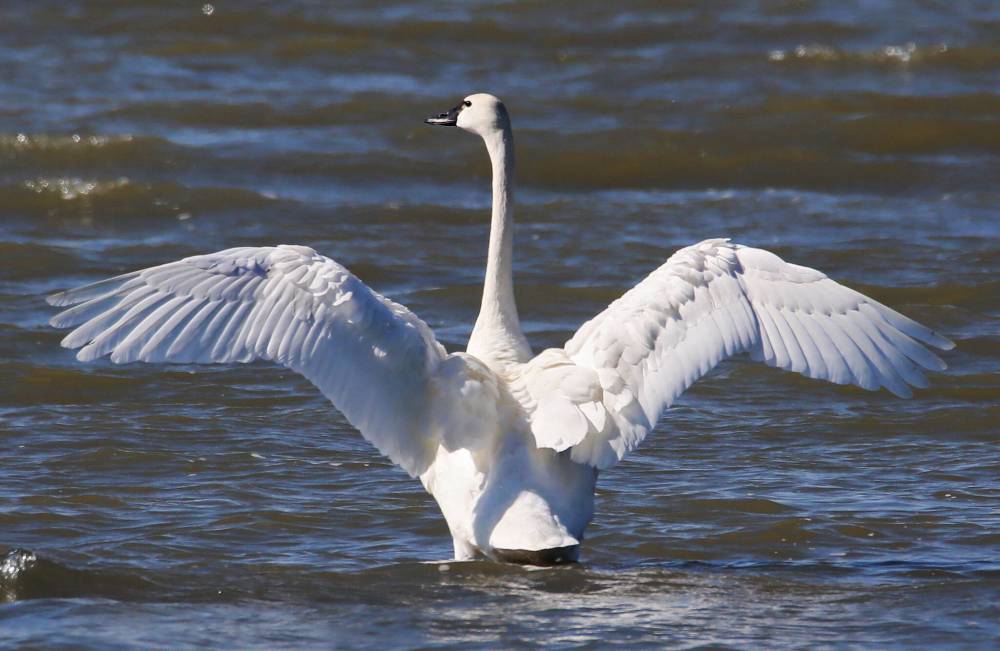
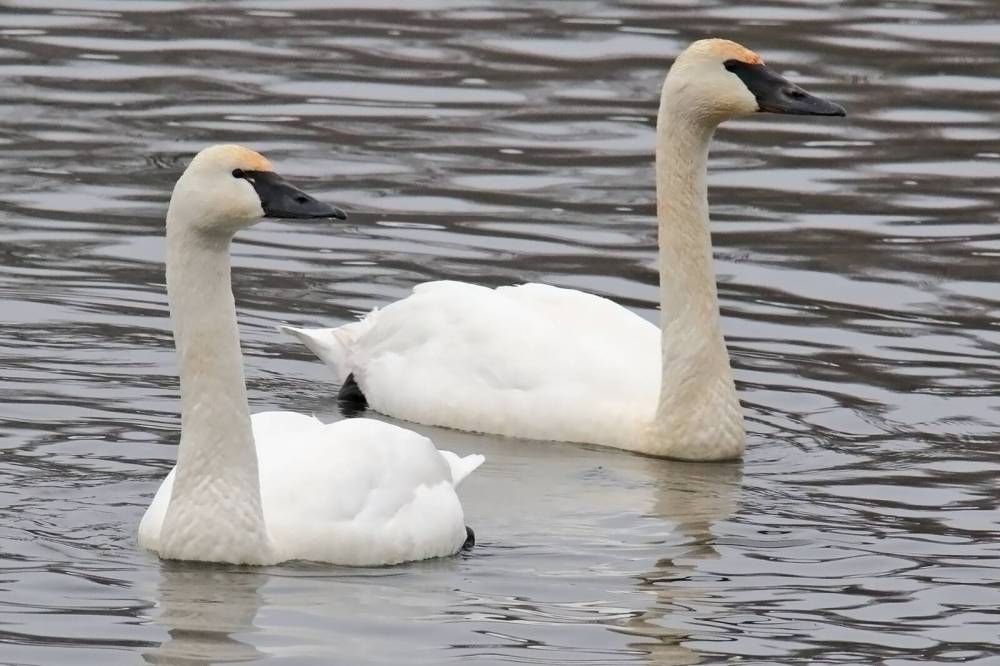
The big problem, he said, is that hunters may accidentally kill the wrong birds during this new season, he said. The federal government is proposing to open a season for one type of swan, which looks almost identical to another that is protected, and the two may be found sharing space during migration.
“The most egregious part of this is that, if we do have a season on tundra swans, we’re fearful that the small number of trumpeter swans that we have nesting in various parts of southern Manitoba will mix into the population and be accidentally shot.”
Murray Gillespie, a member of the group and a retired provincial wildlife biologist, said it’s reasonable to think that mistakes will be made. Conditions during a hunt will exacerbate confusion between the two swans, he said in a press release in February.
“In real hunting conditions — lots of birds overhead, shifting daylight, split-second decisions — most hunters will not be able to reliably distinguish tundra’s from trumpeters. And this is at a time when trumpeters have just begun to populate southern Manitoba again. We don’t want to lose any of them,” Gillespie said.
But that argument is missing key detail said Paul Conchatre, a hunter who owns Birtail Waterfowl, a guided hunting service in Manitoba. Conchatre said hunters are constantly distinguishing between small details.
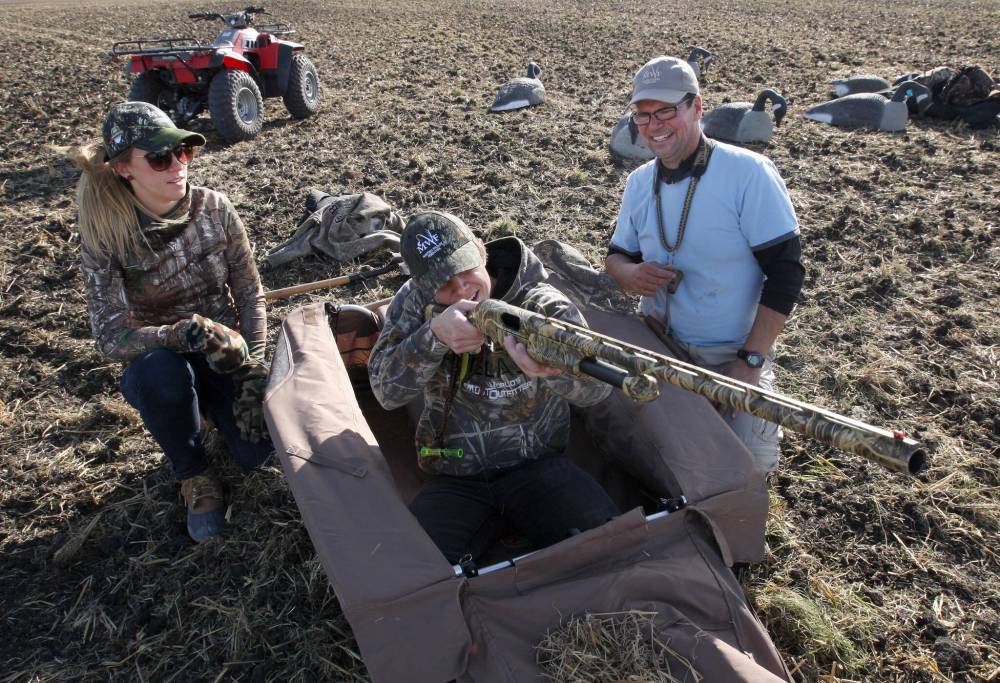
“The whole fundamental, of being sure of your target, is part of the hunting culture,” Conchatre said. “Being concerned about differentiation between the two species of swans is 100 per cent true, but we are conditioned to doing that anyways.”
Conchatre said hunters already practice a keen eye for detail in differentiating the size of antlers, the sex of animals, and the sub-species of animals in hunts. Distinctions are cooked into hunting, he said, and it does not make sense to imagine that hunters would get sloppy in the case of the two swans.
“Yeah, they are hard to differentiate between. But as ethical hunters, it’s our due diligence to hunt that way,” Conchatre told the Sun. “You’re almost coming up with an idea that we don’t already do this.
“You don’t shoot if you’re unsure. That’s like hunter education at 10 or 12 years old. That’s what you’re taught.”
Rob Olson, a former senior science advisor for the Manitoba Wildlife Federation, agreed and said the trumpeter swan and the tundra swan can be differentiated easily by their starkly different calls — a trumpet blast versus a wavering call that resembles the sound of an ambulance. The birds may look similar, but they don’t sound anything alike, he said.

“The tundra swan call and the trumpeter calls are so different, and they’re the most vocal of the waterfowl species, so they’re calling all the time,” Olson said. “You can hear them calling all over the marsh.”
The group’s push to block the proposed hunting season failed to communicate these important details, he said.
“They missed all that in the coverage,” he said. “I saw the media coverage of the other folks, and I just couldn’t disagree more with just about every single thing they said.”
The proposed new hunting season for tundra swan also comes at a key time when hunting opportunities are in decline in Manitoba, Olson said. Big game options are limited like never before, he said, with local moose hunting grounds being restricted, and opportunities to hunt caribou being restricted and elk populations stressed in the north.
“This next generation, we’re not giving them the same opportunities that we had as young people with big game,” Olson said. “When I look at all these kids that we mentor, I think, ‘What is there for them to continue to hunt in the future?’ And to me, it’s going to centre on birds.”
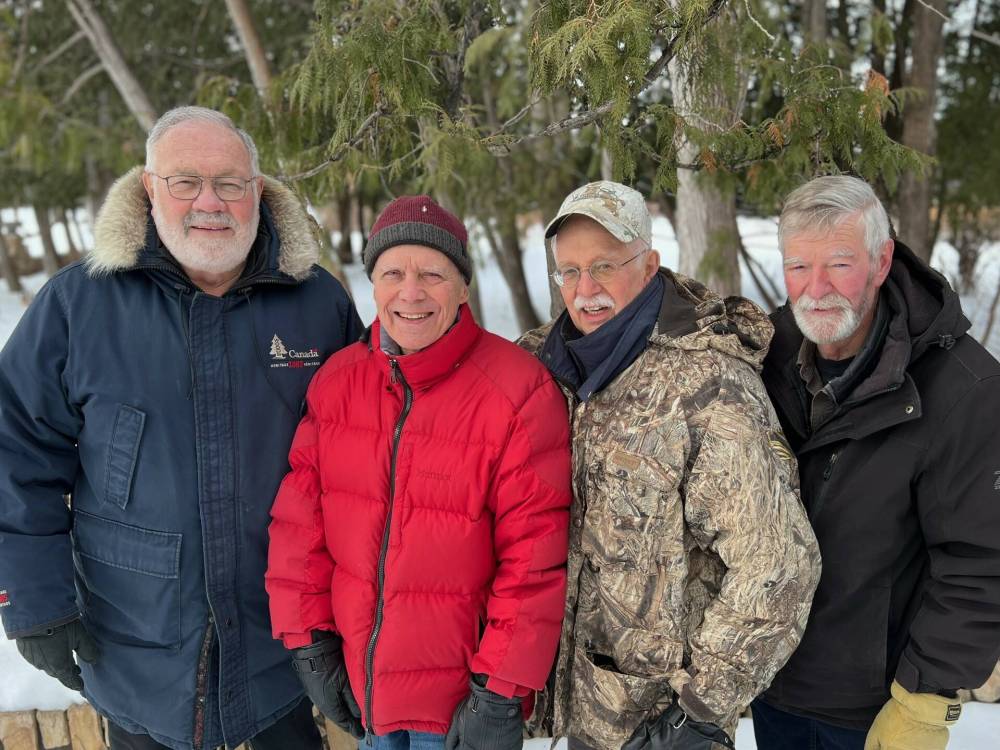
Tundra swan hunting grounds are accessible, he said, as they can be found near to Winnipeg and Brandon, and the swans are abundant and make for great meat once they are cooked, he said.
Olson stressed that the proposed 400 licenses for tundra swans would not add extra pressure on the population; it would be a reallocation from the United States where the 400 licenses are already available.
The federal government’s proposal for the new swan season is to make an amendment to the Canadian Migratory Birds Regulations that would allow permits for 400 tundra swans in Manitoba in the fall of 2028. The proposal states that 148 swans are projected to be harvested, due to an average success rate of 37 per cent on such hunts.
The concerns about accidental killing of trumpeter swans during the hunting season have been heard, according to the federal government’s proposal. The government cited, in response, studies that suggest the bird’s population has been growing at a high rate, even though they’ve been migrating through two states that have hunting seasons for tundra swans.
It also wrote that accidental kill rate has been consistently below two per cent of the total swan harvest in the states of South Dakota and Montana, but noted the data may be skewed by potential biases due to the source of data being anonymous cards in which hunters would be self reporting that they shot the wrong swan.
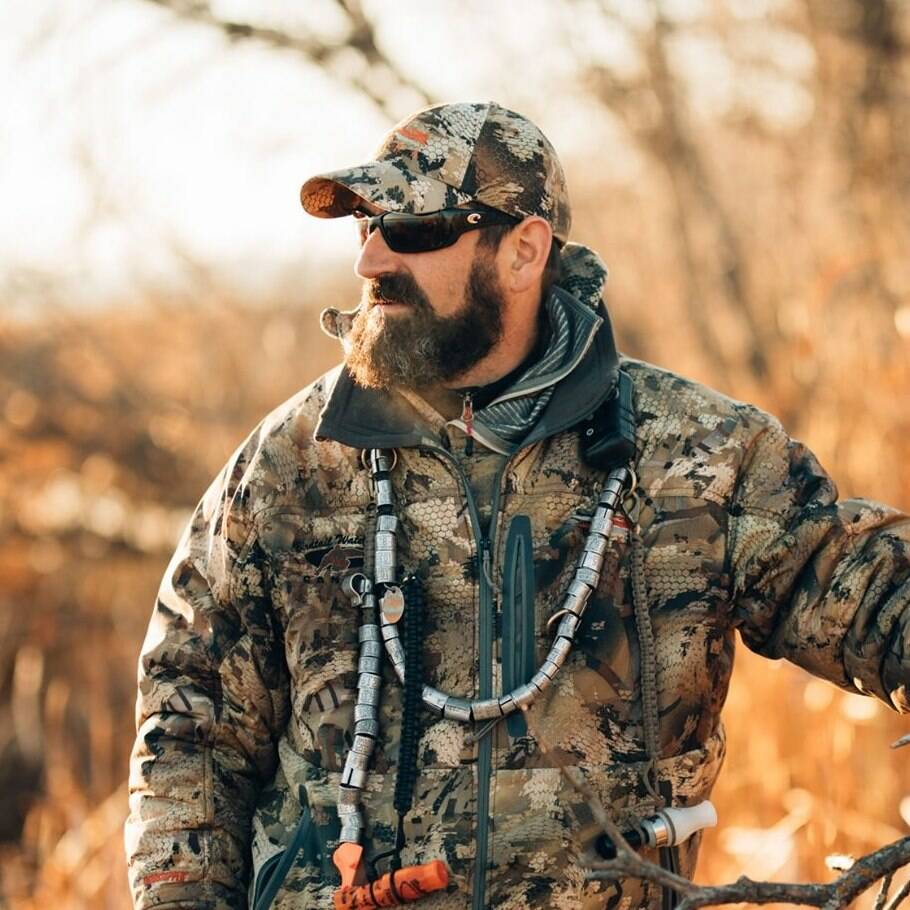
Muir said the opposition to a new hunting season is not a dig at hunting, but about love for wildlife. He said the group wants more people to get out and hunt with the available resources, but the expansion to tundra swan huning doesn’t make sense.
Muir worked two decades in wildlife education at the Manitoba Natural Resources Wildlife Branch beginning in 1975.
» cmcdowell@brandonsun.com